
Expert Park Slope Brownstone Renovation in Brooklyn, NY
Melani General Contractor handles Park Slope brownstone renovation with skilled tradesmen and a strict respect for original architectural detail. Our team manages structural, mechanical, and finish work end to end. Call (718) 283-4154 today to discuss your project.
Comprehensive Renovation Services for Pre-War Brooklyn Rowhouses
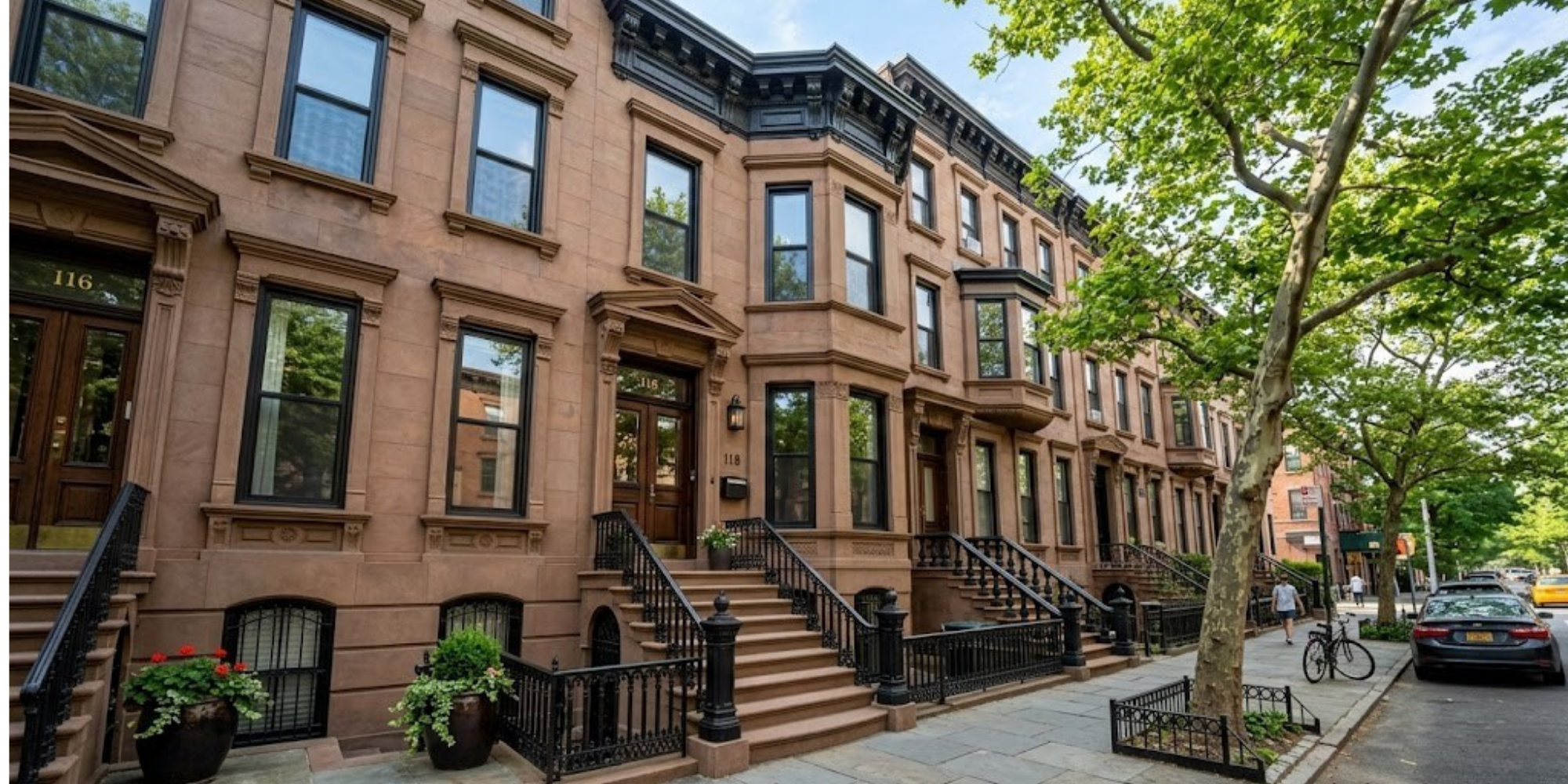
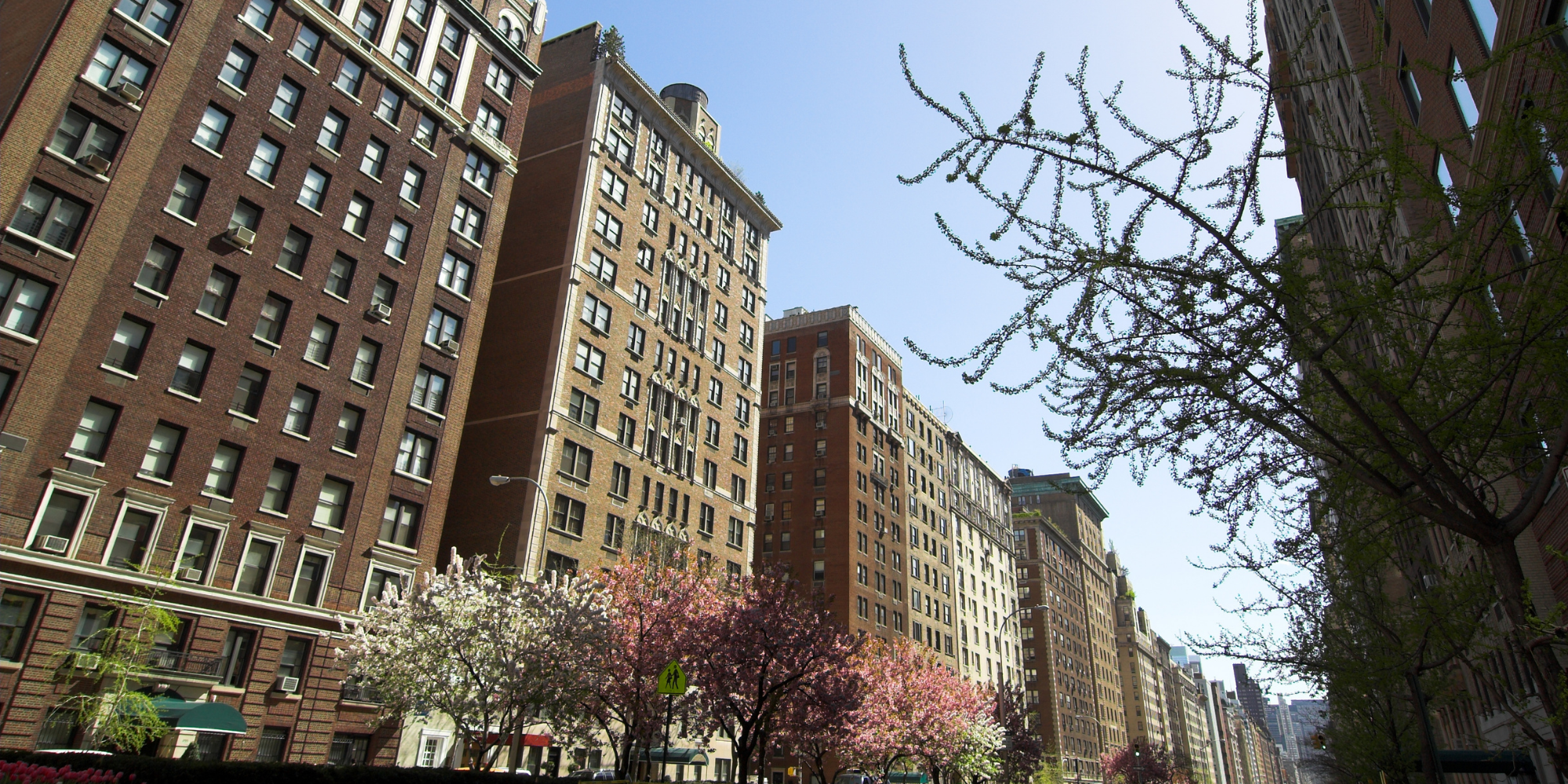
Melani General Contractor delivers a full slate of construction disciplines for owners of historic rowhouses and period homes throughout the area. Most properties in the immediate vicinity date to the 1880s through 1900s, with the surrounding historic district landmarked by the New York City Landmarks Preservation Commission in 1973.
Here is the complete range of disciplines we cover for property owners in the area:






Why Choose Melani General Contractor?
Selecting a contractor for landmarked rowhouse work requires verifying experience, licensure, and respect for original architectural detail. Our firm has built a portfolio of completed brownstone projects across this historic Brooklyn enclave. We pair structural rigor with the finish quality that discerning homeowners expect.
Here is what sets our team apart:
Neighborhoods We Serve
Our crews cover the full breadth of this brownstone enclave, from the streets closest to Prospect Park to the western blocks near Fourth Avenue. Many homes along the most desirable blocks date to the post-Civil War building boom, with original cast iron plumbing stacks and knob-and-tube wiring still concealed behind plaster walls. Whether a project sits within the landmarked core or just outside it, our team adapts to the specific filing requirements of each property.
Here is the entire neighborhood we cover, including the following blocks and sub-sections:

Berkeley Place
Carroll Street
Garfield Place
Lincoln Place
Montgomery Place
President Street
Prospect Park West
St. John’s Place
Sterling Place
Union Street
Schedule Your Park Slope Brownstone Renovation Today
Our team brings discipline, careful planning, and a deep familiarity with pre-war construction methods to every project. Homeowners across the neighborhood rely on Melani General Contractor for sensitive work on irreplaceable architectural details. We deliver finished projects that respect the historic character of every property we restore.
Contact Melani General Contractor to discuss the scope, budget, and timeline for your renovation. Reach our office at (718) 283-4154 to start the conversation.
Frequently Asked Questions
Our crews work across the entire enclave, from the streets nearest Prospect Park to the western blocks near Fourth Avenue. We also accept projects in adjacent historic districts including Boerum Hill, Carroll Gardens, and Cobble Hill upon request.
Any exterior alteration visible from the public way requires a Certificate of Appropriateness from the New York City Landmarks Preservation Commission, in addition to standard Department of Buildings filings. Review for minor work generally takes several weeks, while substantial alterations within the Park Slope Historic District can require several months of LPC processing.
Most interior work affecting plumbing, electrical, structural elements, or layout requires a permit through the New York City Department of Buildings, even when the change is not visible from outside. Cosmetic refinishing such as repainting or basic flooring replacement typically does not require filed permits.
Freeze-thaw cycles during winter combine with summer humidity to cause spalling and erosion on the soft sandstone fronts that define the neighborhood’s architecture. Routine repointing, brownstone patching, and proper drainage at the cornice and stoop level significantly extend the lifespan of the masonry.
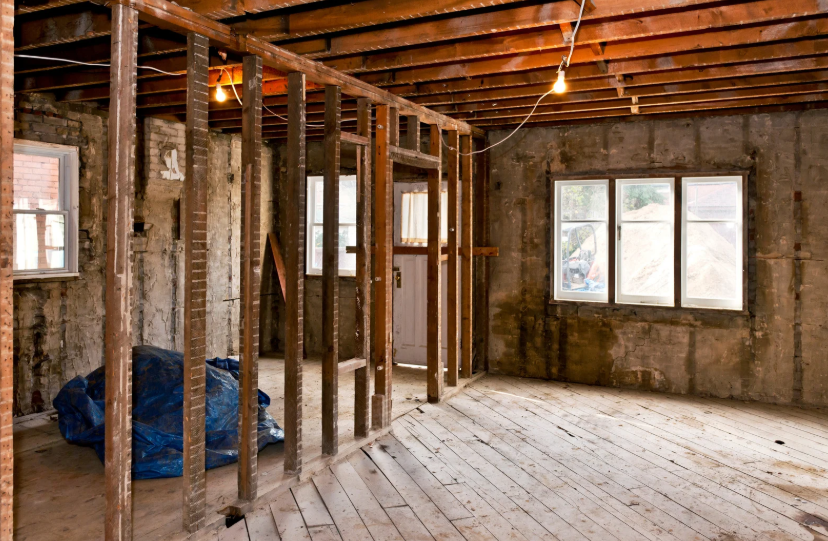
Original cast iron drain stacks, knob-and-tube wiring, lead solder in supply lines, and settled rear extensions are the four issues we encounter most often during gut renovations. Plaster medallions, parquet floors, and pocket doors usually remain in salvageable condition with the proper restoration approach.
Pricing depends on scope, finish level, structural complexity, and any LPC requirements that apply to exterior elements. We provide a detailed written estimate after a site visit and consultation, with timelines built around block parking constraints, neighbor notifications, and co-op or condo board approvals where applicable.