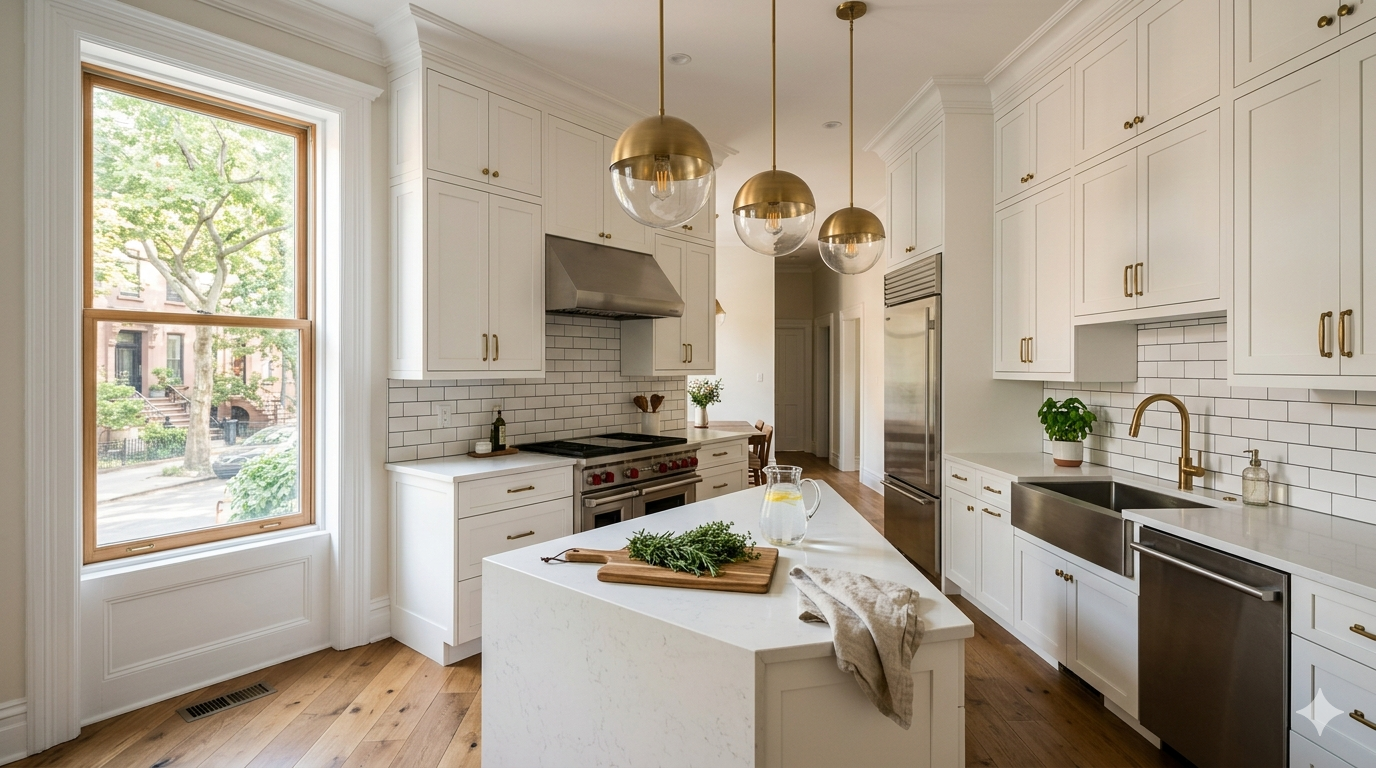

Do You Need a Permit to Renovate in NYC? What Homeowners Need to Know
One of the most common questions property owners ask before starting a renovation in New York City is whether their project requires a permit. The answer determines how long the project takes before a single wall comes down, how much the pre-construction process costs, and what legal and financial exposure the property carries if work is done without the correct approvals.
New York City’s permitting requirements are more extensive than most other markets. The general rule from the NYC Department of Buildings is that most construction, plumbing, electrical, and structural work requires a permit.
The exceptions are narrower than many homeowners expect. This guide explains exactly which work requires a permit, which permit type applies, what the process looks like in practice, and what happens when owners skip the step.
The DOB’s General Rule
The NYC Department of Buildings requires a permit for any work that affects a building’s structural integrity, mechanical systems, or occupancy. This covers construction, demolition, plumbing modifications, electrical work, and alterations to building systems. The DOB’s stated position is that most construction work in New York City requires approval and permits before work begins.
The two questions that determine whether a permit is required are: Does the work affect plumbing, electrical, gas lines, structural elements, or the building’s use and occupancy? And does the work open walls, floors, or ceilings to alter what is behind them? If the answer to either question is yes, a permit is almost certainly required.
A licensed contractor or registered architect can evaluate a specific scope and advise on the precise permit requirements. For any ambiguous project, the practical default is to assume a permit is needed and verify the exceptions rather than assume no permit is needed and discover otherwise during construction or at the point of sale.
Work That Does Not Require a DOB Permit
The DOB recognizes a defined category of cosmetic and surface-level work that does not require a permit. These exceptions are meaningful but limited. Work that does not require a permit includes:
- Painting interior walls, ceilings, and trim.
- Wallpapering and similar surface treatments.
- Refinishing existing hardwood floors (sanding and recoating existing floors in place).
- Replacing kitchen cabinets without moving or altering plumbing or electrical lines.
- Replacing countertops and backsplash tile without altering plumbing rough-in.
- Swapping kitchen or bathroom appliances and fixtures for like-for-like replacements in the same location.
- Installing new lighting fixtures on existing circuits without adding new circuits or outlets.
- Minor plastering and patching.
Two important qualifications apply to all of the above. First, even no-permit work requires that the contractor hold a valid NYC Home Improvement Contractor (HIC) license issued by the Department of Consumer and Worker Protection. Second, some co-op and condo buildings have house rules that require board review or approval even for work the DOB does not require a permit for. Always check your building’s alteration agreement before assuming no approvals are needed.
Work That Requires a DOB Permit
Most renovation work that moves beyond cosmetic updates requires a DOB permit. The permit type depends on the scope and complexity of the work. NYC uses three alteration permit categories for residential renovation work.
ALT-2: The Most Common Permit for Home Renovations
ALT-2 (Alteration Type 2) is the permit type that covers most NYC home renovations. It applies to work that involves multiple building systems, such as plumbing, electrical, and structural changes, without changing the building’s occupancy, use, or egress configuration. A full kitchen remodel in NYC that involves new plumbing rough-in, electrical circuits, and structural changes requires an ALT-2 permit. So does a bathroom renovation in NYC with relocated plumbing, a full gut renovation in NYC, and the removal of any wall whether structural or non-structural.
ALT-2 filings require plans prepared and submitted by a Registered Architect (RA) or Professional Engineer (PE). The plans are reviewed by a DOB plan examiner, who may issue objections that must be resolved before the permit is approved. Alternatively, an architect may self-certify plans for qualifying scopes, which bypasses the plan examiner review and can reduce the approval timeline to same-day.
ALT-1: Major Changes to Use, Occupancy, or Egress
ALT-1 permits are required when a renovation changes a building’s legal use, occupancy classification, or egress configuration. Common ALT-1 projects include combining two apartments into one unit, converting a commercial space to residential use, adding a legal bedroom that changes the official apartment count, or adding an egress window to a basement. ALT-1 projects require a new or amended Certificate of Occupancy and are significantly more complex, time-consuming, and expensive to permit than ALT-2 projects.
ALT-3: Minor Single-Trade Alterations
ALT-3 permits cover minor work that does not affect multiple systems and does not change occupancy or use. Replacing windows in existing openings, exterior facade repairs, and similar single-trade work typically falls under ALT-3. These applications move faster through the DOB than ALT-2 filings and may not require full architectural drawings.
Separate Trade Permits
In addition to alteration permits, certain trade-specific work requires standalone permits filed independently. Electrical permits are required when adding 10 or more outlets or lighting devices, or when upgrading or replacing a circuit breaker panel as part of electrical services in NYC. These are filed by the licensed electrician and can often be approved the same day. Limited Alteration Application (LAA) plumbing permits are required when relocating plumbing fixtures, running new plumbing lines, or adding gas piping. LAA permits are filed by the licensed master plumber and typically take 4 to 8 weeks for approval.
Quick-Reference: Does My Project Need a Permit?
Use this table to identify whether your project requires a DOB permit and which type applies.
| Work Type | Permit Required? | Permit Type | Who Files |
| Painting, wallpapering | No | None | Licensed HIC contractor |
| Floor refinishing (sanding existing floors) | No | None | Licensed HIC contractor |
| Replacing plumbing fixtures in same location | No | None (OP-128 submission by plumber) | Licensed plumber |
| Swapping kitchen cabinets, countertops (no plumbing move) | No | None | Licensed HIC contractor |
| Installing new lighting (existing circuits) | No | None | Licensed HIC contractor |
| Adding 10+ electrical outlets or new circuits | Yes | Electrical permit | Licensed electrician |
| Panel upgrade or full rewiring | Yes | Electrical permit + ALT-2 | Licensed electrician + architect/PE |
| Relocating plumbing fixtures (sink, toilet, tub) | Yes | LAA plumbing or ALT-2 | Licensed plumber or architect |
| Kitchen gut remodel (plumbing/electrical changes) | Yes | ALT-2 | Registered architect or PE |
| Bathroom gut remodel (layout changes) | Yes | ALT-2 | Registered architect or PE |
| Removing any wall (structural or non-structural) | Yes | ALT-2 | Registered architect or PE |
| Full gut renovation | Yes | ALT-2 (multiple permits) | Registered architect or PE |
| Combining two apartments | Yes | ALT-1 | Registered architect or PE |
| Changing building use or occupancy | Yes | ALT-1 | Registered architect or PE |
| Minor single-trade work (window swap, facade repair) | Yes | ALT-3 | Licensed contractor or architect |
| Work in landmarked building (exterior changes) | Yes | ALT + LPC approval | Architect + LPC submission |
Note: This table reflects general guidelines. Specific permit requirements depend on building type, scope details, and building-specific rules. A licensed architect or experienced general contractor can confirm the precise requirements for your project.
The 2026 DOB Rule Change Co-op and Condo Owners Need to Know
As of January 26, 2026, the NYC Department of Buildings introduced a new co-op and condo board attestation requirement. Under this rule, when a permit application in DOB NOW identifies the applicant as a condo unit owner or co-op shareholder, the board is automatically added as a stakeholder on the filing. The board’s representative must provide written attestation confirming that the board has authorized the renovation before the DOB will process the permit application.
The practical implication for homeowners is significant: board approval is now a prerequisite for DOB filing, not a parallel process that can run simultaneously. If you have not yet secured your building board’s written authorization through the alteration agreement process, your architect’s DOB filing will be blocked until that authorization is documented in the system.
For co-op and condo renovations in NYC, this means the timeline for pre-construction approvals has effectively extended. Build in extra time for the board review and approval phase before your architect files. Boards typically take 2 to 6 weeks to review alteration agreement submissions; larger buildings with more complex review processes can take 8 to 12 weeks or longer.
How the NYC Permit Process Works
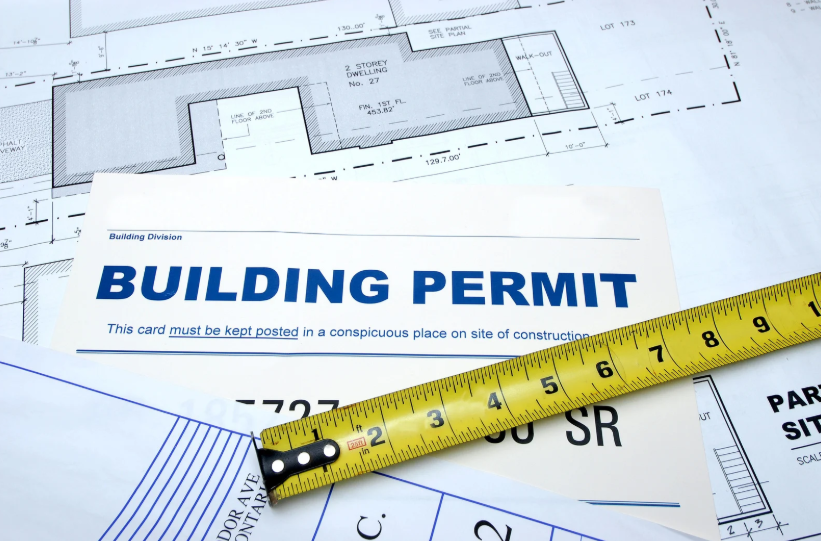
For permit-required renovation work, the process moves through the following stages. Understanding each stage helps set realistic expectations for the pre-construction timeline.
Step 1: Hire a Licensed Architect or PE
ALT-2 and ALT-1 permit applications require plans prepared by a Registered Architect or Professional Engineer. Your general contractor coordinates the architect engagement. For most residential renovation projects, architectural fees for the permit drawings run 8 to 15 percent of the construction budget. Some contractors have established relationships with architects they work with regularly, which streamlines this coordination.
Step 2: Prepare and Submit Plans Through DOB NOW
All NYC building permit applications are filed electronically through the DOB NOW: Build platform. The architect prepares the plans, resolves any coordination required with structural engineers or MEP engineers, and submits the application along with all required supporting documents. Homeowners and property owners cannot file permit applications directly for ALT-1 and ALT-2 work. The licensed professional of record must submit and take responsibility for the filing.
Step 3: Plan Review or Professional Certification
The DOB reviews the submitted application for compliance with building codes and zoning regulations. A plan examiner may issue objections, which the architect must address before the permit is approved. This review cycle can add weeks to the approval timeline.
For qualifying scopes, an architect may use professional certification, self-certifying that the plans comply with all applicable laws and bypassing the examiner review. Professional certification can reduce approval to same-day, but not all buildings, projects, or architects use this path.
Step 4: Inspections During Construction
Most permits require one or more DOB inspections at specified milestones during construction. Rough-in inspections for plumbing and electrical must be passed before walls are closed. Additional inspections may be required for structural work, concrete, or other specific scope elements. The contractor coordinates inspection scheduling and ensures the required work is ready for inspection at the appropriate point in the construction sequence.
Step 5: Final Sign-Off and Permit Close-Out
After all construction is complete and final inspections are passed, the architect files a sign-off with the DOB to officially close the permit. This is a step that is easy to overlook and easy to defer, but failing to close permits leaves them open on the property’s record indefinitely. Open permits show up in DOB property searches and must be resolved before the property can be sold or refinanced. A responsible contractor ensures all permits are properly closed before project closeout.
What Happens If You Renovate Without a Permit
The risk calculation on skipping permits in New York City is not favorable. The DOB conducts inspections in response to 311 complaints from neighbors, building management, or other parties, and buildings are inspected on a regular cycle regardless of complaints. The consequences of unpermitted work include:
- Stop-work orders issued by the DOB, halting all construction immediately. Work cannot legally resume until the violation is addressed.
- Work Without Permit (WWP) violations with fines ranging from $2,500 to $25,000 or more depending on the scope and duration of the unpermitted work.
- Required legalization of unpermitted work: you may be required to open walls, expose the unpermitted construction for inspection, and potentially demolish and redo work that does not meet current code.
- Complications at sale or refinancing: buyers, lenders, and title companies conduct DOB property searches as standard due diligence. Open violations and unpermitted work must be disclosed and may be required to be resolved before a sale can close.
- Insurance voidance: most homeowner and property insurance policies exclude coverage for damage resulting from unpermitted construction. If unpermitted work contributes to a water damage or structural claim, the insurer may deny the claim entirely.
The perception that unpermitted work is unlikely to be discovered is not accurate in New York City’s dense, inspection-active environment. The compliance costs of resolving unpermitted work after the fact, including re-opening finished walls, retroactive permit filings, and fines, routinely exceed the cost of permitting correctly from the start.
Co-op, Condo, and Landmark Buildings: Additional Approval Layers
Beyond DOB permits, three categories of NYC property carry additional approval requirements that must be addressed before construction begins.
Co-op and Condo Board Alteration Agreements
As noted above, co-op and condo renovations in NYC require board approval through the building’s alteration agreement before any renovation work begins and, since January 2026, before DOB permit applications can be processed. The alteration agreement is a contract between the shareholder or unit owner and the building board that specifies permitted work scope, work hours, contractor insurance requirements, material standards, and responsibilities for protecting common areas during construction.
Board requirements are often stricter than DOB requirements. Work that the DOB permits without restriction may be prohibited by the board for building-specific reasons.
Wet-Over-Dry Restrictions
Many co-op and condo buildings prohibit plumbing work that would place a wet area (kitchen or bathroom) above a dry area (living room, bedroom) in the unit below. This restriction, known informally as the wet-over-dry rule, is enforced by building boards even though it is not a DOB code requirement. It limits the layout changes that are possible in some buildings regardless of what the DOB would otherwise approve.
Landmarks Preservation Commission
Properties in NYC’s designated historic districts and individually landmarked buildings require approval from the Landmarks Preservation Commission for any exterior work visible from a public way before DOB permits can be filed. This applies to brownstone renovation in Brooklyn and Manhattan where the building or the block is designated, and covers window replacements, facade repairs, stoop and ironwork changes, and rooftop additions.
LPC review can add 2 to 4 months to the pre-construction timeline. Interior work in landmark buildings generally does not require LPC review unless it affects specifically protected interior features. A contractor with LPC filing experience manages the submission concurrently with the alteration agreement and DOB filing processes.
How a General Contractor Manages the Permit Process
Navigating NYC’s permit process is one of the core services that experienced general contracting in NYC provides. For most homeowners, the permit process is not something they manage directly. The general contractor coordinates each element of the regulatory process on the owner’s behalf.
In practice, this means the GC engages the architect or PE, provides the construction scope and specifications needed to prepare the permit drawings, coordinates any engineering sub-consultants required for structural or MEP work, manages the alteration agreement submission to the building board, files the DOB application through the licensed architect, tracks the review cycle and responds to DOB objections, coordinates and prepares for all required inspections during construction, and closes out all permits at project completion.
For owners, the value of this coordination is time, accuracy, and accountability. A contractor who files permits correctly the first time avoids the review cycles and resubmission delays that extend pre-construction timelines. A contractor who closes permits properly at project completion protects the owner from discovering open permit issues at the point of sale years later.
Permits Are Not Red Tape. They Are Protection.

The NYC permit process is, by any measure, complex. It takes time, requires licensed professionals, costs money, and adds weeks to the pre-construction calendar. None of that changes the underlying reality: permits are the mechanism that ensures renovation work is structurally sound, code-compliant, and documented as legal construction. They protect your investment, your building, and your ability to sell or refinance without disruption.
The right approach is not to find ways around the permit process but to engage a contractor who moves through it efficiently. Melani General Contractor manages the complete permit and approval process on every project across all five NYC boroughs, including DOB filings, co-op and condo board submissions, and LPC applications where required.
About Melani General Contractor
Melani General Contractor is a licensed, full-service construction and renovation company based in Park Slope, Brooklyn, serving residential and commercial property owners throughout all five New York City boroughs. With over 22 years of hands-on experience managing NYC renovations across apartments, co-ops, condos, brownstones, townhouses, lofts, and commercial spaces, the team handles every phase in-house: DOB permit filings, co-op and condo board alteration agreement submissions, trade coordination, required inspections, and final permit close-out.
Melani General Contractor holds a 5-star rating across customer review platforms, consistently recognized for clear communication, reliable scheduling, and thorough management of NYC’s complex permitting and approval requirements.
Frequently Asked Questions
Can I file my own renovation permit in NYC?
For most renovation work, no. ALT-1 and ALT-2 permits require plans prepared and filed by a Registered Architect (RA) or Professional Engineer (PE). Homeowners can file permits for work on one- to three-family homes (ALT-3 level), but anything involving plumbing, electrical, or structural changes in an apartment building requires a licensed professional to file. Your general contractor coordinates the architect and the filing process on your behalf.
How long does it take to get a renovation permit in NYC?
Timelines vary significantly by permit type and project complexity. Electrical permits for standard work are often issued the same day. LAA plumbing permits typically take 4 to 8 weeks. ALT-2 permits requiring full plan review by the DOB typically take 4 to 12 weeks from initial filing to approval. Professional certification, where the architect self-certifies that plans comply with all applicable laws, can accelerate this to same-day approval for qualifying scopes, but not all buildings or project types are eligible.
What is the difference between an ALT-1 and ALT-2 permit?
An ALT-1 permit is required when a renovation changes a building’s legal use, occupancy, or egress configuration. This includes combining two apartments into one, converting a commercial space to residential, or adding a bedroom that changes the official apartment layout.
An ALT-2 permit covers interior work that affects building systems (plumbing, electrical, structural) but does not change the building’s occupancy or use. Most kitchen and bathroom renovations and gut renovations fall under ALT-2. ALT-1 projects are significantly more complex, take longer, and cost more to permit than ALT-2.
Do I need a permit to renovate a co-op or condo in NYC?
Yes, for any scope involving plumbing, electrical, or structural work. Co-op and condo renovations require both DOB permits and board approval through the building’s alteration agreement process. As of January 2026, boards must now provide written attestation in the DOB NOW system before permit applications can be processed. This means board approval must be secured before your architect can file with the DOB, not simultaneously. Work with a contractor experienced in co-op and condo renovations to manage both processes correctly.
What happens if I renovate without a permit in NYC?
The DOB can issue a stop-work order at any time, halting construction immediately. Fines for Work Without Permit violations range from $2,500 to $25,000 or more depending on the scope. You may also be required to open walls to expose unpermitted work for inspection, or demolish non-compliant construction entirely.
Unpermitted work creates significant complications when selling or refinancing, as title companies and lenders will identify open DOB issues during due diligence. Home insurance policies typically do not cover damage resulting from unpermitted construction.
What is an open permit and why does it matter?
An open permit is a DOB permit that was filed and approved but never received a final sign-off and inspection. Open permits remain on a property’s record indefinitely and must be resolved before the property can be sold or refinanced. They are commonly left behind by prior owners or contractors who completed the work but failed to close out the permit properly.
If you discover open permits on a property you are purchasing, require that they be resolved before closing. Your contractor can manage the final inspection and sign-off process to close any open permit that resulted from their work.
Does a historic or landmark building change the permit process?
Yes, significantly. If your property is in a designated historic district or is individually landmarked, any exterior work visible from a public way requires approval from the NYC Landmarks Preservation Commission before DOB permits can be filed. LPC review can add 2 to 4 months to the pre-construction timeline.
Interior work in landmark buildings generally does not require LPC review unless it affects specifically protected interior features. A contractor with LPC experience prepares the submission package and manages the approval process alongside the DOB filing.
Ready to start planning your project?
Have questions about whether your renovation requires a permit? Contact Melani General Contractor at (718) 283-4154 to schedule a free on-site consultation. We assess your property, clarify the permit requirements for your specific scope, and provide a detailed written proposal before any work begins. Serving all five NYC boroughs, available 24/7.