
Home Renovation Ideas: Transforming Your NYC Space

Planning a home renovation in NYC is unlike planning a renovation anywhere else. Between co-op board approval packets, Department of Buildings permits, Landmarks Preservation Commission sign-offs, and the physical reality of working inside 100-year-old buildings with cast iron plumbing and cloth wiring, the complexity piles up quickly. But so does the payoff. The right renovation transforms a cramped or dated New York City property into a home that works exactly the way you need it to, and that holds its value in one of the most competitive real estate markets in the world.
Whether you own a pre-war co-op on the Upper West Side, a brownstone in Park Slope, a converted loft in Bushwick, or a condo in Long Island City, the ideas in this guide are grounded in the specific realities of NYC renovation work. Use it to identify which projects make sense for your property type, understand realistic timelines and budgets, and know what to expect from the planning process.
Why NYC Renovations Are Different
New York City’s housing stock spans more than a century of construction. Pre-war buildings from the 1890s through the 1940s have load-bearing plaster walls, steam radiators, galley kitchens, and electrical systems that predate modern panel requirements. Post-war apartment towers from the 1950s and 1960s come with their own set of constraints: poured concrete construction, limited ceiling heights, and mechanical systems that have often never been replaced. Each property type demands a contractor who understands the construction methods and the regulatory environment that comes with it.
Beyond the physical building, NYC renovations involve multiple layers of approval that homeowners in other markets rarely encounter. DOB permit filings are required for most work involving structural changes, plumbing modifications, or electrical upgrades. Co-op and condo owners must submit alteration agreement packages to their building boards before work begins. Properties in landmark districts need LPC approval for any exterior changes visible from the street. Failing to navigate any of these correctly can result in stop-work orders, fines, and costly delays.
This is why choosing a contractor with deep NYC-specific experience is not optional. It is one of the most consequential decisions you will make before your renovation starts.
Kitchen Renovation Ideas for NYC Homes
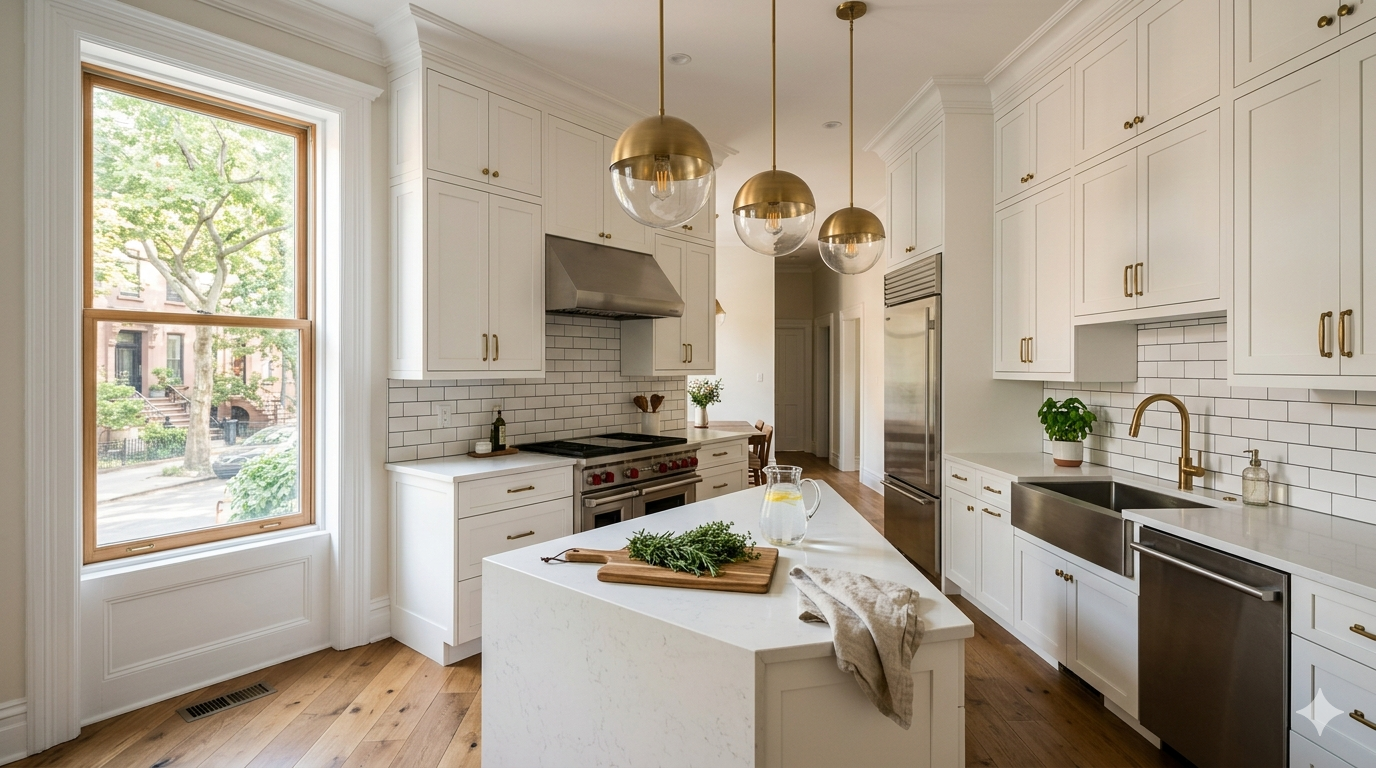
The kitchen is consistently the room where New Yorkers get the most return on their renovation investment. A well-executed kitchen remodel in NYC can dramatically improve daily livability while adding measurable resale value. Here are the ideas that tend to have the biggest impact in NYC properties.
Open the Floor Plan Where the Structure Allows
Many pre-war apartments were built with galley kitchens and closed-off dining rooms that feel claustrophobic by today’s standards. Removing a non-load-bearing wall between the kitchen and living or dining area is one of the highest-impact changes you can make. The work requires a contractor to assess the wall’s structural role, file the appropriate DOB permits, reroute any electrical or plumbing inside the wall, and patch and finish the ceiling and floors seamlessly. When done well, it fundamentally changes how a space feels.
Custom Cabinetry to Ceiling Height
In NYC kitchens where every square foot counts, standard cabinet heights that stop 12 to 18 inches below the ceiling waste valuable storage space. Custom or semi-custom cabinetry built to the full ceiling height eliminates that dead zone and creates a cleaner, more intentional look. Pair this with deep lower cabinets optimized for pull-out storage and you can dramatically reduce the clutter that accumulates in small kitchens.
Pull-and-Replace vs. Full Gut Remodel
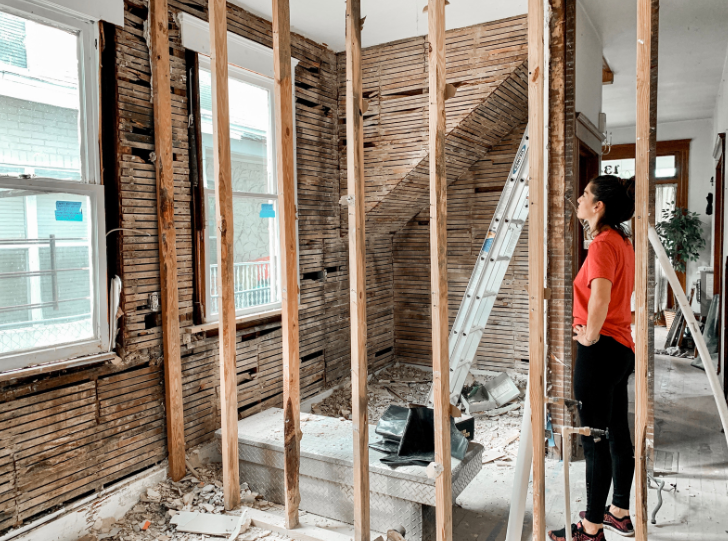
Not every NYC kitchen needs a gut renovation. A pull-and-replace remodel, where you swap cabinets, countertops, and appliances without moving plumbing or electrical rough-in, can modernize a kitchen at a significantly lower cost and in a shorter timeframe. If the existing layout works and the plumbing and electrical are in good condition, this is often the right scope. If the kitchen has aging galvanized pipes, undersized electrical service, or a layout that has never worked, a full gut remodel addressing all systems is worth the additional investment.
Bathroom Renovation Ideas That Work in Small Spaces
NYC bathrooms are famously small, and bathroom renovation in NYC requires a design approach that maximizes every available inch. These ideas consistently produce the biggest improvements in tight New York City bathrooms.
Large-Format Tile to Reduce Visual Breaks
Smaller tiles mean more grout lines, which visually fragments a small space. Switching to larger format tiles (12×24 or 24×24 inches) on both the floor and walls reduces the number of grout lines and makes a compact bathroom feel notably more open. White and light neutral tones amplify natural light; a single darker accent wall behind the vanity or tub adds contrast without closing the space in.
Custom Vanities for Awkward Dimensions
Pre-war and post-war NYC bathrooms rarely conform to standard dimensions. Walls are not always plumb, floors are not always level, and recesses or radiator enclosures eat into the available footprint. Custom-built vanities fitted to the actual dimensions of the space eliminate the awkward gaps and filler pieces that come with off-the-shelf furniture, and they allow for optimized interior storage configurations.
Walk-In Showers in Place of Tubs
In secondary bathrooms or smaller primary baths where a tub is rarely used, converting to a walk-in shower frees up floor space and modernizes the room significantly. A curbless shower with a linear drain is a particularly clean solution in tight bathrooms because it eliminates the step over a curb and keeps the floor plane continuous, making the room appear larger.
Living Room and Open-Concept Ideas

Living rooms in NYC apartments often suffer from the same problem: they feel boxed in by layouts designed for a different era of living. The following renovation approaches address that directly.
Hardwood Floor Refinishing or Replacement
Original hardwood floors are one of the most prized features in pre-war apartments. If they are in reasonable condition, refinishing them is one of the highest-ROI improvements you can make. If the floors have been covered with carpet or deteriorated beyond refinishing, full replacement with engineered hardwood that can handle NYC’s humidity swings is the practical alternative. Using a single flooring material throughout connected living spaces ties the rooms together and makes the overall footprint feel larger.
Built-In Millwork for Storage and Definition
Built-in bookshelves, window seats with storage below, and custom entertainment centers serve two purposes in NYC apartments: they maximize storage in spaces where closets are often undersized, and they give a room architectural character that generic furniture cannot. Built-ins flanking a fireplace or running an entire wall transform a plain rectangular room into something that feels designed and intentional.
Lighting Upgrades
Many older NYC apartments still rely on a single overhead fixture per room, a legacy of their original electrical design. Upgrading to recessed lighting, layered with sconces and dimmable fixtures, makes an enormous difference in how a room reads at different times of day. Replacing outdated wiring to support a modern lighting scheme is a standard part of a living room renovation scope.
Brownstone and Townhouse Renovation Considerations
Brownstone and townhouse owners operate under a different set of renovation rules than apartment owners. A brownstone renovation in Brooklyn or Manhattan requires managing the entire building envelope in addition to interior systems, and many of these properties sit within historic districts where the LPC has jurisdiction over exterior changes.
Facade Restoration
Brownstone facades are made of relatively soft sandstone that deteriorates over decades of exposure to New York’s weather. Repointing the mortar joints, patching or replacing spalled stone, and repairing or restoring original ironwork (stoops, railings, areaway fences) is not optional maintenance. In LPC-designated landmark districts, all facade materials and repairs visible from the street must be approved by the Landmarks Preservation Commission before work begins. An experienced contractor will prepare the LPC application package and manage the submission process.
Basement and Garden Level Finishing
Many Brooklyn and Manhattan brownstones have garden-level or below-grade spaces that are underutilized. Properly waterproofed and finished, these floors can become family rooms, home offices, guest suites, or separate rental units. The scope typically involves interior drainage and waterproofing, egress window installation for code compliance, new framing and insulation, electrical service, and finish work. DOB permits are required for this scope of work.
Systems Replacement in Older Brownstones
Brownstones built before 1940 may still have original cast iron drain stacks, galvanized water supply lines, and electrical service panels that are 60 to 80 years old. A comprehensive renovation is often the right moment to replace these systems entirely rather than work around them. Replacing galvanized supply pipes with copper, upgrading to a modern electrical panel, and addressing the heating system while walls are open reduces the likelihood of emergency repairs in the coming decades.
Loft and Apartment-Specific Renovation Ideas
Loft spaces and standard NYC apartments present opposite sets of challenges. Loft renovation in NYC is about creating definition within large, open, undivided spaces. Apartment renovation in NYC is more often about extracting function from constrained footprints.
Creating Defined Zones in Lofts Without Walls
Full-height glass partitions, sliding barn doors, custom room dividers, and partial walls that stop short of the ceiling are all effective ways to create separate sleeping, living, and working zones in a loft while preserving the open-plan character. These interventions feel very different from conventional framing; they maintain sight lines and the flow of natural light while giving each area its own identity, especially in neighborhoods like Williamsburg where loft conversions are particularly common.
Mezzanine Construction
Lofts with ceiling heights of 14 feet or more can accommodate a mezzanine level that adds usable square footage without expanding the building’s footprint. Mezzanines require structural engineering drawings, DOB permits, and compliance with guardrail and egress requirements. The result is typically a sleeping loft or home office perched above the main living area, often one of the most dramatic and functional features a loft renovation can add.
Co-op and Condo Renovation Compliance
For co-op and condo renovations in NYC, the alteration agreement process is often the longest lead item on the schedule. Board packages typically require contractor insurance certificates, detailed scope of work descriptions, architectural drawings, material specifications, and sometimes a refundable damage deposit. Getting these submissions right the first time prevents the delays that come from a board rejection or request for additional information.
NYC Renovation Scope Comparison
Understanding where your project falls on the renovation spectrum helps align budget expectations with the outcome you are planning for.
| Scope | Typical Budget | Timeline | Permits Required | Best For |
| Cosmetic Refresh | $15K – $40K | 3 – 6 weeks | Usually none | Updated finishes, paint, fixtures |
| Partial Renovation | $40K – $120K | 6 – 16 weeks | Plumbing/electrical | Kitchen or bath overhaul, new flooring |
| Full Gut Renovation | $120K – $350K+ | 4 – 9 months | DOB, plumbing, electrical, structural | Complete layout changes, aging systems |
Room-by-Room Renovation Priority Guide
If you are deciding where to invest first, this breakdown reflects typical returns for NYC properties.
| Room / Project | Avg. NYC Cost | Est. ROI at Resale | Primary Benefit |
| Kitchen remodel (mid-range) | $45K – $90K | 60% – 80% | Daily livability + buyer appeal |
| Bathroom renovation | $18K – $45K | 55% – 75% | Modernizes dated plumbing & tile |
| Hardwood floor refinishing | $4K – $10K | 70% – 85% | High visual impact, low cost |
| Open-concept wall removal | $8K – $25K | Varies | Space perception, natural light |
| Electrical service upgrade | $6K – $18K | Functional value | Safety, code compliance |
| Brownstone facade restoration | $15K – $60K | Preserves value | Required in landmark districts |
How to Plan Your NYC Home Renovation
Successful renovations in New York City follow a consistent process regardless of property type. Whether you are planning a single-room remodel or a full gut renovation in NYC, the steps below apply.
- Site assessment: A licensed contractor visits the property, evaluates existing structural, plumbing, and electrical conditions, identifies building-specific requirements (co-op protocols, landmark restrictions), and discusses your scope and budget.
- Scope and proposal: You receive a written proposal with itemized costs covering labor, materials, and permit fees. For larger projects, this phase includes architectural drawings and engineer sign-offs.
- Permits and board approvals: Your contractor files DOB applications, prepares co-op or condo alteration agreement packages, and submits LPC applications if required. This phase can take 4 to 12 weeks depending on the building and project complexity.
- Construction: Once permits are in hand and board approvals are received, work begins. A well-organized contractor sequences trades (demolition, rough-in, inspections, finish work) to keep the project moving without unnecessary delays.
- Final inspections and closeout: DOB inspections are scheduled as required by the permit. After all sign-offs are obtained, a final walkthrough confirms everything meets the agreed-upon scope before project closeout.
The most common source of renovation delays in NYC is starting the permit and board approval process late. Experienced contractors initiate these submissions as early as possible, often before material orders are finalized, to protect the overall project timeline.
Great Ideas Only Get Built With the Right Team Behind Them
New York City’s housing stock offers remarkable renovation potential, but realizing that potential requires navigating a set of regulatory, structural, and logistical challenges that are unique to this market. The ideas in this guide cover the most impactful projects across the most common NYC property types, but every building has its own conditions and every renovation scope is different.
The clearest path to a successful outcome is partnering with a contractor who knows NYC’s property types, permit processes, and building board requirements from the inside. That experience is what keeps projects on schedule, on budget, and fully compliant from the first permit filing to the final inspection. Melani General Contractor brings that depth of experience to every project across all five boroughs.
About Melani General Contractor
Melani General Contractor is a licensed, full-service construction and renovation company based in Park Slope, Brooklyn, serving residential and commercial property owners throughout all five New York City boroughs. With over 22 years of hands-on experience across apartments, co-ops, condos, brownstones, townhouses, lofts, and commercial spaces, the team manages every phase of a renovation in-house, from initial DOB filings and co-op board submissions through construction and final inspections.
Melani General Contractor holds a 5-star rating across customer review platforms, with clients consistently citing clear communication, on-schedule delivery, and expert handling of NYC’s complex permitting and board approval processes.
Frequently Asked Questions
Do I need permits for a kitchen or bathroom renovation in NYC?
Most kitchen and bathroom renovations that involve moving plumbing, electrical work, or structural changes require permits filed with the NYC Department of Buildings. Cosmetic updates (like replacing cabinets without moving plumbing, or painting) typically do not. Your contractor should assess permit requirements during the initial site visit.
How long does a typical NYC apartment renovation take?
A cosmetic refresh runs 3 to 6 weeks. A kitchen or bathroom gut renovation typically takes 8 to 14 weeks, including permitting. Full apartment gut renovations can run 4 to 9 months depending on scope, co-op board approvals, and DOB permit timelines.
What are co-op board alteration agreements and do I need one?
If you own a co-op apartment, your building’s board almost certainly requires a signed alteration agreement before any renovation work begins. This document outlines the permitted scope of work, work hours, contractor insurance requirements, and any damage deposits. Your contractor should be familiar with this process and able to help you prepare the submission package.
Is it worth doing a gut renovation in a pre-war NYC apartment?
Often yes, particularly in buildings where aging cast iron plumbing, knob-and-tube or cloth wiring, and original galley kitchens limit livability and resale value. A gut renovation lets you modernize all systems behind the walls while preserving the pre-war architectural details that make these apartments so desirable.
Can I renovate a brownstone in a historic district?
Yes, but any exterior work visible from a public way requires approval from the NYC Landmarks Preservation Commission. This includes facade repairs, window replacements, and changes to stoops or ironwork. Interior renovations are generally not subject to LPC review unless they affect historically significant interior features. Work with a contractor who has experience navigating LPC submissions.
How do I maximize space in a small NYC apartment renovation?
The most effective strategies are removing non-structural walls to open the floor plan, installing floor-to-ceiling custom built-ins for storage, using large-format tiles in bathrooms to reduce visual breaks, and selecting furniture-grade kitchen cabinetry that extends to the ceiling. Refinishing or replacing flooring with a consistent material throughout also makes a significant difference in how spacious a small apartment feels.
What should I look for when hiring a general contractor in NYC?
Verify that the contractor holds a current NYC Home Improvement Contractor (HIC) license, carries general liability and workers compensation insurance, and has documented experience with your specific property type (co-op, condo, brownstone, loft). Ask for references from similar projects and confirm they are familiar with DOB permit filings and, if applicable, co-op or LPC submission processes.
Ready to Start Your NYC Renovation?
Every renovation begins with an on-site assessment. Contact Melani General Contractor at (718) 283-4154 to schedule your free consultation. We will evaluate your property, discuss your goals, and provide a detailed written proposal before any work begins. Our team is available 24/7 and serves all five NYC boroughs.