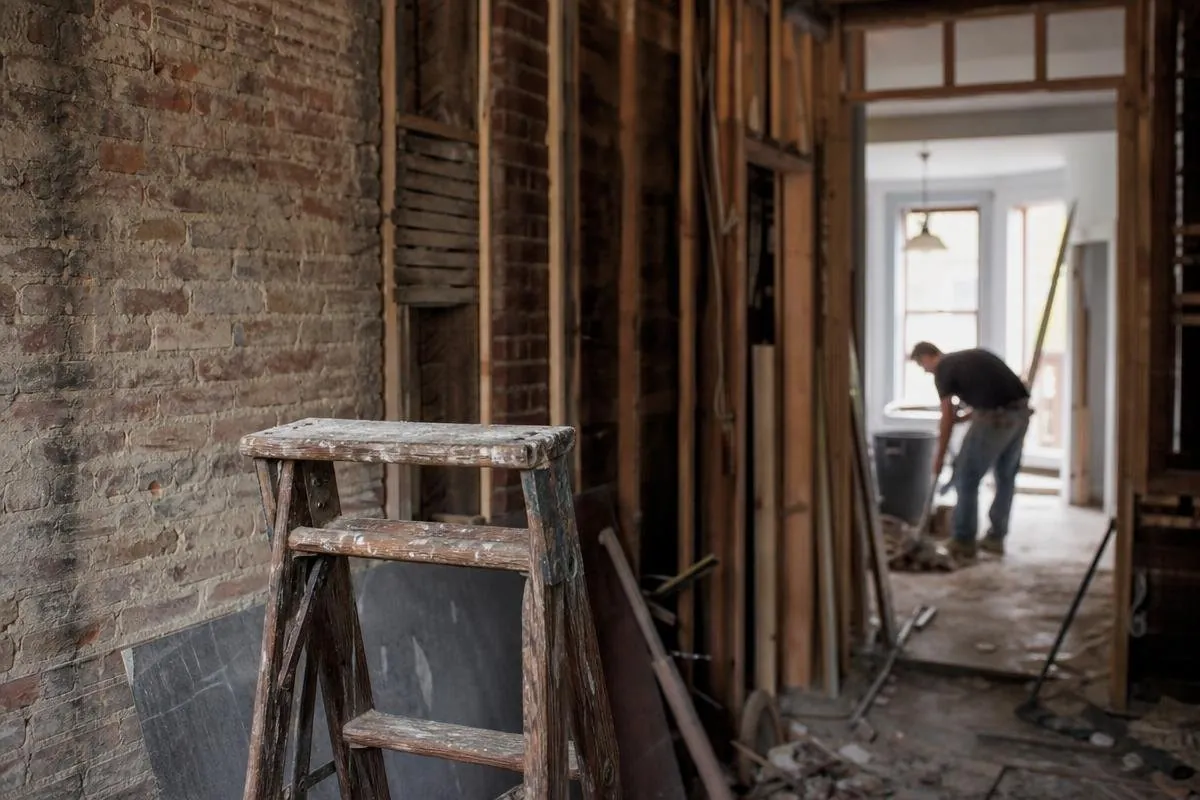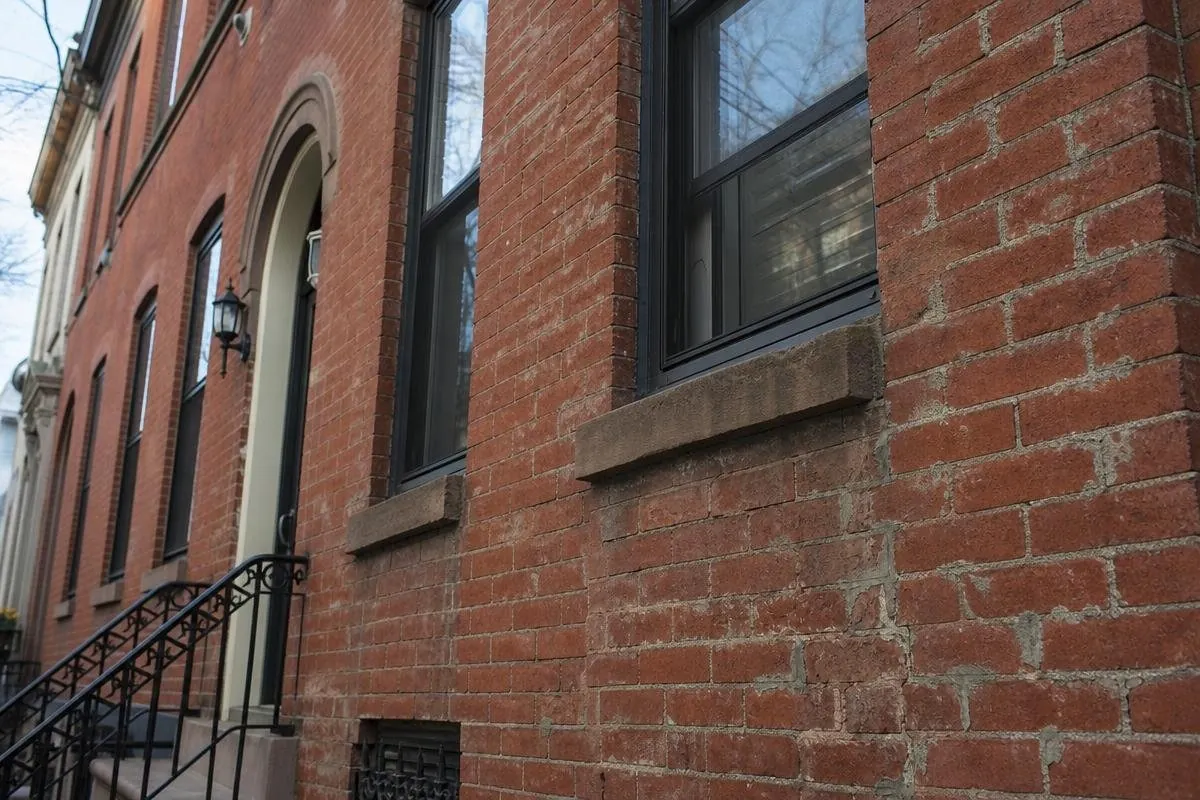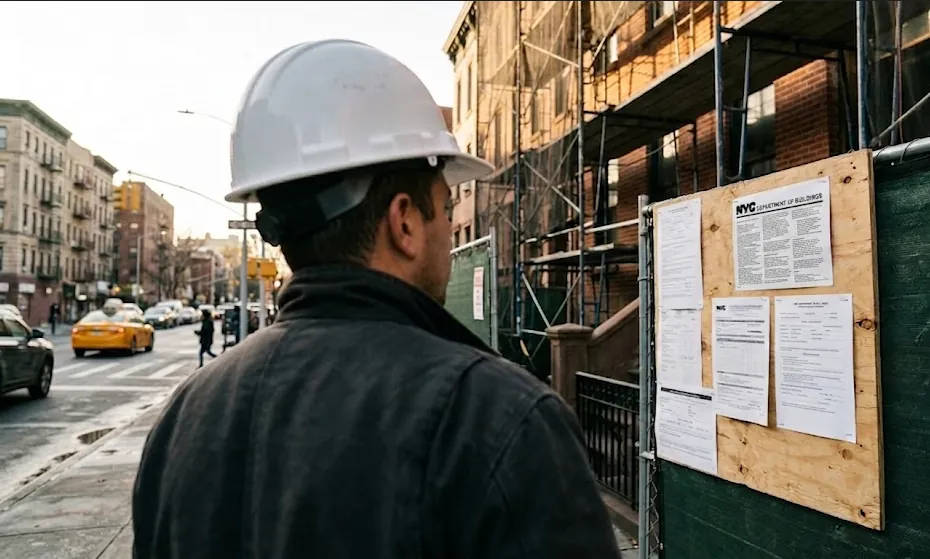
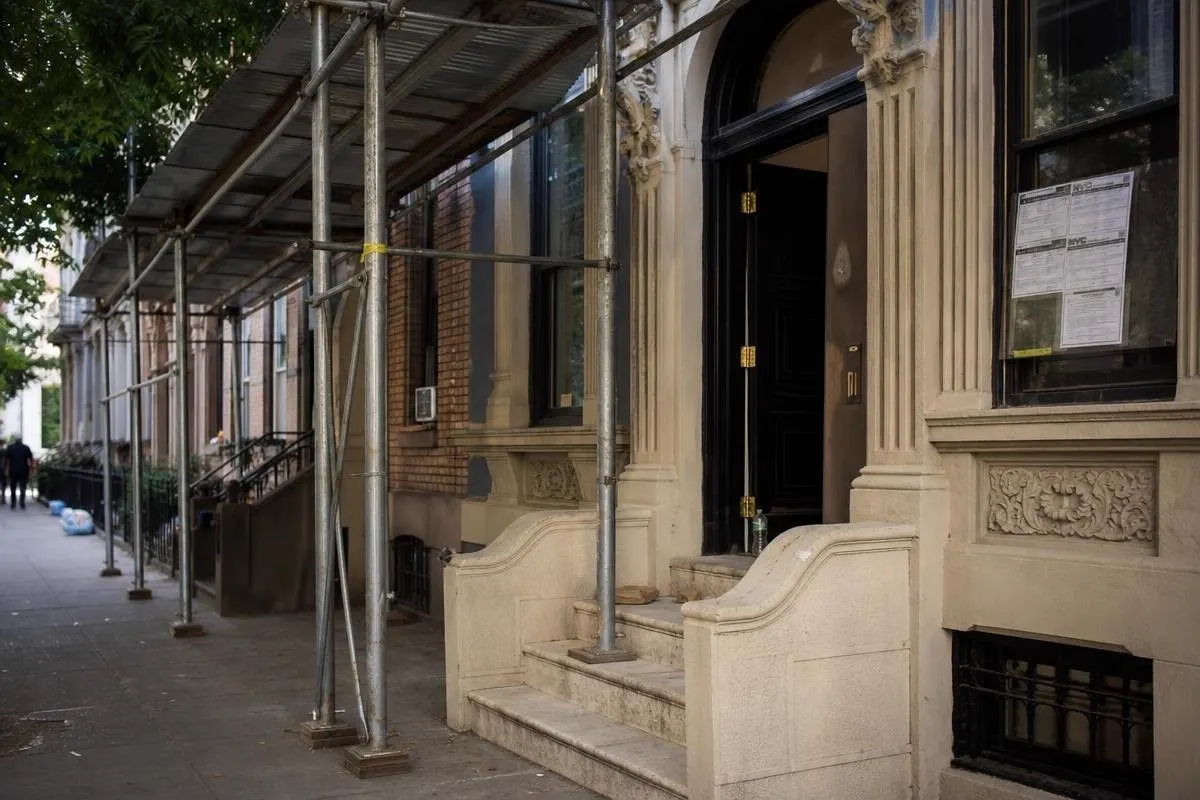
Landlord responsibilities in NYC are not just legal obligations. They are construction constraints. Open HPD violations can block permit issuance before demolition begins. Heating and habitability requirements dictate which units stay occupied during active work. In Brooklyn's pre-war rental stock, those obligations often reveal whatever is hiding behind the walls: knob-and-tube wiring, galvanized pipe, asbestos-containing materials. Each one triggers compliance steps that reshape a renovation schedule.
Melani General Contractor works with Brooklyn property owners and landlords to plan around those obligations from day one, not after a Stop Work Order lands. Planning a renovation on a Brooklyn rental property? Talk to a contractor who knows the compliance side before the first permit is filed.
Key Takeaways
- Open HPD violations on a Brooklyn property can block DOB permit issuance and stall renovation work before it starts.
- Property owner obligations under NYC housing code directly determine which units can be vacated and when construction may proceed.
- Pre-war buildings in Brooklyn frequently contain hazardous materials that trigger additional compliance steps once walls are opened.
- Active construction in occupied multi-family buildings is typically limited to 8 a.m. to 5 p.m. to avoid Stop Work Orders.
- DHCR registration status for rent-stabilized units can complicate permit applications tied to renovation and Individual Apartment Improvement (IAI) rent increase filings.
An NYC landlord calls for a quote on a kitchen gut renovation in a two-family walk-up. First question out of any experienced contractor's mouth: are there open HPD violations on this property? The landlord goes quiet. That silence is a scheduling problem, a permit problem, and sometimes a project-stopping problem, all at once. This is a conversation the crew at Melani General Contractor, based at 343 4th Ave, Brooklyn, NY 11215, has had with property owners across Brooklyn more times than we can count.
NYC housing code requirements are not abstract legal theory. They are operational constraints that determine when a renovation can start, what scope is permitted, and whether the NYC Department of Buildings will issue a permit at all. Open violations on a property can block permit issuance before demolition begins, and it surfaces in contractor conversations across the borough every week. Below, we cover the legal obligations, sequencing constraints, and building repairs Brooklyn landlords should never delay before renovation work begins.
What NYC Law Actually Requires Landlords to Maintain
Most landlords know they have maintenance obligations. Fewer know exactly where those obligations are written down, what systems they cover, and what happens when a renovation exposes a violation they never knew existed. That gap costs money and time.
New York Real Property Law Section 235-b codifies the warranty of habitability. It requires landlords to maintain safe, clean, and habitable conditions across the building envelope, common areas, and every individual unit. This is not a suggestion. It is a legal floor that applies to every residential rental in New York City, regardless of lease terms.
Habitability: The Non-Negotiable Baseline
The warranty of habitability covers conditions that affect tenant health and safety. Pest infestations, mold, broken windows, and inadequate lighting in common areas all fall under this standard. HPD enforces these obligations citywide through its violation classification system.
A landlord cannot defer habitability repairs because a renovation is already underway. The two tracks run simultaneously. A Class C violation, which HPD designates as immediately hazardous, carries a 24-hour cure window. That timeline does not pause for a gut renovation in progress.
What Systems Most Often Trigger Heating, Plumbing, and Electrical Violations?
Heating, plumbing, and electrical systems generate the majority of HPD violations in older buildings. NYC Administrative Code sets specific heating requirements: 68 degrees Fahrenheit between 6 a.m. and 10 p.m. when outdoor temperatures fall below 55 degrees, and a 62-degree minimum overnight. The heating season runs October 1 through May 31. Plumbing must supply hot and cold running water at all times. Electrical systems must meet minimum safety standards under the NYC Electrical Code.
Pre-war buildings in neighborhoods like Crown Heights, Sunset Park, and Williamsburg frequently contain knob-and-tube wiring, galvanized supply lines, and lead paint, all of which become landlord maintenance requirements the moment a contractor opens a wall. A 1920s walk-up often hides pre-existing violations that must be remediated before new work can proceed.
Deferred maintenance on these systems is one of the most common reasons renovation scopes expand without warning. See the building repairs Brooklyn landlords should never delay for a direct breakdown of what gets flagged most often.
Sanitation and Structural Integrity
Property owner obligations under NYC law extend to pest extermination, garbage disposal facilities, and the structural soundness of floors, ceilings, and load-bearing elements. Sanitation violations are common in older multi-family buildings where shared spaces are not maintained between units.
Structural deficiencies discovered during gut renovation convert cosmetic projects into code-compliance projects. A floor replacement that uncovers rotted joists is no longer a flooring job. It is a structural repair with its own permit requirements, inspection sequence, and timeline. The renovation schedule built before demolition begins is rarely the schedule that holds after the walls come down.
Can Open HPD Violations Block a DOB Permit?
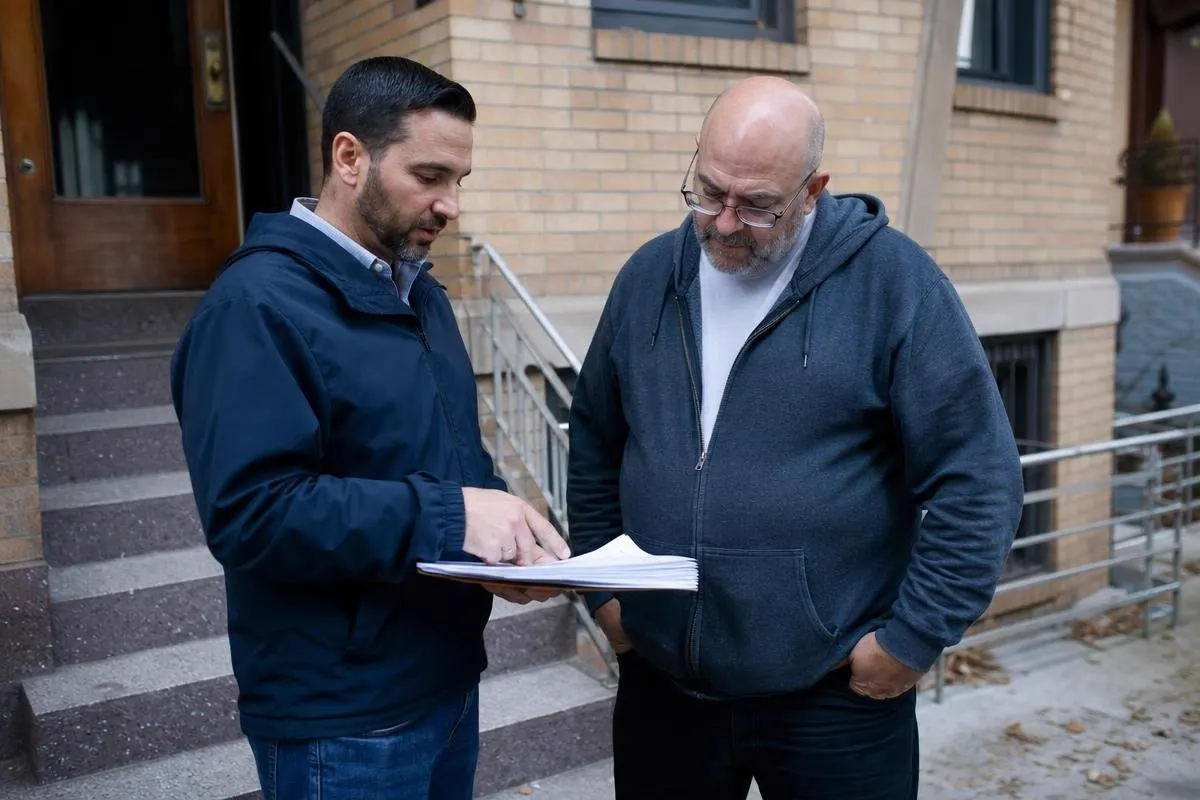
Yes. Open HPD violations are one of the most common reasons a renovation project in NYC stalls before a single wall comes down. Landlords often discover this problem only after a contractor has finished scoping the job and submitted for permits. By that point, weeks of scheduling are already at risk.
This section covers how violations block permit issuance, what cure windows mean for your project schedule, and how experienced contractors find violations the property owner never knew existed.
How Does DOB Cross-Reference HPD Violations?
DOB's Building Information System (BIS) cross-references HPD violation data directly. If a Class C violation is flagged on your property, the permit application hits a wall. The NYC Department of Buildings does not issue certain permits on properties carrying open Class C HPD violations. This is not a policy suggestion. It is a hard system constraint.
The landlord must resolve the violation before the contractor can legally begin permitted work. This is a common point of confusion. Many property owners assume the contractor handles it. The contractor cannot. Clearing violations is the landlord's legal obligation under NYC landlord repair obligations, not the contractor's.
Cure Windows and What They Mean for Scheduling
HPD assigns violations by class, and each class carries a mandatory cure window:
- Class A (non-hazardous): 90 days to correct
- Class B (hazardous): 30 days to correct
- Class C (immediately hazardous): 24 hours for certain conditions
The cure window, not the contractor's schedule, becomes the critical path. A Class B violation discovered two weeks before a planned gut renovation in Williamsburg or Park Slope pushes the entire start date by at least 30 days. A Class C violation tied to a heating or plumbing failure requires emergency correction first, which can consume contractor capacity and budget before the renovation even begins. Violation clearance must be sequenced before permit applications, not after.
How Do Contractors Discover Violations the Landlord Didn't Know About?
Experienced NYC contractors check BIS and HPD's online portal before finalizing scope. This is standard practice, not a courtesy. Pre-war walk-ups in Flatbush, Crown Heights, and Williamsburg regularly carry inherited violations from prior owners, some dating back years. A landlord who purchased a building and never pulled a full violation report may have no idea what is on record.
Unpermitted prior work discovered during demolition creates its own risk. Behind the walls of a pre-war building you can find decades of unrecorded electrical, plumbing, or structural work. That discovery triggers its own violation exposure. Contractors who understand NYC DOB inspection failures flag these conditions immediately rather than proceed and compound the problem.
The practical default is to run a full violation search before signing a construction contract. Skipping that step is how a 6-week project becomes a 4-month project. Not sure what is on your building's record? Get a violation-aware scope review before you commit to a start date.
DHCR Registration, Rent Stabilization, and Renovation Scope Limits
What DHCR Registration Requires Before Renovation Work
Landlords of rent-stabilized buildings must register each unit annually with the Division of Housing and Community Renewal. This is not optional paperwork. A lapsed DHCR registration can block legal rent collection and complicate permit applications at the NYC Department of Buildings. A landlord who skips a registration cycle may find a renovation stalled before demolition begins.
Confirming DHCR registration status for every affected unit is the landlord's responsibility, not the contractor's. That status must be verified before renovation scope is finalized. If the building sits in Park Slope, Crown Heights, or Williamsburg, where stabilized pre-war stock is dense, this step is especially consequential. Skipping it does not make the obligation disappear. It makes the problem more expensive later.
Individual Apartment Improvements and the MCI Process
Individual Apartment Improvements (IAIs) and Major Capital Improvements (MCIs) both allow landlords to apply for rent increases after qualifying renovation work, but the increase only holds if the documentation holds. Under current rent regulation, IAI increases are capped and amortized over a long collection period, and the landlord must file the improvement documentation with DHCR before the increase can be collected.
That means contractor invoices, signed contracts, and permit records must be organized and retained from the start of any rental property renovation in Brooklyn.
Done correctly, IAI and MCI filings produce a documented paper trail that supports a DHCR application. Done without that documentation, the renovation produces no regulatory benefit, regardless of how much was spent. Coordinating that documentation between contractors and property managers is a recurring friction point. Understanding how that coordination works before construction starts is covered in detail in our guide on working with managing agents in NYC.
- Retain every contractor invoice with itemized line items, not lump-sum totals.
- Keep copies of all DOB permits tied to the improvement work.
- Document before-and-after conditions with dated photographs.
- File IAI or MCI applications within DHCR's required timeframes after work is completed.
When Renovation Work Triggers Rent Regulation Review
A gut renovation that substantially alters a unit can trigger DHCR review if the landlord is pursuing high-rent vacancy deregulation. This is a narrow scenario, but it carries serious consequences in tighter rental markets. Landlord habitability standards in NYC do not change based on deregulation intent, and DHCR scrutinizes scope carefully when deregulation is on the table.
This is not a contractor issue. It is a legal strategy question. Landlords should consult a housing attorney before finalizing any renovation scope that could be interpreted as a deregulation effort. Getting the scope wrong costs more than the renovation itself.
DHCR registration and IAI documentation are the landlord's job. Getting the construction side right is ours. Call Melani General Contractor at (718) 283-4154 to discuss your renovation scope before permits are filed.
The Landlord Maintenance Compliance Checklist for NYC Renovation Projects
Before the Contractor Arrives
Verify each item below before demolition begins. Missing one can stop a project cold.
- 1Pull the full HPD violation history for the property and confirm no open Class C violations exist that require correction before permit issuance.
- 2Confirm DHCR registration is current for every rent-stabilized unit in the building.
- 3Verify the certificate of occupancy matches the building's current use classification, especially in converted loft buildings and multi-family walk-ups where occupancy categories have shifted over decades.
- 4Confirm lead paint disclosure has been provided for any pre-1978 building where a child under six occupies or will occupy an affected unit.
- 5Notify all tenants in writing of the renovation scope, start date, and expected duration before any work begins.
- 6Check the DOB's Building Information System to confirm no open violations will block permit issuance.
During Active Renovation
These items apply from day one of demolition through final trade sign-off.
- 1Confirm all required DOB permits are pulled and posted on-site before any demolition begins.
- 2Maintain a dated work order and invoice log for every trade, every day work is performed.
- 3Keep all egress paths, stairwells, and fire exits clear of debris and materials at all times.
- 4Address any unpermitted prior work discovered during demolition immediately, before framing or finishes proceed.
- 5Limit active construction to 8 a.m. to 5 p.m. in occupied multi-family buildings to avoid Stop Work Orders triggered by noise complaints.
- 6Document any knob-and-tube wiring, galvanized plumbing, or suspect insulation materials found behind walls and flag them for licensed remediation before continuing.
Before Requesting Final Inspection
Nothing below is optional. Each item must be confirmed before a final DOB inspection is scheduled.
- 1Confirm every permitted scope item has received a DOB progress inspection sign-off before requesting final.
- 2Obtain physical copies of all inspection records and store them with the building file.
- 3Verify heating, plumbing, and electrical systems meet current NYC code minimums before any tenant returns to the unit.
- 4Update HPD registration if the renovation changed the building's occupancy classification or unit count.
How Landlord Obligations Shape Renovation Timelines in Brooklyn Specifically
Renovation timelines in New York City's outer boroughs carry compliance layers that simply do not exist in most other markets. In Brooklyn specifically, older building stock, occupied multi-family properties, and strict habitability standards combine to make scheduling a renovation more complex than any single permit or inspection cycle suggests.
What Happens When a Renovation Uncovers a Code Violation?
Work stops until the hazard is addressed, and the timeline shifts with it. Buildings constructed before 1960 in neighborhoods like Park Slope, Crown Heights, and DUMBO routinely contain knob-and-tube wiring, galvanized plumbing, and asbestos-containing materials. None of these are visible during a walkthrough.
Each one surfaces during demolition and triggers a compliance obligation that stops work until it is addressed. A landlord who budgets four weeks for a kitchen renovation may be looking at eight once the concealed conditions get properly assessed and remediated.
This is not a contractor problem. It is a building-age problem. Landlord habitability standards under the NYC Housing Maintenance Code require that any discovered hazard be corrected before work continues. Skipping that step risks a Class C violation, which carries a 24-hour correction window. Understanding the discovery phase before demolition starts is critical.
Landlords who have reviewed common interior demolition mistakes property managers make are better positioned to anticipate these delays rather than react to them.
Multi-Family Properties and Tenant Notification Requirements
Three-to-six-family walk-up buildings are common across central Brooklyn. There is no single universal notice period covering all renovation work, but HPD enforcement guidance and standard practice in these buildings call for 24 to 72 hours minimum notice for non-emergency work. Work affecting shared systems, including water lines, gas risers, or electrical panels, requires at least 72 hours advance notice to all affected tenants.
Failing to notify tenants before shared-system work is not just a courtesy issue. It can generate HPD complaints that result in new violations, which then cross-reference against your permit applications through the NYC Department of Buildings. One complaint can stall a rental property renovation in Brooklyn for weeks.
Working Around Occupied Units
Active construction in occupied buildings is typically limited to 8 a.m. to 5 p.m. Work outside those hours generates noise complaints. Noise complaints can produce work stoppages that extend a project by days or weeks per incident.
Landlords also cannot shut off water or electricity to an entire building for a full workday without triggering landlord habitability standards violations. Shared-system work must be sequenced in stages, which adds time to every phase. Long-term property owners who have worked with Melani General Contractor describe this sequenced approach as the reason their projects stay on track, because the crew already understands how occupied-building constraints affect scheduling before a single tool is unpacked.
Frequently Asked Questions
What are my core legal maintenance obligations as an NYC landlord?
NYC landlord repair obligations are grounded in New York Real Property Law Section 235-b, which requires every landlord to maintain a habitable unit. In practice, this means functioning heat, plumbing, electrical systems, and sanitation at all times. HPD enforces these standards citywide through its violation classification system: Class A for non-hazardous conditions, Class B for hazardous, and Class C for immediately hazardous. Each carries its own correction deadline: 90 days, 30 days, and 24 hours respectively.
Will open HPD violations block my renovation permits?
Open Class C violations can block DOB permit issuance. DOB's permit system cross-references HPD violation data, so a property with unresolved immediately hazardous conditions will stall before demolition begins. Landlords must either correct violations or include them in the renovation scope before submitting permit applications. Skipping this step is one of the most common causes of avoidable project delays. For more on what inspectors flag before permits clear, see our breakdown of NYC DOB inspection failures.
What happens when my contractor finds unpermitted work during demolition?
Work stops. This is not optional. An experienced contractor notifies the property owner immediately and documents what was found. The landlord must then file a legalization application or remove the unpermitted construction entirely. Pre-war buildings across central Brooklyn and DUMBO carry this risk at a higher rate than newer stock, because decades of informal alterations are common. Contractors who understand interior demolition mistakes property managers make budget time for this scenario before it surfaces.
If you own rental property in Brooklyn and are planning renovation work, call Melani General Contractor at (718) 283-4154 before finalizing your scope. Our team checks HPD violation status, DOB permit history, and occupancy records before any project starts. That step alone has saved property owners in neighborhoods across the borough weeks of avoidable delays.
Visit our office at 343 4th Ave, Brooklyn, NY 11215 or call (718) 283-4154 to schedule a consultation.
Ready to Get Started with Melani General Contractor?
Call (718) 283-4154 to speak with our team directly. We're ready to answer your questions, walk you through your options, and help you find the right solution for your needs. Whether you're just starting to plan or ready to move forward, we'll make the process simple and stress-free. Reach out today and let's talk about how we can help.
Planning a Project in NYC?
Melani General Contractor is licensed, insured and based in Park Slope, working across all five boroughs.