

Why NYC DOB Inspections Fail and What Park Slope Contractors Say About It
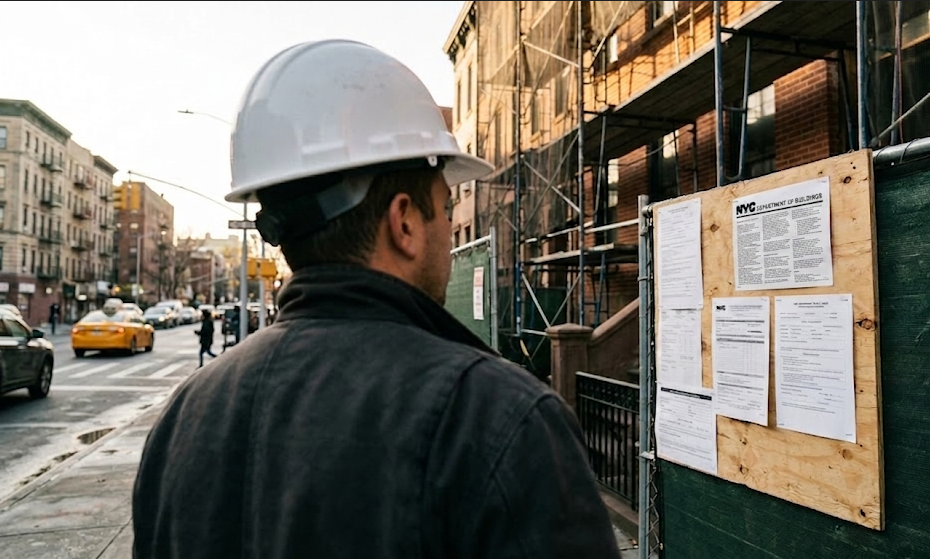
Walk any active job site in Park Slope and you’ll hear the same complaint: a failed NYC DOB inspection just pushed the schedule back two weeks and the owner is asking why. The failures are rarely random. They follow patterns, and most of them trace back to work that was rushed, undocumented, or done by a crew that didn’t understand what the inspector would actually be looking at. Melani General Contractor has been pulling permits and closing out jobs across Brooklyn long enough to know where the trip-wires sit, and this guide walks through what we see fail most often.
Planning a renovation in Brooklyn? Call (718) 283-4154 before the permit goes in, not after the inspector flags it.
Key Takeaways
- Most NYC DOB inspection failures come from sloppy documentation, not bad workmanship behind the walls.
- Special inspections for plumbing, fireproofing, and structural work trip up more Park Slope jobs than any other category.
- Self-certification is not a shortcut; it shifts liability to the contractor and invites audit failures.
- Scheduling inspections through DOB NOW requires the right job number, discipline code, and licensed party present on site.
An owner pulls a renovation permit, swings a hammer through a plaster wall, and finds knob-and-tube wiring spliced into modern Romex, a beam notched halfway through for a bathroom drain, and a closet that does not appear on any filed drawing. That is the moment most Brooklyn homeowners realize they have no map for what comes next. A NYC DOB inspection is the city’s check that the work matches the approved plans, the code, and the filings on record. Fail one, and the project stops cold: stop-work order, fines, sometimes a demand to tear out finished work and redo it under proper filings.
Row houses across Sunset Park, Park Slope, and the rest of southwest Brooklyn carry decades of layered work, some permitted, much not, hiding behind plaster until demo day. In practice, this means a nyc dob inspection failure often traces back to something the current owner never touched. This guide covers the common failure modes, how to read DOB NOW results, special versus progress inspections, and what experienced local contractors do differently.
How the NYC DOB Inspection System Actually Works
Every permitted job in the five boroughs runs through a series of inspections tied to specific construction milestones. The Department of Buildings does not show up on its own schedule. The permit holder or expediter requests each inspection through DOB NOW after the work reaches the right stage. Miss a stage, cover it up too early, or skip a required special inspection entirely, and the cost of correction lands on the owner.
Standard Progress Inspections vs. Special Inspections
These are two separate tracks, and confusing them is where many jobs go sideways. Standard progress inspections cover the predictable milestones: foundation and structural, rough plumbing, rough electrical, framing, insulation, and final. A DOB inspector performs these after the permit holder requests them through DOB NOW.
A special inspection nyc requirement is different. The NYC Building Code mandates third-party inspection for items like structural steel, concrete placement, sprinklers, mechanical systems, and underpinning. These cannot be performed by a DOB employee. They require a licensed Special Inspection Agency hired separately by the owner or contractor. Failing to schedule a required special inspection before covering the work is one of the most expensive mistakes on a job site, because the only remedy is opening up finished surfaces to expose the assembly again.
This matters in older South Brooklyn building stock, where prior unpermitted work routinely surfaces once walls open up. On a brownstone renovation, an inspector flagging undocumented structural alterations from a previous owner can stall the entire project until the work is legalized or removed.
How to View Inspection Results on the DOB NOW Public Portal
Inspection results are public. Anyone can read them. The dob now inspections public portal at a810-lmpaca.nyc.gov lets you search by BIN, address, or job number and view every inspection logged against the property. Buyers check it. Co-op boards check it. Lenders check it at the point of sale.
Each visit returns one of four status codes:
- Passed: the work conforms and the milestone is closed.
- Failed: defects were cited and must be corrected before re-inspection.
- Partially Passed: some scope passed, the rest needs rework.
- Not Ready: the work was not far enough along for the inspector to evaluate. This counts as a failed visit and triggers a re-inspection fee.
DOB NOW is the current platform. The legacy BIS system is being phased out, so any active job should be tracked through DOB NOW going forward.
The Most Common Reasons NYC DOB Inspections Fail
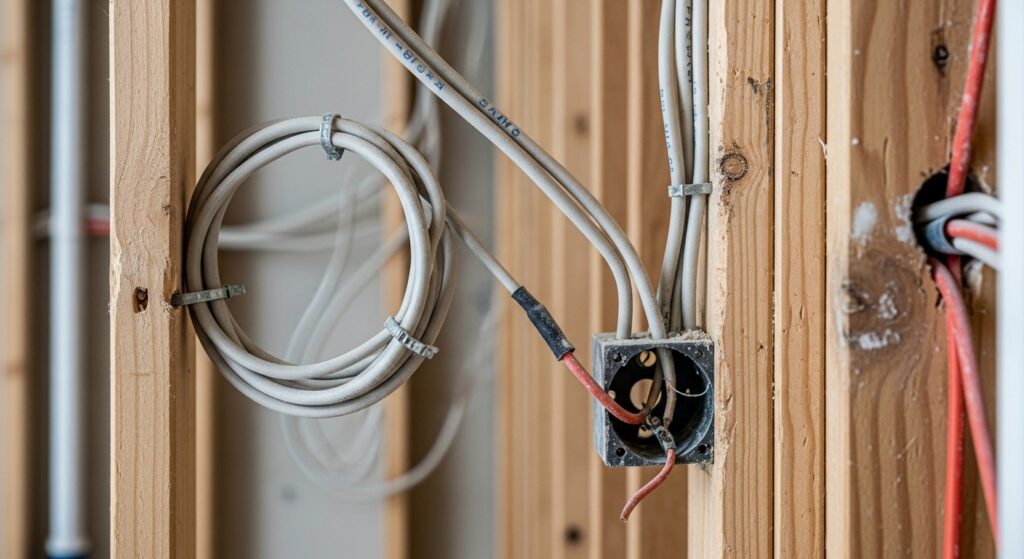
NYC DOB inspections fail most often for three reasons: the built work does not match the filed plans, rough work gets covered before sign-off, and a trade permit is missing from the file. Every other failure category, fire-stopping, fastener spacing, smoke detector placement, tends to be a fix-on-site correction. The three below stop the job cold.
Scope Creep Beyond the Filed Plans
The inspector shows up with the approved drawings in hand and walks the site comparing what is on paper to what is framed. On attached houses in southern Brooklyn and gut renovations across Sunset Park and Park Slope, the most common divergences we see are wall relocations of six inches or more, door openings moved to clear a new layout, and egress window changes on rear extensions. Any of these triggers a partial stop-work order on the affected scope.
The remedy is an amendment, Alt 2 for non-structural changes, Alt 1 if you have touched egress or occupancy. In practice, this means four to eight weeks minimum before you can re-inspect, plus filing fees and expediter time. The fix is cheaper than the delay.
Premature Covering of Rough Work
If insulation goes in before the framing, plumbing rough, and electrical rough inspections are signed off in DOB NOW, the inspector has two options. Open the wall, or accept a controlled inspection signed by a licensed PE or RA who personally observed the concealed work. There is no affidavit workaround for structural framing inspections, contrary to what some homeowners are told.
This is purely a sequencing failure. On tight Brooklyn schedules, drywall crews show up ready to hang and the temptation to keep moving is real. We hold the line on rough sign-off before anything gets buried.
Missing or Incorrect Permits for Subcontractor Trades
Licensed master plumbers and licensed electricians pull their own permits, separately from the GC’s building permit. Missing a trade permit triggers ECB/OATH summonses with fines that run from several hundred to several thousand dollars per violation class, and the inspection itself fails on the spot. This permit coordination is the GC’s responsibility, not the homeowner’s, which is part of why understanding the distinction between a contractor and a subcontractor matters before signing anything.
If the plumber says they will “pull it next week,” the rough inspection has already failed.
Worried about a permit gap or a rough inspection coming up on your renovation? Call our team at (718) 283-4154 to walk through the filing.
Special Inspections: What They Are and When Brooklyn Projects Require Them
Special inspections are a separate track from standard DOB inspections, and confusing the two is where many owners get stuck at closeout. NYC Building Code Chapter 17 requires a credentialed third party, a registered Special Inspection Agency (SIA), to witness and certify specific high-risk work that standard DOB inspectors are not qualified to evaluate. In practice, this means the SIA, not the contractor, signs off on the structural and life-safety items that determine whether the project can ever receive a CO.
Work Types That Trigger Special Inspection Requirements
On residential jobs across South Brooklyn and the brownstone belt, the triggers show up constantly. Underpinning is the big one: any basement dig for a rec room, rental unit, or lowered slab in attached housing almost always requires it, and the SIA witnesses every pin pour. Our team handles these conditions regularly on brownstone renovations where party walls sit inches from the excavation line.
Other common triggers on residential projects:
- Structural steel welding and bolted connections
- Reinforced masonry and concrete placement
- Controlled inspections of excavations next to adjacent properties
- Sprinkler system rough and final testing
- Energy code blower door testing on gut renovations
- Mechanical systems, fire-stopping, and post-installed anchors
A gut renovation in Park Slope or a cellar conversion in Sunset Park can easily carry five or six separate special inspection categories on a single permit.
How to Request and Track a Special Inspection
The owner hires the SIA, not the contractor. This is not a negotiable variable. The SIA is engaged before construction begins, at the permit issuance stage, and produces a Statement of Special Inspections that becomes part of the approved DOB filing. Hiring the SIA late, after framing or excavation has already moved, creates gaps in the inspection record that cannot be closed retroactively.
Results are submitted electronically through the DOB NOW Inspections public portal. The SIA logs each visit, uploads field reports, and marks items as satisfactory or in need of correction. The owner, contractor, and design professional can all view inspection status in the portal in real time.
A TCO, full CO, or ALT2 Letter of Completion cannot be issued while any special inspection item remains open. This is the choke point that delays move-ins more than any other single factor in NYC residential work.
What a Failed Inspection Actually Costs a Brooklyn Property Owner

A failed DOB inspection rarely costs just one fee. The number on the re-inspection invoice is the smallest line item. The real damage shows up in compounding delays, ECB fines, demolition of finished work, and, on co-op and condo jobs, building management imposing its own consequences on top of the city’s.
Direct Costs: Re-inspection Fees, ECB Fines, and Remediation
DOB re-inspection fees in 2026 are assessed per failed visit and compound with each repeat failure on the same permit. ECB/OATH violations issued at inspection run from a few hundred dollars for paperwork and minor code infractions to $25,000 or more for hazardous conditions, work without permit, or illegal occupancy. Those are the easy numbers to quote.
Remediation is where owners get hit hardest. If a plumbing rough fails because a concealed joint is wrong, the sheetrock comes off. Opening 200 square feet of finished wall in an attached Sheepshead Bay or Dyker Heights house typically runs several thousand dollars in labor and materials before the actual repair starts, and the owner absorbs the delay separately. Nyc building inspection violations tied to concealed work almost always cost more to fix the second time than they would have cost to do right the first.
Indirect Costs: Schedule Impact and Co-op Board Complications
In co-op heavy areas like Prospect Heights, Cobble Hill, or Brooklyn Heights, a nyc dob inspection failure does not stay between the owner and the city. Most co-op and condo alteration agreements require the DOB permit to remain in good standing as a condition of the building’s own work permit. A stop-work order or open Class 1 violation can trigger management to suspend interior access, freight elevator windows, and trade entry independently of whatever DOB does next.
Open violations and failed inspections are visible in DOB NOW to any buyer’s attorney during due diligence. At the point of sale, an unresolved item can delay closing or kill it outright.
If you have an open permit, a pending inspection, or an existing violation in DOB NOW, call our team at (718) 283-4154. We work out of our office at 343 4th Ave Brooklyn, NY 11215 and handle inspection sequencing, trade permit coordination, and special inspection scheduling on every project we run. Get it cleared the first time, not the third.
Frequently Asked Questions
How Long Does It Take to Schedule an NYC DOB Inspection After Requesting One?
Scheduling timelines vary by inspection type and current DOB workload, but standard progress inspections are typically scheduled within one to five business days of a request submitted through DOB NOW. Special inspections coordinated through a registered Special Inspection Agency can sometimes move faster because the agency contacts the inspector directly rather than routing through the city queue. Melani General Contractor advises clients to build at least a one-week buffer into project schedules for each anticipated inspection milestone.
Can Work Continue on Other Parts of the Site While One Inspection Is Pending?
Yes, in most cases work can continue in areas not directly related to the pending inspection, provided those areas are covered under the same active permit and do not disturb the work awaiting review. However, any work that would physically cover or alter the element being inspected must stop until the inspector signs off. Violating this boundary is one of the fastest ways to trigger a Stop Work Order on a Brooklyn job site.
Does a Passed DOB Inspection Mean the Work Is Up to the Current NYC Building Code?
A passing result confirms the work met the code version in effect at the time the permit was filed, which is not always the most current edition. NYC allows projects to build under the code cycle that was active when the initial application was approved, so a 2022 approval may still reference an older code. Melani General Contractor reviews the applicable code version at the start of every project to make sure scope decisions stay compliant from day one.
Who Is Legally Responsible If a Subcontractor’s Work Fails a DOB Inspection?
The permit holder of record, usually the general contractor, carries primary legal and financial responsibility for all inspection outcomes on a job site. If a licensed subcontractor such as a plumber or electrician pulled their own separate permit, they are responsible for their specific scope. Melani General Contractor coordinates permit ownership and inspection readiness across all trades before any work begins to avoid disputes over responsibility after a failure.
Will an NYC DOB Inspection Record Affect a Future Property Sale or Refinance?
Yes, open violations, failed inspections, and unresolved ECB summonses appear on the DOB and ACRIS records tied to the property address and are routinely flagged during title searches. Lenders and co-op boards in Brooklyn increasingly request a full DOB history as part of due diligence, and unresolved items can delay or derail a closing. Resolving all open items and obtaining a final sign-off before listing or refinancing protects the property’s marketability.
Is There a Way to Dispute or Appeal an NYC DOB Inspection Failure?
Property owners and permit holders can challenge certain DOB enforcement actions through the Environmental Control Board hearing process, and in some cases through the Office of Administrative Trials and Hearings. Successful appeals generally require documented proof that the cited condition either did not exist or was already compliant at the time of inspection. Consulting an expeditor or attorney with DOB experience before the hearing date significantly improves the outcome, and Melani General Contractor can refer clients to trusted professionals in Brooklyn for this process.
How Many Inspections Does a Typical Brooklyn Gut Renovation Require Before Getting a Certificate of Occupancy?
A full gut renovation of a Brooklyn brownstone or multi-family building commonly requires between six and twelve individual inspections depending on the scope, including rough framing, plumbing rough-in, electrical rough-in, insulation, fire stopping, and a final survey. Landmark or structurally complex projects may add special inspections on top of that baseline. Melani General Contractor maps out every required inspection checkpoint during the pre-construction planning phase so clients understand the full approval timeline before demolition begins.
Ready to Get Started with Melani General Contractor?
Call (718) 283-4154 to speak with our team directly. Reach out today and let’s talk about how we can help.