A pre-war apartment renovation starts with the conditions behind the finishes, including older wiring, cast-iron plumbing, uneven framing, original plaster, and building rules. For a full-gut scope, preliminary construction planning should account for the proposed work, with higher totals possible for structural work or custom finishes. Repairs and cosmetic refreshes require a project-specific estimate because their scope varies widely.
Key Takeaways
- Document visible water, floor, plaster, plumbing, electrical, and window conditions before selecting finishes.
- Review alteration agreements, insurance, elevator, protection, delivery, and work-hour requirements early.
- Confirm whether walls, plumbing, electrical, or mechanical work needs professional plans, filings, permits, or inspections.
- Protect original plaster, millwork, floors, doors, and shared building spaces before demolition.
Why Pre-War Renovations Require More Planning
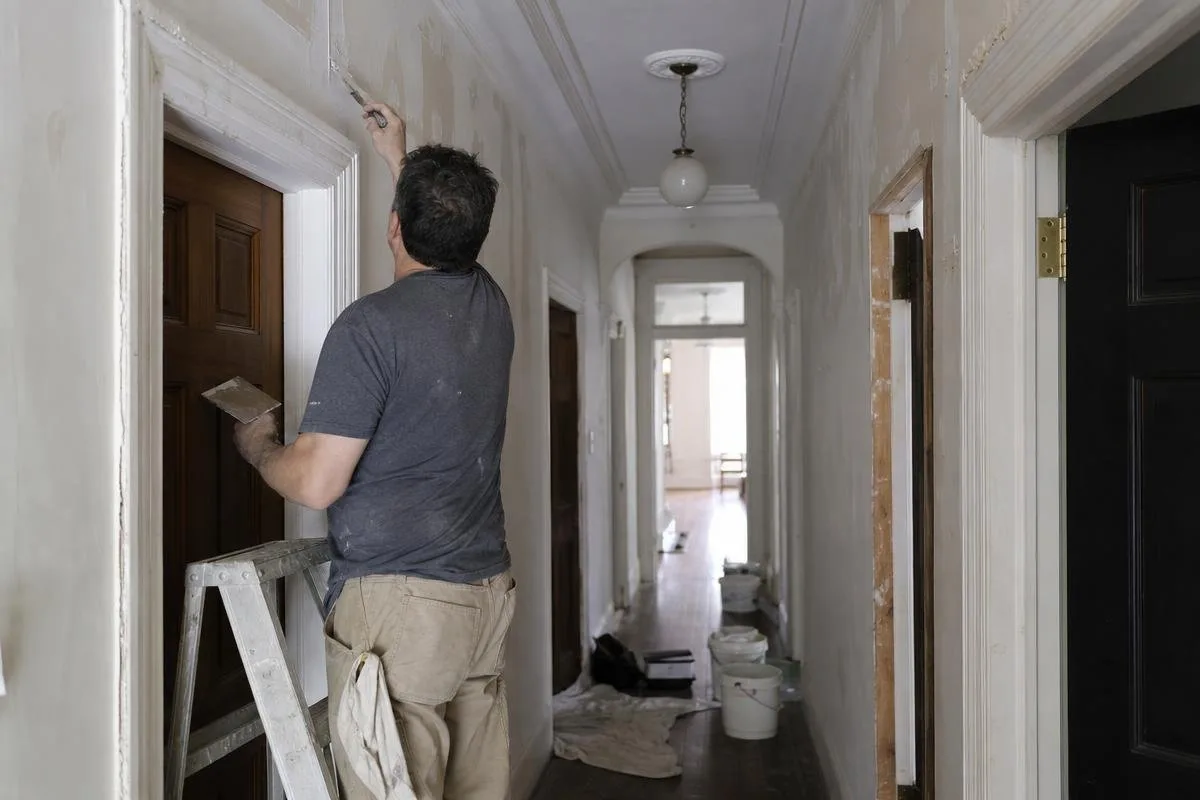
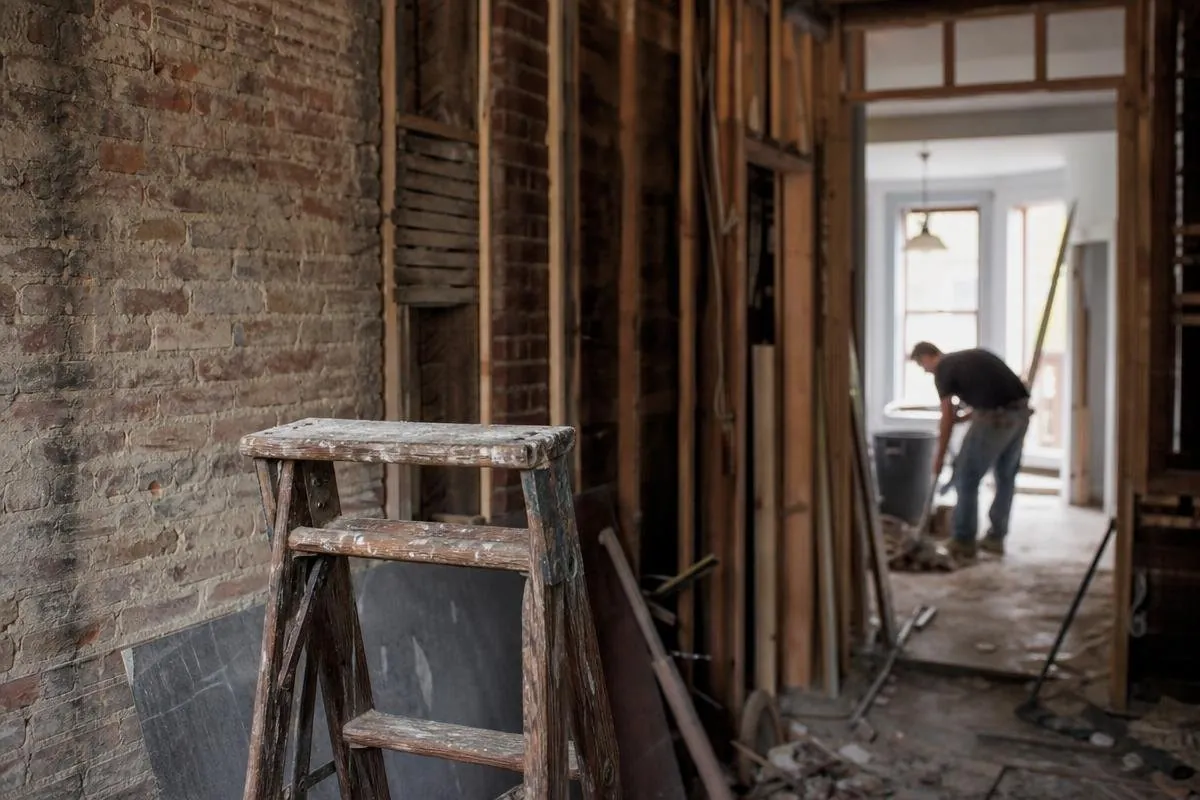
Older apartments combine original construction with decades of repairs. A clean-looking room may still conceal plaster and lath, aging wiring, irregular framing, shared plumbing, or previous alterations. Planning must address the apartment, the building, and the route materials and debris will take through common areas.
Before demolition, define the scope, gather building documents, identify regulated work, and separate urgent repairs from finish upgrades. Apartment Renovation in Brooklyn should begin with those facts rather than product selections.
What Should You Inspect Before Renovating a Pre-War NYC Apartment?
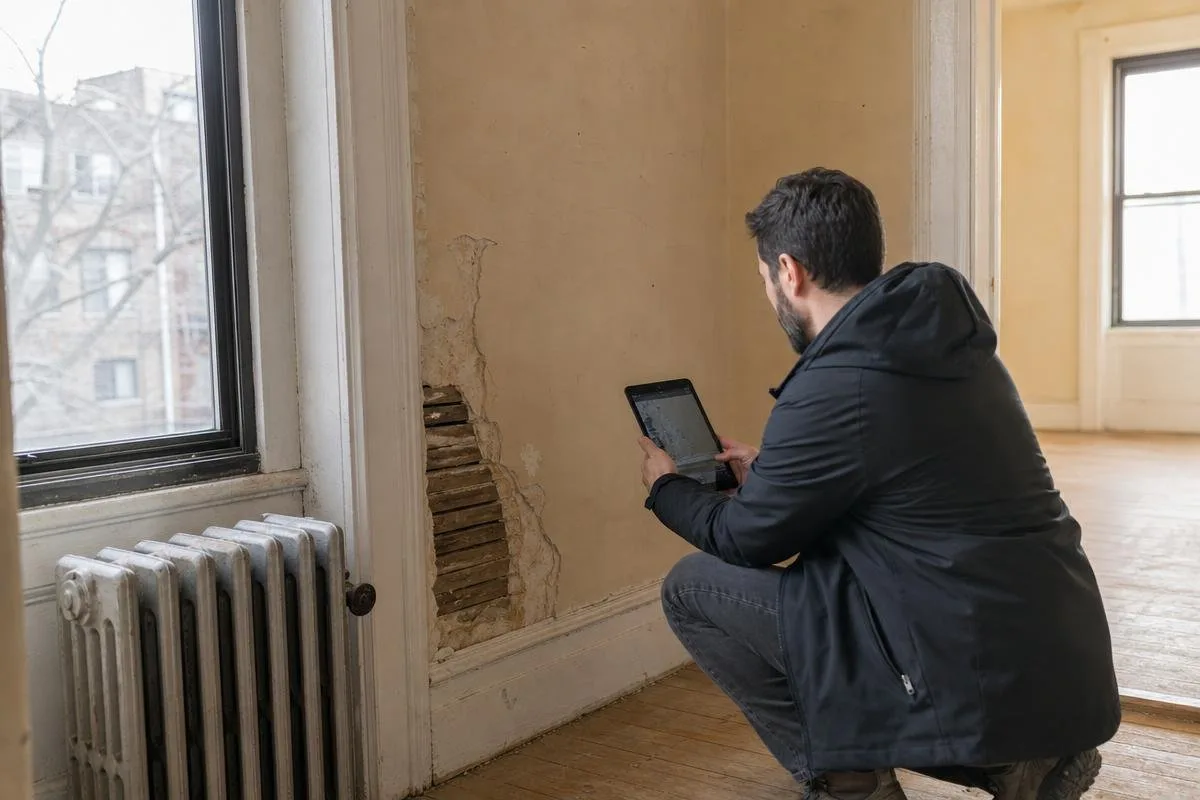
Start with an existing-condition review. Photograph visible problems, collect available records, and identify systems or proposed layout changes that need professional evaluation.
Document What You Can See Before Planning Finishes
Record cracks, water stains, floor slopes, radiators, windows, electrical panels, plumbing fixtures, original trim, and prior patchwork. Correct active water, drainage, or electrical problems before investing in new finishes.
Collect Records That Can Shape the Scope
Ask for prior alteration agreements, approved plans, maintenance records, open-work documents, invoices, warranties, and inspection information. Co-op and Condo Renovation in NYC requirements should be reviewed before the schedule is set.
How Does Pre-War Construction Change a Renovation?
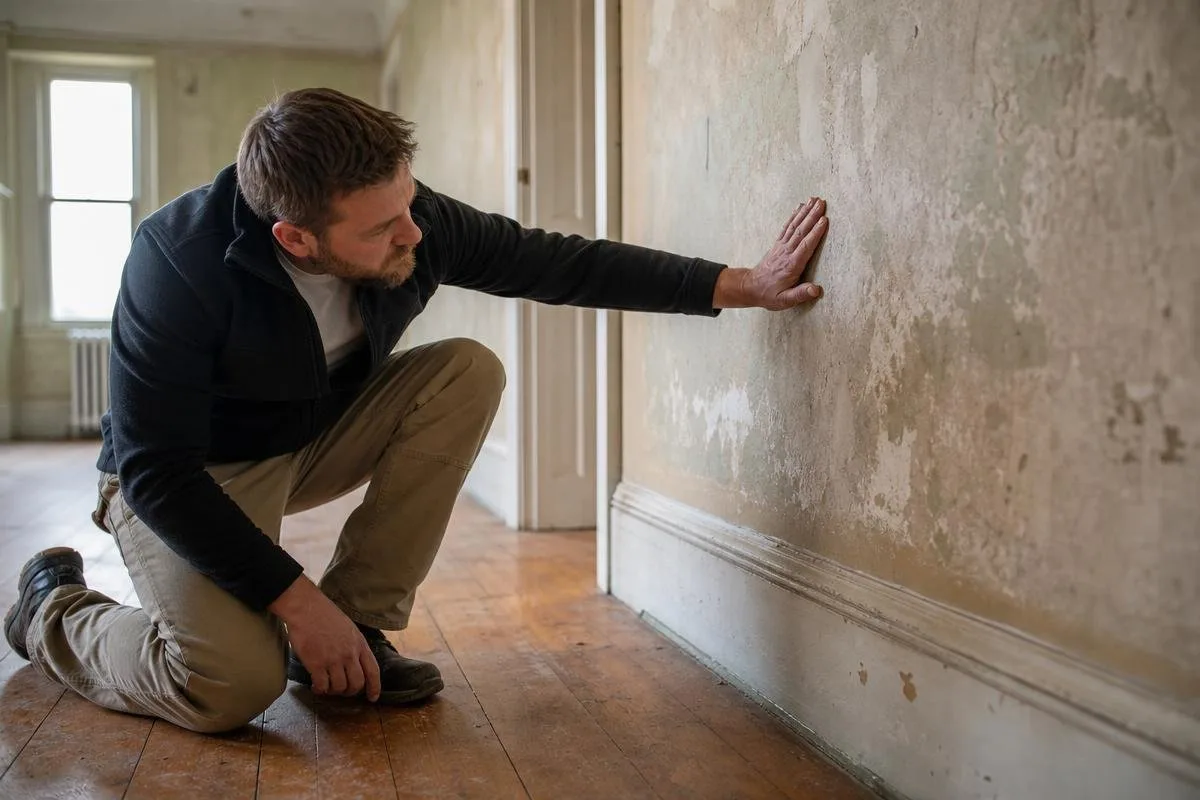
Original plaster, masonry partitions, uneven floors, shared risers, and legacy wiring can affect demolition, layout, and finish installation. Selective investigation can clarify the scope before full construction begins.
Walls and Floors Need Investigation Before Demolition
A wall may contain wiring, plumbing, a flue, or structural support even when it appears removable. Floors may need subfloor repair, leveling, sound-control underlayment, and careful transitions at original thresholds.
Kitchen and Bathroom Layouts Depend on Existing Building Systems
Kitchens and bathrooms are often constrained by shared water, waste, vent, electrical, and ventilation routes. Wet-over-dry restrictions may also limit where fixtures can move. Confirm feasibility before ordering cabinets or plumbing fixtures.
Do You Need DOB Approval for a Pre-War Apartment Renovation?
Requirements depend on the scope and building. Structural, plumbing, electrical, gas, mechanical, or other regulated work may require professional involvement, filings, permits, inspections, or licensed trades.
Building Approval and DOB Filing Are Different Requirements
Co-op approval does not replace a DOB filing, and a DOB filing does not replace building approval. An alteration package may include drawings, insurance certificates, licenses, work dates, access plans, and deposits.
Follow the Right Sequence Before Protected Work Starts
Define the scope, prepare required plans and documents, receive applicable approvals, reserve building access, install common-area protection, and then begin work within approved hours. General Contractor services in Brooklyn can help coordinate those requirements.
Use a Renovation Checklist for the First 90 Days After Closing

The first 90 days can reveal how the apartment and shared systems perform. Use that time to separate active failures from cosmetic priorities.
First 48 Hours and Week One
Locate shutoffs, the electrical panel, alarms, emergency contacts, access rules, and fire-exit information. Photograph existing walls, ceilings, floors, windows, stains, plumbing fixtures, and visible repairs.
Day 30, Day 60, and Day 90 Priorities
By day 30, check outlets, windows, radiators, ventilation, drains, and signs of water. By day 60, confirm repairs held and organize records. By day 90, decide whether the remaining work is a repair, refresh, or coordinated renovation.
Choose Between Repairing, Refreshing, or Fully Renovating
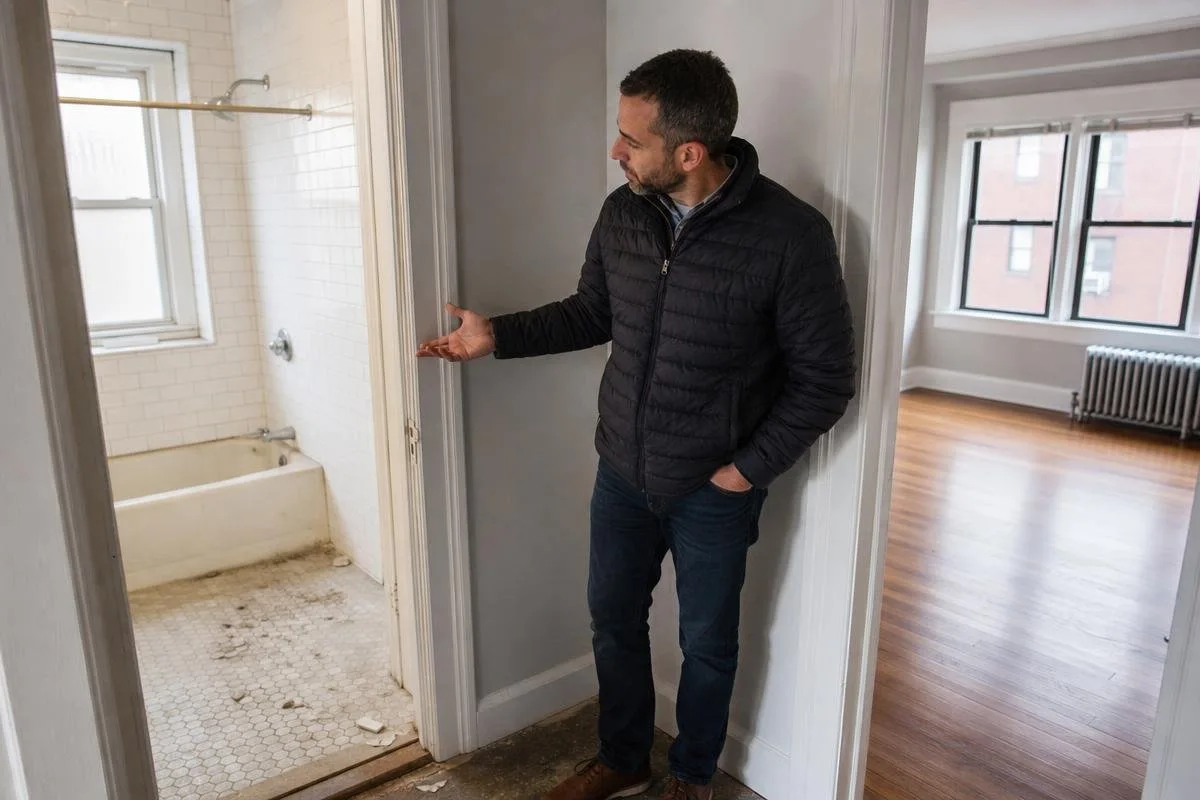
The right scope depends on the failure, building rules, budget, and ownership plan. A pre-war project does not always require removing everything to the structure.
Repair a Specific Failure
Repair work corrects a defined problem such as damaged plaster, leaking fixtures, unsafe outlets, or water-damaged flooring without opening unaffected rooms.
Refresh Visible Conditions
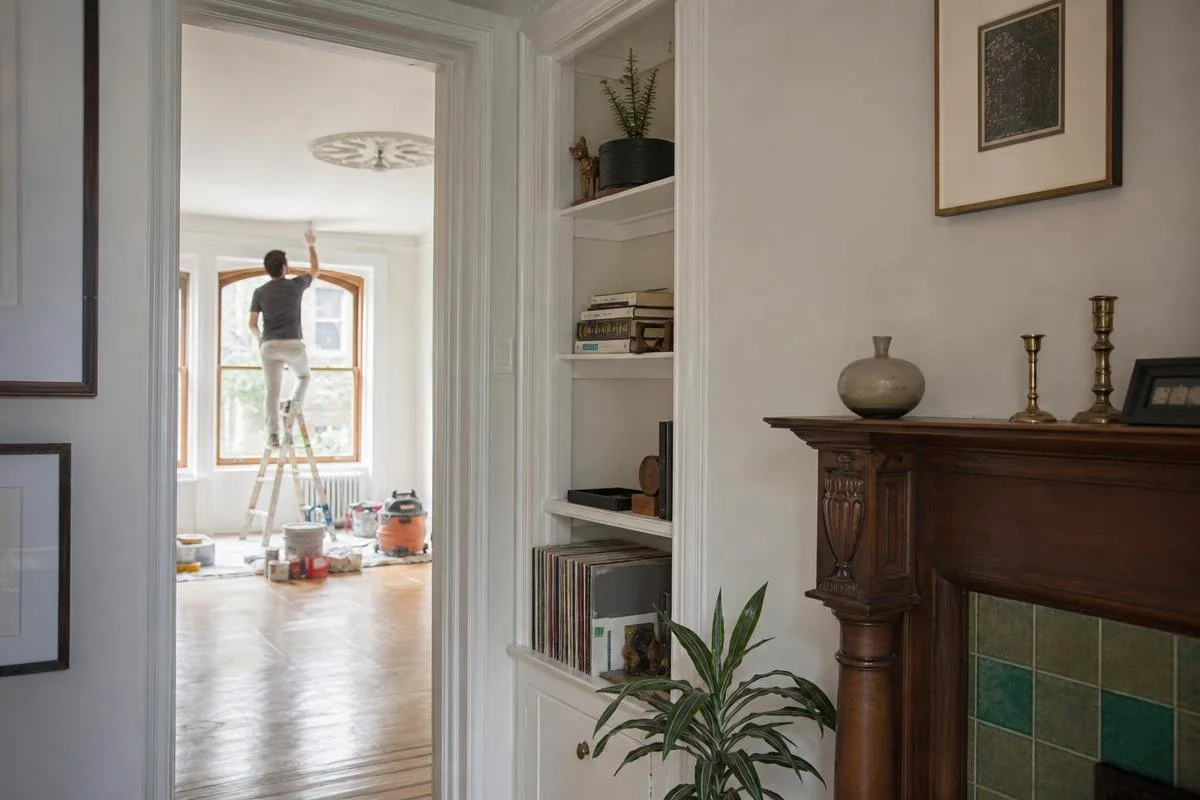
A refresh can include paint, lighting, flooring, hardware, and bathroom finishes when layouts and major systems remain workable. Painting Services in NYC can address worn walls after the underlying cause of damage is corrected.
Choose a Gut Renovation When Systems and Layouts Need to Change Together
A gut renovation coordinates demolition and reconstruction when plumbing, electrical work, walls, kitchens, bathrooms, and damaged surfaces need to change together. Review Gut Renovation in NYC before scheduling demolition.
Brooklyn Pre-War Apartments Need a Building-Specific Plan
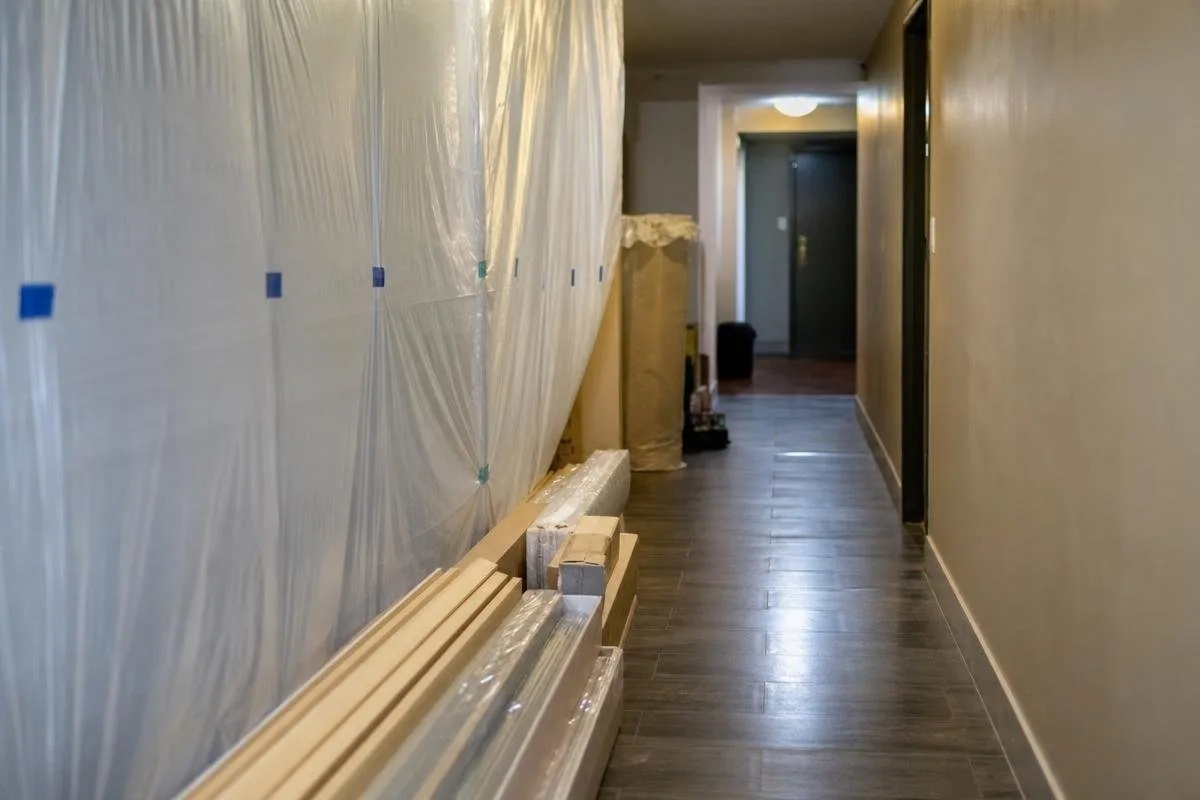
Access, stair width, elevator rules, management requirements, and shared systems vary by building. A plan that works in one Park Slope co-op may not work in the next.
Match the Plan to the Apartment, Access Route, and Building Rules
Confirm delivery windows, freight-elevator or stair access, staging, debris routes, work hours, notices, and floor or wall protection before materials are ordered.
Protect Original Details and Shared Spaces
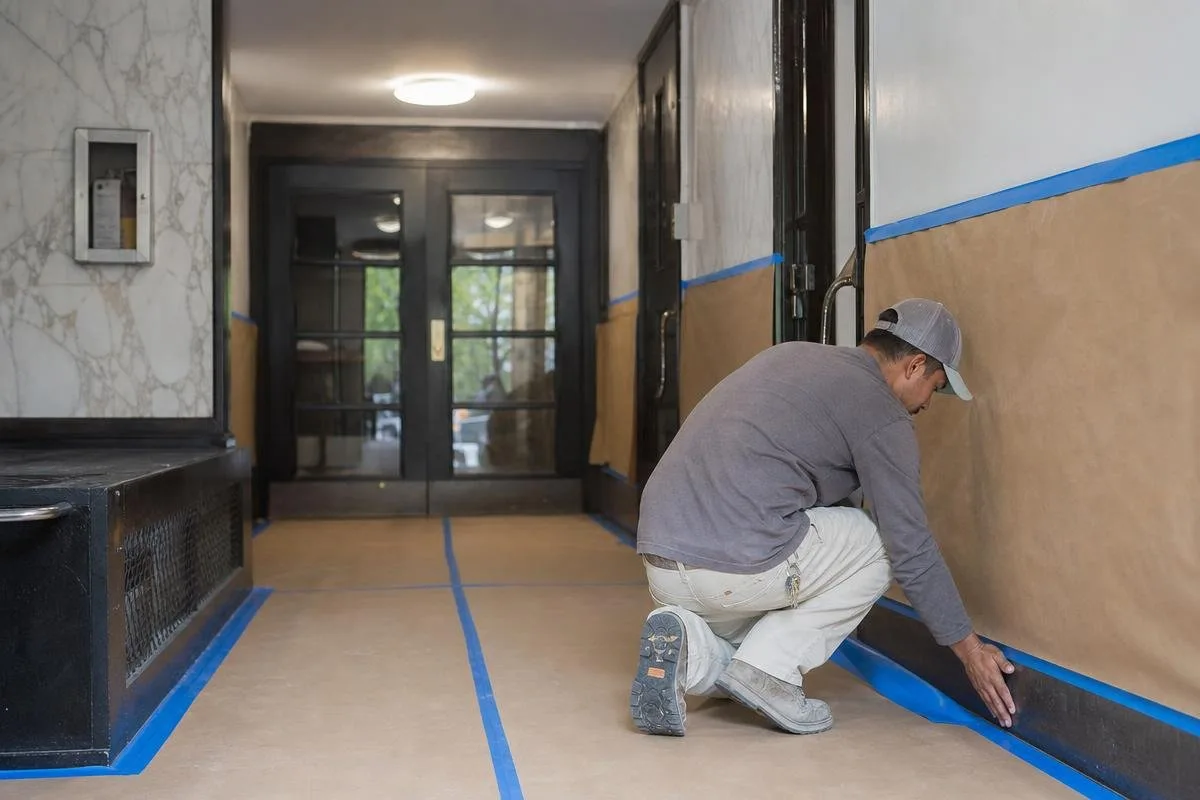
Document and protect original trim, plaster, wood floors, and doors before demolition. Use appropriate floor covering, dust containment, elevator protection, controlled debris routes, and daily cleanup in shared spaces.
Frequently Asked Questions
What Should I Inspect Before Renovating a Pre-War Apartment?
Inspect water staining, cracks, floor movement, windows, radiators, outlets, and plumbing fixtures. Ask management about shared systems, past leaks, and access restrictions.
Do I Need a Permit for My Apartment Renovation?
Requirements depend on the work, and building approval is separate from agency filing. Plumbing moves, electrical changes, structural work, or other regulated scope may require additional review.
How Early Should I Start the Co-op Approval Process?
Start once the scope and contractor documents are defined. The submission may require insurance, drawings, work hours, elevator reservations, and protection plans.
Plan Your Pre-War Apartment Renovation with Melani General Contractor
Call (718) 283-4154 to discuss your apartment, building requirements, and renovation priorities. Melani General Contractor is located at 343 4th Ave, Brooklyn, NY 11215.
Planning a Project in NYC?
Melani General Contractor is licensed, insured and based in Park Slope, working across all five boroughs.