For NYC property managers, the line between building maintenance and full renovation is not always obvious. A building assessment can help determine whether routine upkeep is appropriate or whether a larger renovation scope should be considered.
We are based at 343 4th Ave, Brooklyn, and we bring that hands-on local knowledge to every building we assess. Not sure if your building needs maintenance or a full renovation? Let's take a look.
Key Takeaways
- Routine building maintenance can help reduce the risk of HPD violations and make repair costs more predictable for NYC landlords.
- Older buildings with aging plumbing infrastructure or original wiring often cross the threshold from maintenance into renovation faster than owners expect.
- Co-op renovation requirements vary by building, so review the alteration package before work begins.
- A licensed general contractor can assess whether a failing system needs repair or full replacement before you commit to either budget.
What Building Maintenance Actually Covers in a NYC Property
Building maintenance in a NYC property covers three categories: routine/preventive, reactive, and corrective maintenance. Each one has a different trigger, a different scope, and a different cost profile. Knowing which category a task belongs to is the first step toward making a sound decision.
Routine and Preventive Maintenance
Preventive maintenance is scheduled work done before something fails. In older NYC buildings, preventive work can include boiler checks, roof-drain cleaning, masonry review, and electrical safety checks as appropriate for the property. These are recurring tasks aimed at stopping failure before it happens.
In buildings with older supply lines and shared risers, preventive plumbing and electrical review can help identify issues early. Skipping a scheduled inspection can turn a manageable issue into an expensive emergency. Our guide on building repairs covers exactly this pattern.
Reactive Maintenance
Reactive maintenance is the response to failure after it occurs. A burst pipe in a shared riser. A boiler that dies in January. A broken lobby door lock. These require immediate action.
HPD violations and correction requirements can create urgent obligations for multi-family properties. Confirm the applicable requirements for your building and situation. When reactive situations escalate, our team handles emergency building repairs in NYC to stop the damage fast.
Corrective Maintenance and the Line Between Repair and Renovation
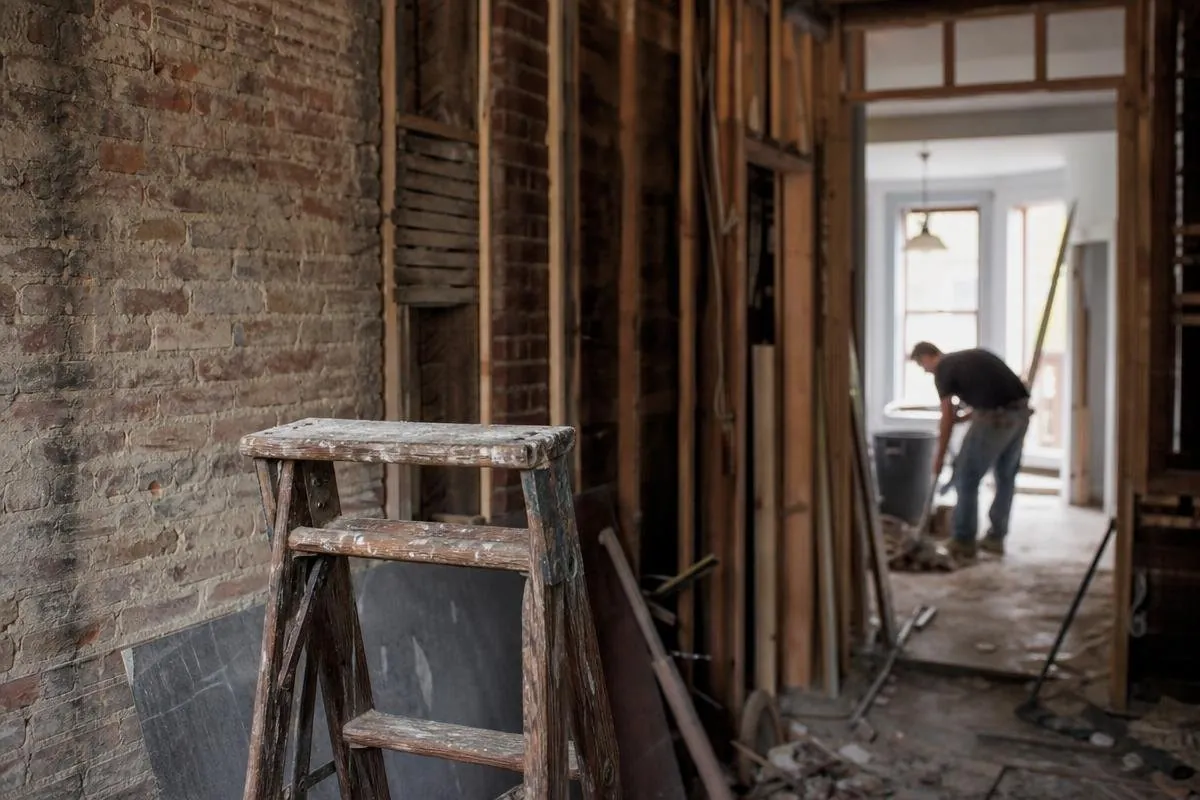
Corrective maintenance addresses a known defect before it worsens. But scope determines whether it stays in maintenance or crosses into renovation territory. One cracked tile in a bathroom is maintenance. A subfloor saturated for two years behind that tile is a renovation.
The same logic applies to windows. One unit with a drafty sash is a repair. Every window in a six-unit building with rotted frames is a systemic failure. Root cause and scale draw the line. When the root cause is systemic, the work that follows it usually is too.
Five Criteria NYC Property Managers Use to Make the Decision
Age and Condition of the System
A system near the end of its service life may call for an assessment. Older cast iron plumbing stacks with recurring leaks may also warrant an assessment for replacement rather than another isolated repair. Older wiring should be assessed by a qualified professional to determine the appropriate repair or upgrade scope. Repeated failures can indicate that a broader replacement plan should be considered.
Cost-to-Value Ratio
When a repair consumes a substantial share of the cost of replacement, compare the system condition, projected service life, and scope before deciding. Apply the same math to windows with failed glazing seals across an entire building. Replacing one unit is maintenance. Replacing all of them is a renovation project, and the budget should reflect that from the start.
DOB Permit Triggers That Turn Maintenance Into Renovation
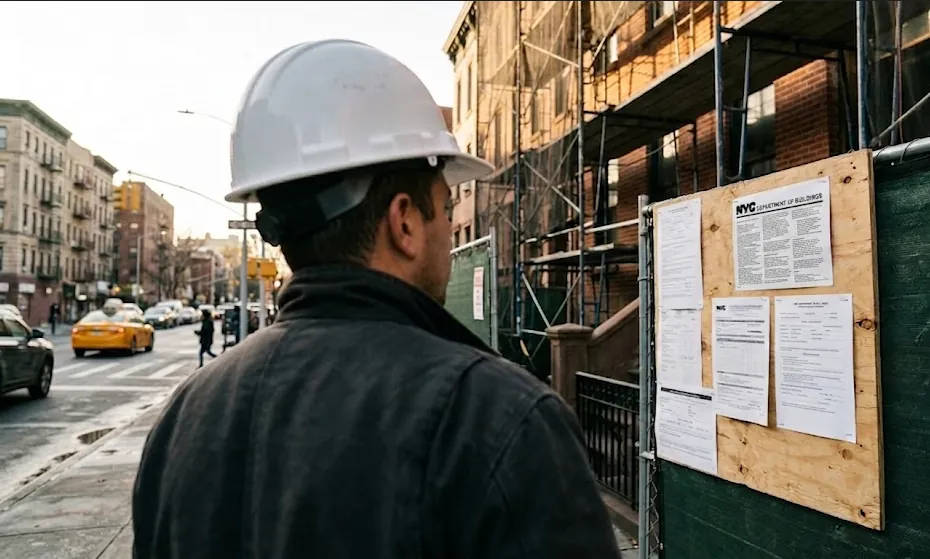
Property managers should confirm the requirements that apply to their building and project scope. Permit requirements vary by scope, building, and work type. Confirm filing requirements with the appropriate licensed professional before starting work. Understanding why NYC DOB inspections fail before you start work is far cheaper than learning after.
Tenant Occupancy and Habitability Constraints
Maintenance can be done unit by unit with minimal disruption. A gut renovation may require the unit to be vacant, depending on the work scope and building requirements. In occupied multi-family homes, tenant access, notices, and habitability considerations can affect whether work should be phased. Confirm the applicable requirements before setting a project schedule.
Building Type and Structural Constraints
Building type, shared structural elements, and project scope can affect renovation planning. Confirm co-op, landmark, and filing requirements for the individual property before work begins. For a brownstone renovation in Brooklyn, structural constraints from shared party walls can make what looks like a simple interior project significantly more complex. Know your building type before you set a budget.
Need a system assessment before you commit to a budget? We'll walk your building and tell you exactly where the maintenance-to-renovation line sits.
Which Building Systems in NYC Most Often Cross Into Renovation Territory
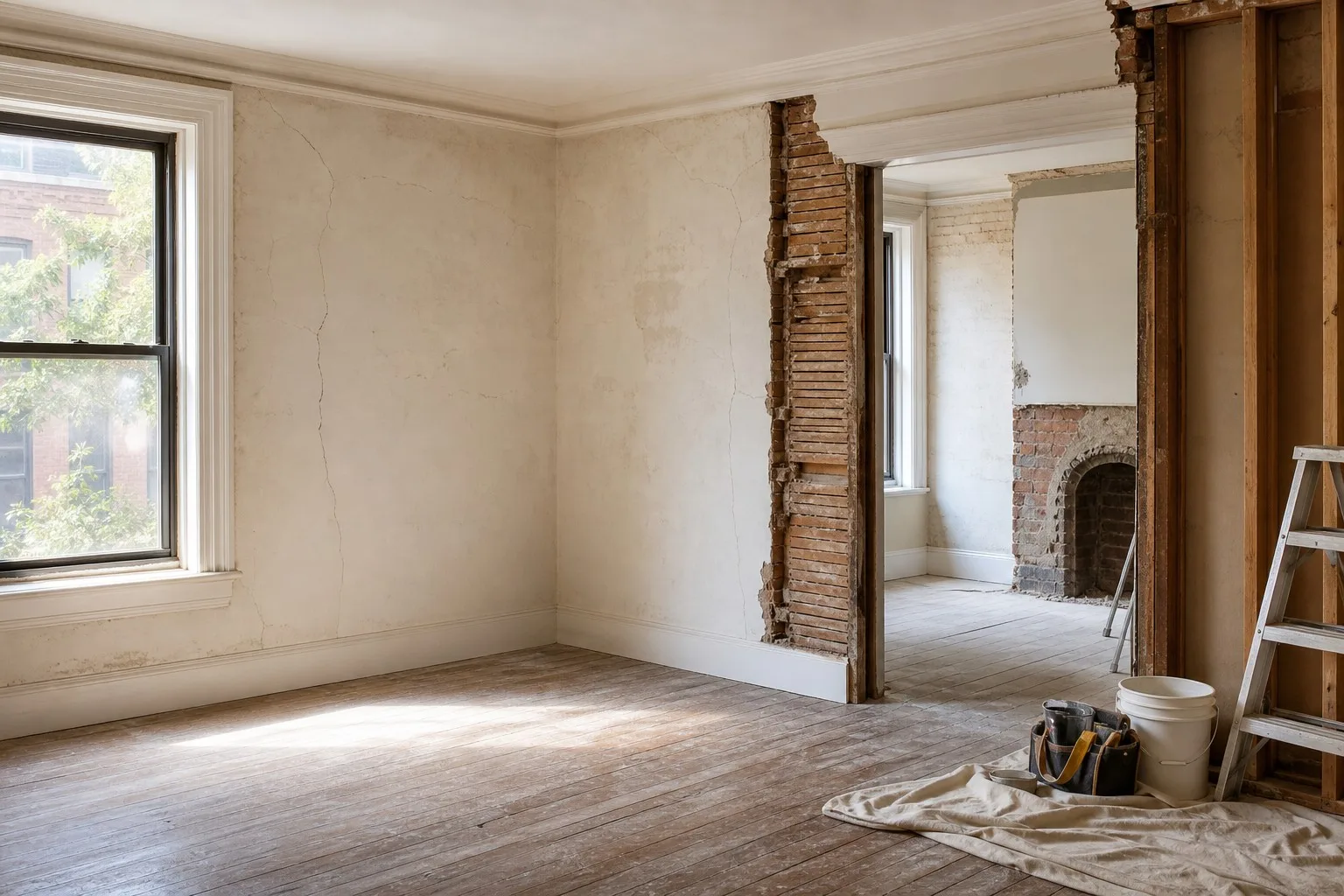
Some building systems tolerate maintenance indefinitely. Others have a hard ceiling where repair stops being viable and replacement becomes the only responsible call. In older buildings, recurring defects can indicate that a broader assessment is needed. Below are the systems where the line gets crossed most often.
Plumbing: From Fixture Repairs to Full Stack Replacement
Replacing a faucet or clearing a slow drain is maintenance. Replacing an original waste stack or repiping galvanized steel supply lines is a renovation. The diagnostic signals for galvanized pipe failure are specific: low water pressure at upper floors and discolored water at first draw. Galvanized steel corrodes from the inside out, narrowing the pipe bore over decades until flow is restricted and sediment becomes a health concern.
In multi-family buildings served by shared plumbing risers, the scope changes immediately. One failing section of a riser affects every unit above and below it. What starts as a plumbing repair on the third floor becomes a building-wide project requiring coordination across units, DOB notification, and in co-op buildings, alteration agreement sign-off.
Electrical: When a Panel Swap Becomes a Full Upgrade
Cloth wiring and 60-amp service panels are maintenance dead ends. An electrician can replace a failed breaker, but a 60-amp panel in a building wired before modern appliances cannot safely carry today's electrical load. The panel likely needs full replacement and consultation from a NYC Licensed Master Electrician.
NYC Department of Buildings electrical inspection requirements can trigger this finding, turning a routine inspection into a capital project. Our electrical services cover the full scope, from panel replacement to circuit upgrades.
Facades and Roofing: Local Law 11 and Beyond
Facade and roofing conditions should be assessed based on the building condition and the applicable inspection, engineering, and filing requirements. A qualified professional can determine whether repair or replacement is appropriate.
Common Areas: Deferred Maintenance That Becomes a Renovation Project
Cracked tile, damaged wainscoting, failing intercom systems, and worn stair treads are each maintenance items in isolation. Address them all at once and the scope crosses into a hallway, lobby, and common area renovation that may require DOB filing and co-op board approval. The gap between a maintenance call and a renovation project is not always obvious until the full scope is on paper.
What Deferred Maintenance Actually Costs NYC Property Owners
Deferred maintenance is not a savings strategy. It is a liability that compounds. Property managers who treat building maintenance in Brooklyn as optional until something breaks are accumulating risk.
HPD Violations and the Real Dollar Exposure
HPD requirements, violation classifications, and correction obligations vary by circumstance. Confirm the current requirements that apply to your property before making a maintenance decision.
The financial impact can increase when a violation and repair work remain unresolved. Our post on 8 building repairs NYC landlords should never delay covers the specific systems that generate this kind of exposure most often.
Property managers who read violation history as a maintenance log are underestimating their position. Uncorrected HPD violations may result in civil penalties, depending on the violation class, correction requirements, and circumstances. Preventive maintenance on NYC buildings closes those entries before they open.
How Small Failures Cascade Into Major Renovation Scope
Deferred maintenance can allow water intrusion and other damage to expand beyond the original repair area. A routine drain issue can become a much larger repair when water damage reaches finishes or building systems. That outcome is the logical endpoint of skipped preventive maintenance, and it is exactly the kind of work we handle as a gut renovation in Brooklyn.
The gap between a maintenance task and a renovation project is not always obvious until water has already moved through a wall.
If deferred repairs are stacking up in your building, call us at (718) 283-4154 before a maintenance item becomes a full renovation scope.
How NYC Property Managers Can Structure a Maintenance-to-Renovation Plan

A maintenance plan without a renovation trigger is just a to-do list. The property managers who stay ahead of costly surprises in older Brooklyn-area buildings treat annual inspections as a formal decision tool, not a formality. Done honestly, that inspection cycle surfaces renovation-scope issues on a predictable schedule, which means you can budget for them instead of reacting to them.
Annual Inspection Checklist for NYC Buildings
These are common systems to review regularly based on the building condition, maintenance plan, and applicable requirements:
- Roof drains and membrane conditions, inspect these pre-winter; blocked drains cause interior water damage fast in freeze-thaw cycles
- Boiler and heating system review based on the building condition and applicable requirements
- Facade and parapet review based on the building condition and applicable inspection requirements
- Fire suppression systems reviewed according to the building maintenance plan and applicable requirements
- Elevator annually, per NYC Department of Buildings requirements
- Review common-area electrical systems annually; older buildings in this neighborhood frequently carry cloth wiring in shared corridors
- Unit interiors annually, with proper tenant notice; this is where cast iron plumbing stacks and aging branch lines get caught before they fail
Phasing Renovation Around Occupied Units
In an occupied two- or three-family home, plan work sequencing around tenant access and the project conditions. Start systems work, including plumbing and electrical, in vacant units or common areas first. Then move to unit-by-unit apartment renovations in Brooklyn as leases turn over. This can be a legal and logistical consideration in occupied multi-family buildings.
Why a Single General Contractor Changes the Equation
Using separate vendors for plumbing, electrical, carpentry, and painting costs you coordination, accountability, and schedule control. When something goes wrong, each sub points at the others. A general contractor can coordinate multiple trades under one project plan. Confirm the contractor's relevant experience, licensing, and project scope before work begins.
That range matters when a building needs both maintenance and renovation work managed as one project. For property managers who want a single point of accountability, general contracting in NYC, structured this way, can save time and reduce risk at every phase while improving coordination and accountability.
NYC Building Conditions That Can Change the Calculation
The maintenance-versus-renovation question depends on the building age, systems, occupancy, and project scope. Older rowhouses and post-war apartment buildings can have different systems, access constraints, and renovation considerations.
Pre-War Rowhouses and Brownstones
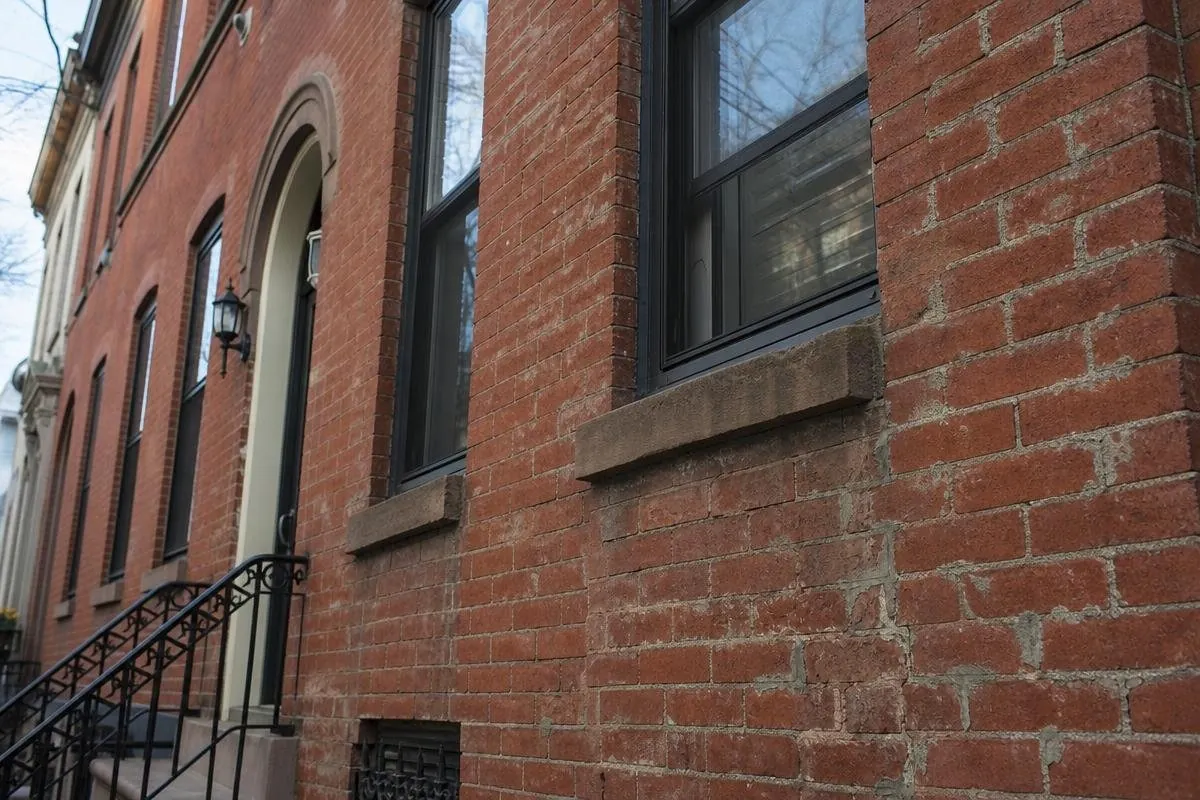
Older rowhouses and brownstones can have shared structural elements and aging systems that need to be assessed before renovation work begins.
For these buildings, cosmetic maintenance is straightforward. But the moment a repair touches structure, plumbing, or electrical, renovation scope opens up fast. Our team handles this regularly through brownstone renovation in Brooklyn, where a “simple” plumbing fix often reveals a full stack replacement.
Post-War Brick Apartment Buildings
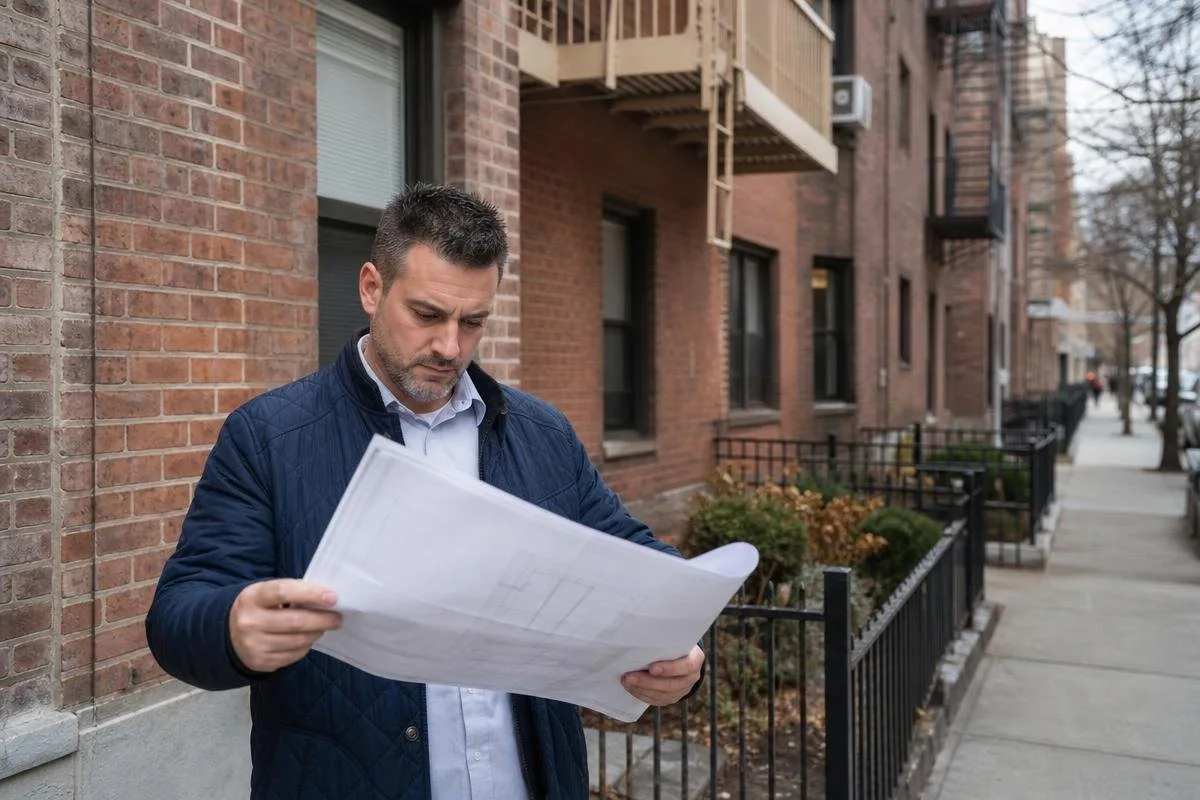
Brick apartment buildings can present a different set of maintenance and renovation considerations. Centralized boiler systems, elevator shafts, and larger common areas mean building-wide failures when one system goes. Older windows may require assessment when recurring repair needs affect the building. When failures become building-wide, the scope crosses into a replacement project requiring a NYC Department of Buildings filing.
These buildings are also more likely to be co-ops. That means many renovation work requires alteration agreement approval from the board before a contractor sets foot in the unit. Confirm the building's requirements with its managing agent of board. If you are managing that process, our guide on working with NYC managing agents covers exactly what to expect.
Frequently Asked Questions
What is the difference between building maintenance and renovation in NYC?
Building maintenance generally addresses recurring repairs and upkeep, while renovation may change systems, layout, or use. Confirm permit requirements based on the individual project scope.
What work in Brooklyn requires a DOB permit versus what does not?
Permit requirements depend on the work scope and property. Confirm the required filings with the appropriate licensed professional before beginning work.
How do I know when a gut renovation is more cost-effective than ongoing repairs?
When multiple systems show significant damage or repeated failure, a building assessment can help compare a larger renovation scope with phased repairs.
Can a general contractor handle both maintenance and renovation work?
A qualified contractor may coordinate maintenance and renovation work, subject to the project requirements, credentials, and applicable rules.
What are the most common HPD violations in Brooklyn multi-family buildings?
HPD requirements and common violation categories can vary by property and circumstances. Some HPD violations can require prompt action. Confirm the applicable classification and correction requirement for the property.
How much does building maintenance cost for a NYC multi-family property?
Maintenance and renovation costs depend on the building systems, conditions, access, permits, and scope. Get a building assessment before committing to a budget.
If a system in your building keeps needing the same repair, or deferred work has been stacking up across multiple units, the right next step is a walkthrough before you commit to a scope. Melani General Contractor has worked on pre-war rowhouses, post-war co-ops, and everything in between across the borough for over two decades. Call us at (718) 283-4154 or visit us at 343 4th Ave, Brooklyn, NY 11215 to schedule a building assessment. We will tell you straight whether you are looking at a maintenance call or a renovation project, and what it will actually take to get it done right.
Ready to Get Started with Melani General Contractor?
Call (718) 283-4154 to speak with our team directly. We're ready to answer your questions, walk you through your options, and help you find the right solution for your needs. Whether you're just starting to plan or ready to move forward, we'll make the process simple and stress-free. Reach out today and let's talk about how we can help.
Planning a Project in NYC?
Melani General Contractor is licensed, insured and based in Park Slope, working across all five boroughs.