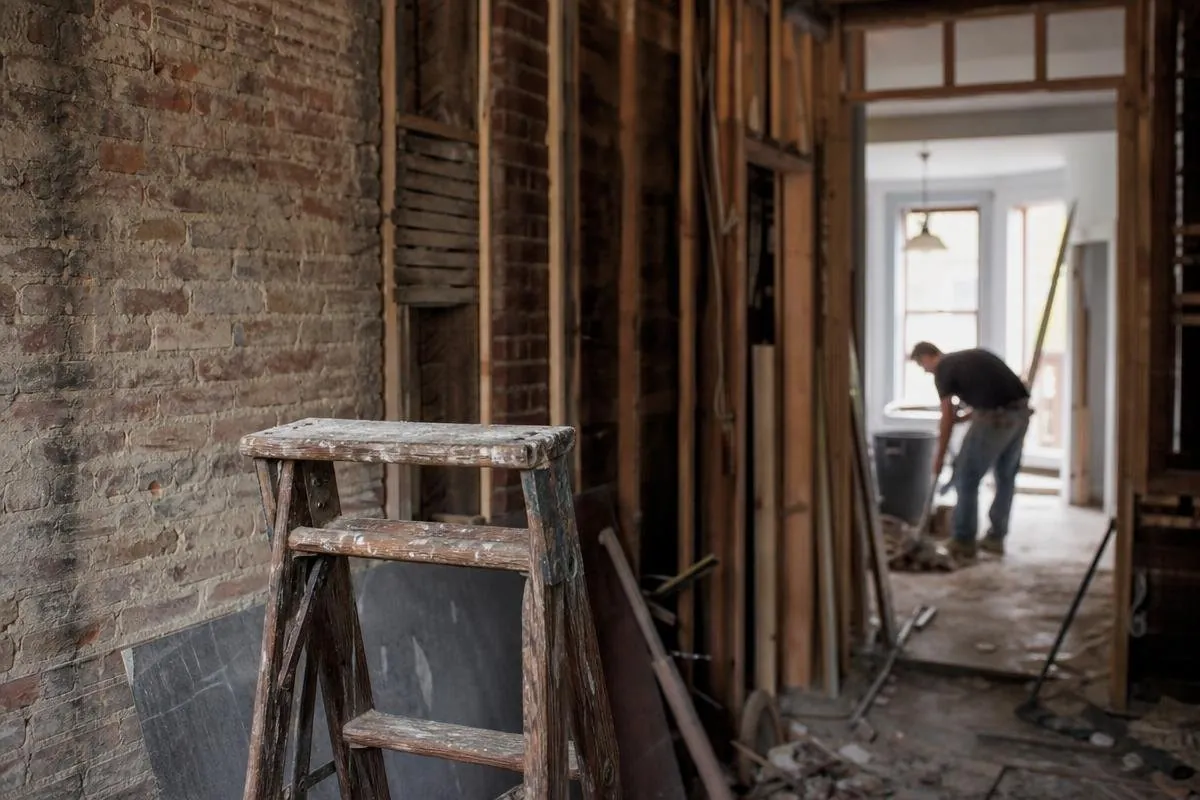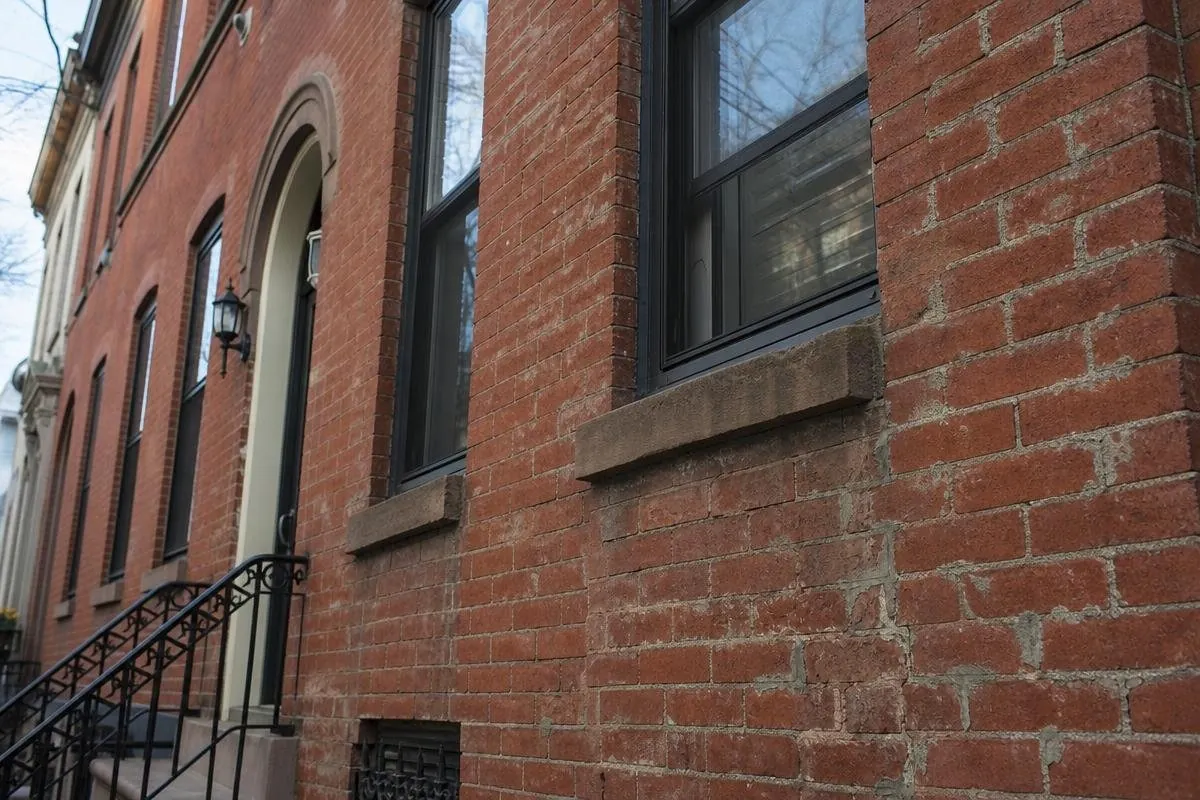
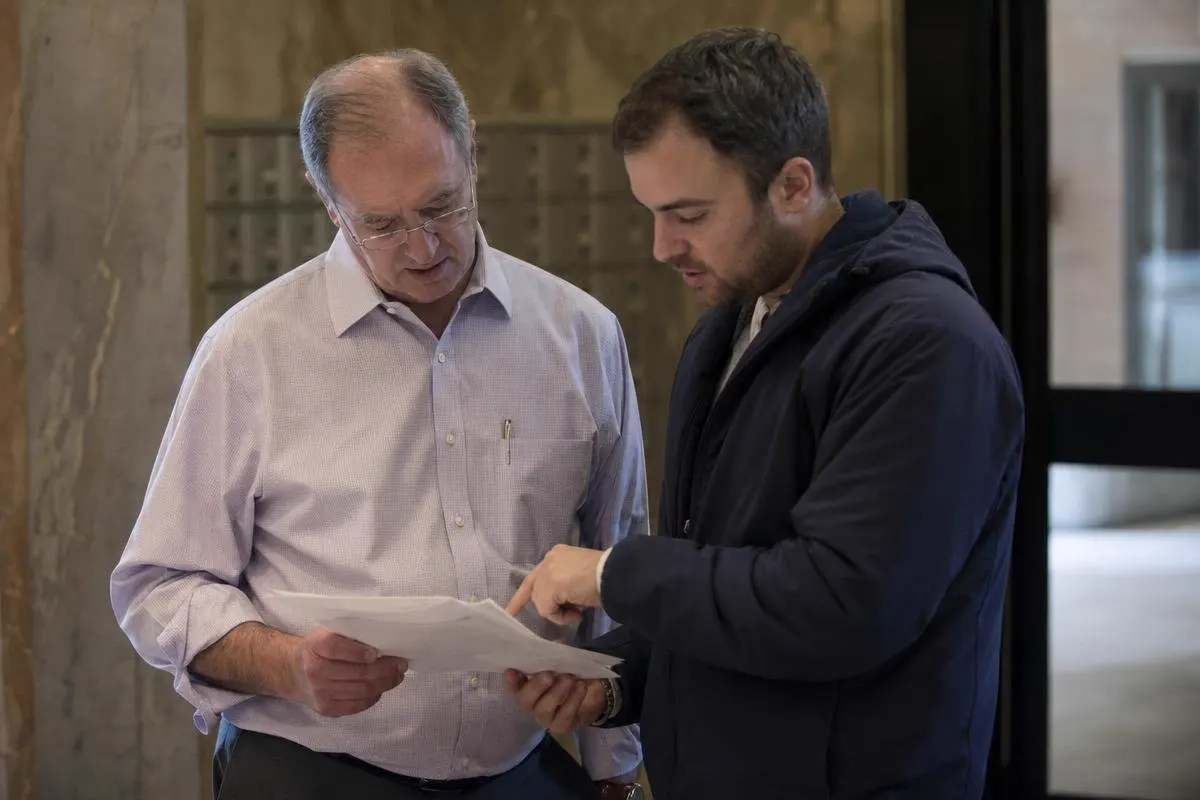
In Brooklyn's dense co-op and condo market, managing agents control the gate. Before a contractor can touch a wall in most buildings constructed before 1940, the managing agent has to approve the scope, review the insurance certificates, and sign off on the alteration agreement. Get that process wrong and the job stalls before it starts.
Below, we cover exactly what managing agents require from contractors in NYC, how those requirements differ from standard DOB compliance, and how to keep renovation projects moving through the approval process without delays. Working on a co-op or condo project in Brooklyn? Let's talk through the approval process before you break ground.
Key Takeaways
- Managing agents in NYC act as the first approval layer before any DOB permit work begins in co-op or condo buildings.
- Most alteration agreements require contractors to submit proof of insurance, a detailed scope of work, and active DOB permit numbers.
- Brooklyn's older co-op inventory means mid-project scope changes are common, and managing agents must approve change orders in writing.
- Working with managing agents is a distinct skill set that is rarely encountered in markets outside NYC.
The Phone Call That Changes Every Co-op Bid
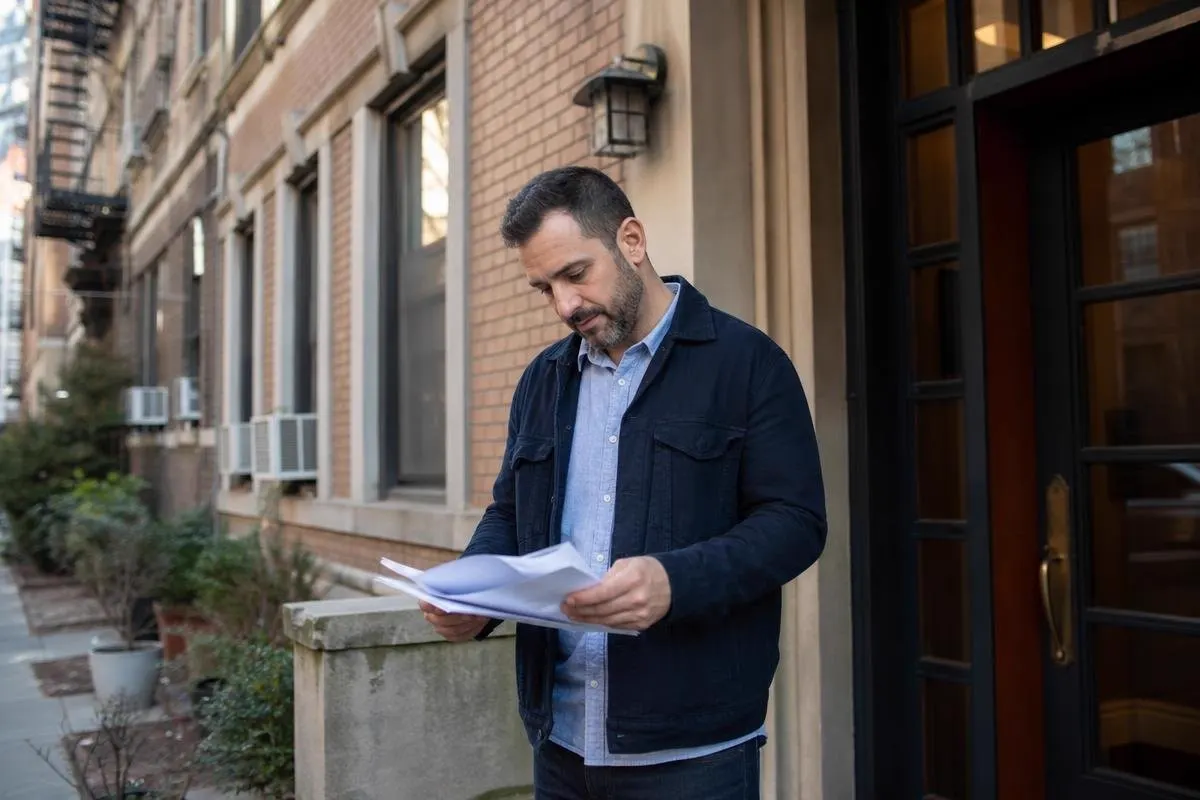
You call back on a bid. The property owner in Park Slope says the scope is approved, the budget is set, and they want to start in three weeks. Then they add one sentence: “You'll need to submit everything to the managing agent first.” That sentence changes everything.
This is not an edge case. In NYC, managing agents control access, approvals, and scheduling for co-ops, condos, and many multi-unit rental buildings. The density of legacy building stock across the borough means contractors encounter this on nearly every multi-unit job. Mishandle the relationship and the project stalls before a single tool is unpacked. Some jobs never recover.
At Melani General Contractor, based in Park Slope, our team has assembled and cleared alteration packets with management companies across co-ops, condos, and brownstones throughout the five boroughs, and the pattern is consistent: the paperwork decides the start date.
What follows covers what managing agents are, why they hold real authority in NYC, what documentation they require, and how to navigate approval processes without losing your timeline.
What a Managing Agent Is, and What They Are Not
Contractors new to NYC renovation work often use “managing agent,” “property manager,” and “super” interchangeably. That mistake costs time. Submitting documents to the wrong person can push a project start back by weeks, and in a co-op or condo building, weeks matter.
The Legal Role of a Managing Agent in NYC
Under New York Real Property Law, a managing agent is a company or individual retained by a board or landlord to administer building operations, vendor relationships, financials, and regulatory compliance. In practice, this means the managing agent holds delegated authority from the board to approve or reject renovation applications, review contractor insurance, and enforce the building's alteration agreement.
This is not an informal role. It is a legal designation with real authority over whether your project gets a green light. In NYC, this role is almost always filled by a specialist property management company, not a single individual. Firms operating across Brooklyn often oversee large portfolios of older co-op buildings and are experienced, exacting reviewers. They have seen every shortcut contractors try to take, and they reject incomplete submissions without a second look.
Managing Agent vs. Property Manager vs. Super: The Practical Difference
These three roles exist at different levels of authority. Conflating them is one of the most common contractor errors on NYC building projects:
- Managing agent: The management company or designated principal with board-delegated authority. Approves renovation applications, reviews certificates of insurance, and serves as the board's liaison. This is where your alteration agreement and COI go.
- Property manager: The day-to-day contact person within the management company. Handles communication and coordinates between the contractor and the managing agent. Not the final approval authority.
- Superintendent: On-site building staff. Controls elevator scheduling, enforces building rules, and provides access. Has no authority over renovation approvals.
Done correctly, a contractor submits all documentation directly to the managing agent or property manager, confirms receipt, and waits for written approval before mobilizing. Done without that step, work can be stopped on day one regardless of whether a NYC DOB permit has been issued. The permit and the managing agent approval are separate requirements. Both are mandatory.
Why Managing Agents Hold More Power in NYC Than Anywhere Else
NYC managing agents hold more authority than their counterparts elsewhere because the co-op structure delegates board-level renovation approval power to them. In most U.S. cities, a property owner hires a contractor, pulls a permit, and the work begins. NYC operates differently. The co-op and condo structure here creates an oversight layer that is uncommon in most other markets. Understanding why is not optional for any contractor working in this city.
The Co-op and Condo Structure That Creates This Dynamic
New York City has a higher concentration of co-op buildings than any other city in the country. Significant older co-op inventory runs through DUMBO and South Brooklyn neighborhoods including Sunset Park and Carroll Gardens, where managing agent approval is standard for any renovation scope.
Here is what makes this structure different. In a co-op, shareholders own shares in a corporation, not the physical unit. The board sets the renovation rules. The co-op managing agent enforces them. That means a property owner cannot simply authorize your work. The managing agent holds independent authority to approve, delay, or stop it entirely.
Condo associations in converted loft buildings across Williamsburg operate similarly. Active managing agents in those buildings require detailed MEP drawings and confirmed NYC DOB permit numbers before any gut renovation scope is approved. This is not a formality. It is a contractual condition of access.
What Happens When a Contractor Bypasses the Managing Agent
This is where contractors get hurt. Work done without building sign-off in a co-op or condo can be stopped at any point. The super can deny elevator access. The building can restrict deliveries. The NYC Department of Buildings can be notified, and a stop-work order can be issued the same day.
Completed work can be ordered undone at the contractor's expense. The board has that authority. The management company has the standing to pursue it. These are documented outcomes in NYC renovation disputes, not theoretical risks. For a detailed look at how DOB stop-work orders play out on the ground, see NYC DOB Inspection Failures: What Brooklyn Contractors See.
Bypassing the property managing agent also exposes the client to litigation and fines that follow the unit, not the contractor. That is a fast way to lose a client relationship and a referral network in the same day.
The Documentation Managing Agents Require Before Work Begins
Before a single tool enters a co-op or condo building in NYC, the managing agent needs a complete paperwork package. Missing one item means the job does not start. In practice, contractors who show up without the right documentation lose days, sometimes weeks, waiting for resubmission cycles to clear.
Insurance Requirements: What Managing Agents Actually Check
A generic Certificate of Insurance will get rejected. Managing agents review COIs line by line. The standard minimums are $1 million per occurrence and $2 million aggregate for general liability. Larger condo buildings in DUMBO and Williamsburg frequently match Manhattan thresholds, requiring $2 million per occurrence. Workers' compensation and employer's liability coverage are also required without exception. The COI must include all of the following or it comes back:
- The co-op corporation or condo association named as additional insured
- The managing agent company named as additional insured
- The building's street address listed on the certificate
- A 30-day notice of cancellation endorsement
A COI without the additional insured endorsements is the single most common reason paperwork gets rejected on NYC DOB contractor compliance submissions. The endorsement must appear on the certificate itself, not just in a cover letter. Get your insurance certificates reviewed before your next managing agent submission. We will confirm the additional insured language is right the first time.
Alteration Agreements and Board Approval Packets
Most co-op and condo buildings in NYC require a signed alteration agreement before any permitted work begins. The managing agent administers this document on behalf of the board. A standard packet includes:
- A completed alteration application with contractor and subcontractor information
- Architectural or contractor drawings for any structural, plumbing, or electrical scope
- Contractor and subcontractor license numbers
- Proof of DOB permits pulled before work starts
- A damage deposit, typically ranging from $500 to $2,500
Working hours in most buildings are 8 a.m. to 5 p.m. weekdays only. No weekend work. Loft conversions frequently require detailed MEP drawings and DOB permit numbers before a condo board renovation approval is issued for gut renovation scopes.
Buildings from before 1940 also carry real scope-change risk from whatever is hiding behind the walls, so the alteration agreement should include a pre-approved change-order process.
License and Permit Verification
Managing agents verify contractor licenses directly through the NYC Department of Buildings BIS portal. Electrical work requires a NYC-issued master electrician license. Plumbing requires a NYC-issued master plumber license. General contractors performing permitted alteration work must either file through a registered architect or engineer, or hold a Home Improvement Contractor license from NYC DCWP. A property managing agent NYC will check all of this before issuing building access.
Done correctly, this documentation package moves through review in days. Done without the right additional insured language or missing a license number, it stalls the entire project. On our own submissions, Melani General Contractor keeps a standing packet of verified license numbers and endorsement-ready COIs on file precisely so a building never has to send us back for a resubmission cycle.
How the Managing Agent Approval Process Works, Step by Step
Done correctly, the approval process runs on a predictable sequence. Done without advance planning, it stalls projects for months. The six steps below are standard across co-op and condo buildings in NYC, from older Sunset Park walk-ups to loft conversions in DUMBO.
- 1Assemble the full packet. Insurance certificates, scope of work, contractor license numbers, DOB permit numbers where applicable, and any required drawings.
- 2Owner submits to the managing agent. The unit owner, not the contractor, is typically the submitting party.
- 3Managing agent reviews for completeness. This takes 3 to 10 business days under normal conditions.
- 4Packet goes to the board if required. Co-op boards in particular vote on renovation approvals. Board meetings run on monthly cycles.
- 5Board votes. Approval, rejection, or a request for additional information.
- 6Alteration agreement signed. Work begins only after this document is executed.
Submission to Approval: Realistic Timelines
Plan for 2 to 8 weeks as the standard range. Complex projects or buildings with active boards can run 10 to 12 weeks. The hard constraint is the board meeting calendar. A packet submitted the day after a monthly meeting resets the clock by a full 30 days. In older co-op buildings across Brooklyn, those monthly meetings are a firm deadline, not a suggestion.
Missing one is not a minor delay. It is a month added to your start date before a single wall is touched. For more on how these timelines interact with permit requirements, see how landlord responsibilities affect renovation timelines in NYC.
What Triggers a Rejection, and How to Avoid It
Most packets come back for the same four reasons:
- Incomplete certificate of insurance, specifically missing additional insured endorsements naming the building and management company
- Vague scope descriptions such as “bathroom renovation” instead of “replacement of floor tile, vanity, and toilet; no structural changes; no changes to plumbing rough-in locations”
- Unlicensed subcontractors listed without verified license numbers
- Missing DOB permit numbers on work that requires a permit
The practical default is to over-document rather than under-document. A packet sent back for revision adds weeks to the timeline. Specificity is the difference between a 3-week approval and a 6-week one. If the building falls within an NYC Landmarks Preservation Commission historic district, as many do in Park Slope and Brooklyn Heights, an LPC approval layer sits on top of all of this.
That adds time and documentation that must be addressed before the managing agent packet is even complete. Our post on historic home renovation requirements in Brooklyn covers that layer in detail.
Working With Managing Agents Across Brooklyn and NYC: What Changes by Building Type
The managing agent's role does not change in name from one building to the next. What changes is how much authority they actually hold, and what approval layers sit above or alongside them. In NYC, that distinction matters more than in most other markets.
Co-ops vs. Condos vs. Rental Buildings: Different Rules, Different Gatekeepers
A co-op managing agent enforces board decisions. The board holds the broadest discretion of any building governance structure in NYC. They can reject renovation plans for aesthetic reasons, require specific materials, restrict work to certain seasons, and set noise hours narrower than the NYC Department of Buildings standard. The property managing agent NYC contractors deal with in a co-op is primarily a documentation contact and a compliance enforcer. The board is the decision-maker.
Condo board renovation approval works differently. Unit owners in condos hold individual property rights that co-op shareholders do not. A condo managing agent focuses on insurance certificates, active DOB permits, and protection of common areas. Aesthetic objections are rare. The documentation threshold is similar, but the approval is faster in most cases.
In rental buildings, the property management company NYC landlords retain is operating primarily in an asset management role. Contractor approval is faster than in co-ops. The same insurance and permit documentation is still required, but there is no board vote. The management company has direct authority to approve or deny.
Brooklyn-Specific Considerations: Brownstones, Older Buildings, and Landmark Districts
South Brooklyn neighborhoods including Sunset Park and Carroll Gardens contain a dense mix of older co-op buildings and multi-family brownstones. These buildings carry conditions that are uncommon in most other markets: aging electrical panels, cast-iron drain lines, plaster walls. Whatever is hiding behind the walls in a building from before 1940 can change a project's scope significantly.
A co-op managing agent in these buildings will typically require a written change-order process established in the alteration agreement before work begins. That requirement exists precisely because mid-project scope changes are common.
Buildings within NYC Landmarks Preservation Commission jurisdiction add another layer. Brooklyn Heights and areas like Carroll Gardens include LPC historic district buildings where exterior work requires LPC approval before the management company clearance can be finalized. Done correctly, the LPC filing runs parallel to the DOB permit process. Done without it, work stops. For a full breakdown of what that approval process involves, see our guide on historic home renovation requirements in Brooklyn.
Loft conversions in neighborhoods like Long Island City and Greenpoint often involve condo associations with active managing agents who require detailed MEP drawings and confirmed DOB permit numbers before approving gut renovation scopes. Each building type presents a distinct managing agent dynamic. Knowing which one you are dealing with before submitting documentation saves weeks.
Frequently Asked Questions
What is a managing agent in NYC real estate?
A managing agent is a company or individual retained by a co-op board or condo association to handle day-to-day building operations, including contractor approvals. This is not a real estate sales agent. The managing agent holds delegated board authority, which means their sign-off on renovation work carries legal weight. This structure is uncommon in most other markets.
Do contractors need managing agent approval for every renovation?
Not every job. Cosmetic work, like painting a single room, typically falls below the threshold. But any work touching building systems, structural elements, or common areas almost certainly requires approval. Kitchen renovations, bathroom gut jobs, electrical panel upgrades, and anything requiring a NYC Department of Buildings permit will go through the managing agent without exception.
How long does managing agent approval take?
Expect 2 to 8 weeks from the date a complete packet is submitted. If the scope requires a full board vote and the next meeting has already passed, add another 4 to 6 weeks. Incomplete packets reset the clock entirely. In older co-op buildings across Sunset Park and Crown Heights, incomplete submissions are the single most common cause of project delays.
What insurance does a managing agent require?
At minimum: general liability at $1 million per occurrence, with many buildings requiring $2 million. Workers' compensation and employer's liability are also standard. The certificate of insurance must name both the co-op corporation or condo association and the managing agent company as additional insureds. A COI that names only the building address is not sufficient and will be rejected.
Can a managing agent reject a licensed contractor?
Yes. Co-op boards have broad discretion, and the managing agent enforces that discretion. Common grounds for rejection include prior damage to the building, incomplete documentation, or a board policy requiring insurance limits above the city minimum. Holding a valid NYC DOB contractor license and a DCWP Home Improvement Contractor license does not guarantee approval. Documentation quality matters as much as credentials. For more on how DOB compliance affects project outcomes, see our post on what NYC DOB inspection failures look like from a contractor's perspective.
What is the practical difference between a managing agent and a property manager?
The managing agent is the management company. The property manager is typically an employee of that company assigned to a specific building. Submit your approval packet to the managing agent. Coordinate daily access, elevator reservations, and super scheduling through the property manager or building super. Mixing up these two contacts is a common source of delays on renovation projects in NYC condos and co-ops.
Melani General Contractor has worked through managing agent approval processes across co-ops, Manhattan condos, and older brownstones throughout the five boroughs. Our team knows what managing agents require, how to prepare a complete approval packet the first time, and how to keep a project moving when building rules add complexity.
If you are planning a renovation in a co-op, condo, or multi-family building, call us at (718) 283-4154 to talk through your project before the paperwork clock starts.
Ready to Get Started with Melani General Contractor?
Call (718) 283-4154 to speak with our team directly. We're ready to answer your questions, walk you through your options, and help you find the right solution for your needs. Whether you're just starting to plan or ready to move forward, we'll make the process simple and stress-free. Reach out today and let's talk about how we can help.
Planning a Project in NYC?
Melani General Contractor is licensed, insured and based in Park Slope, working across all five boroughs.