
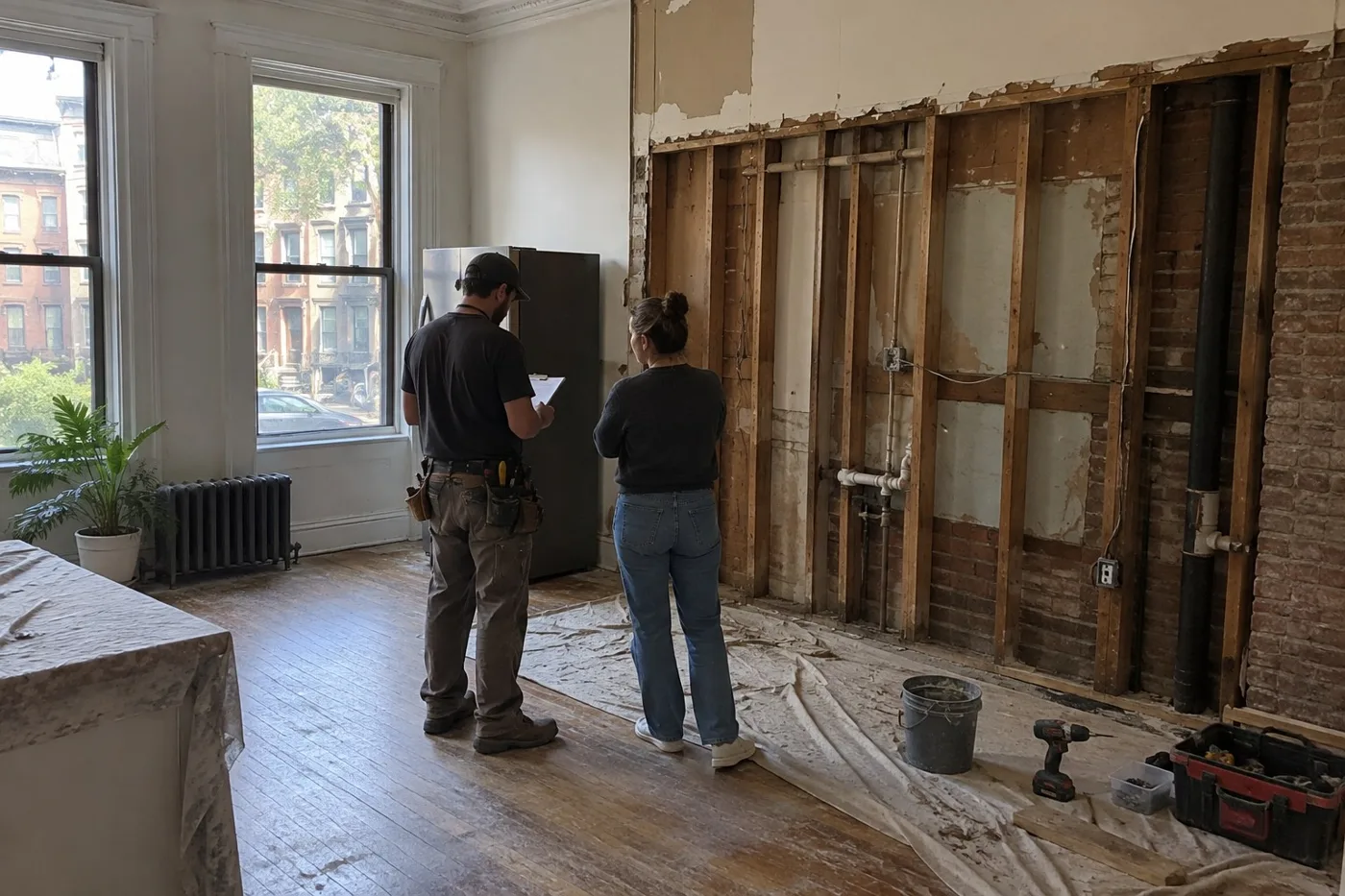
A construction change order is any written revision to the work, price, or schedule after the contract is signed, and in NYC renovations they are almost unavoidable. Old buildings hide surprises behind plaster, co-op boards ask for revisions, and owners change their minds once they see a room opened up. At Melani General Contractor, our licensed team has managed change orders on apartment, brownstone, and commercial projects across the five boroughs from our headquarters on 4th Avenue in Park Slope, Brooklyn. Below, we explain why they happen, what New York law expects, and how to keep them from derailing your budget.
Want a second set of eyes on a contract or a change order you just received? Our team is happy to walk you through it.
Key Takeaways
- A change order is a written amendment that adjusts the scope, price, or timeline of a signed renovation contract.
- New York General Business Law Section 771 requires home improvement contracts and all amendments to be in writing and signed by all parties.
- Most NYC change orders come from hidden conditions, owner-requested upgrades, design gaps, and building or agency requirements.
- A detailed scope of work, a realistic contingency, and a clear approval process are the best tools for limiting surprises.
- Rules and building requirements change, so confirm current requirements with your contractor, building management, and, where needed, an attorney.
What Is a Change Order in Construction?
A change order is a formal document that modifies the original agreement between an owner and a contractor. It records exactly what is being added, removed, or substituted, how the contract price changes, and whether the completion date moves. Once both parties sign it, it becomes part of the contract.
Think of the original contract as a snapshot of what everyone agreed to on day one. A change order updates that snapshot so the paperwork always matches the work happening on site.
Change Orders vs. Allowances
Allowances are budget placeholders for items not yet selected, such as tile or light fixtures. If you pick a fixture that costs more than the allowance, the difference is usually handled through a change order. Knowing which line items are allowances helps you predict where adjustments may show up.
Change Orders vs. Verbal Agreements
A quick "go ahead and move that outlet" in the hallway is not a change order. In New York, verbal side deals on home improvement work create real risk for both owner and contractor, which is why every change should be documented before the work is done.
What New York Law Requires for Renovation Change Orders
For residential home improvement work, New York General Business Law Section 771 states that every home improvement contract, and all amendments to it, must be evidenced by a writing signed by all parties. A change order is an amendment, so it falls under the same rule.
The NYC Department of Consumer and Worker Protection (DCWP), which licenses home improvement contractors in the city, recommends that, once a contract is signed, any changes or additional work be documented in written change orders signed by both parties.
What a Change Order Should Include
| Item | Why It Matters |
| Description of the change | Spells out exactly what is added, removed, or substituted so there is no debate later. |
| Reason for the change | Records whether it came from a hidden condition, an owner request, or a building requirement. |
| Price adjustment | Shows the added or credited amount and the new contract total. |
| Schedule impact | States whether the completion date moves and by how much. |
| Payment terms | Clarifies when the added amount is due, ideally tied to completed work. |
| Signatures and date | Both owner and contractor sign before the changed work begins. |
Permits and Plan Changes
If a change affects work filed with the NYC Department of Buildings, the paperwork may not stop at the contract. According to the DOB's guidance on Post Approval Amendments, the registered design professional (an architect or engineer) files an amendment when the approved scope of work needs to be updated. That can add review time, which is one reason permitted work deserves extra planning. Our overview of when you need a permit to renovate in NYC covers the basics.
The Most Common Reasons for Change Orders in NYC
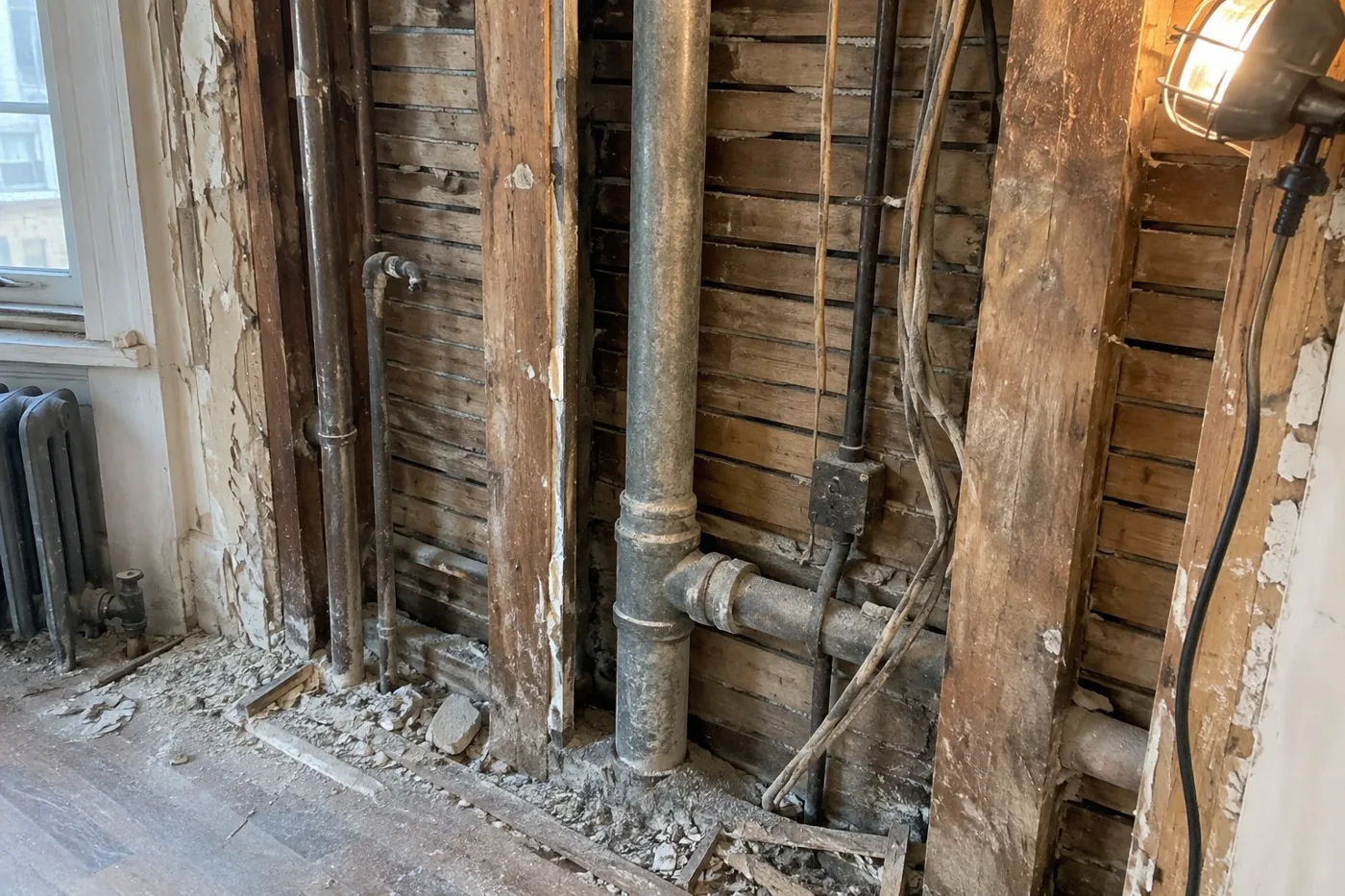
Every project is different, but the same handful of causes show up again and again in city renovations.
Hidden Conditions in Older Buildings
Much of NYC's housing stock is decades old. Once walls and floors are opened, crews can find deteriorated framing, outdated wiring, old galvanized pipes, or past work that was never done properly. These discoveries are especially common during a gut renovation, where nearly everything is exposed.
Owner-Requested Upgrades
Seeing a space take shape often inspires new ideas: a larger shower, extra recessed lights, built-in storage. These are legitimate changes, and they should be priced and approved like any other.
Design Gaps and Vague Scopes
When drawings or specifications leave questions unanswered, someone has to fill in the blanks during construction. A thin scope is one of the most preventable sources of change orders.
Building and Board Requirements
Co-op and condo buildings frequently have their own alteration agreements, work hours, and insurance requirements. Revisions requested by building management or the board can change materials, methods, or sequencing after work has started.
Have a project with an older building or a strict board? Talk with our team before you sign so the scope reflects real conditions.
How Change Orders Affect Your Budget and Schedule
A single change order rarely sinks a project. The trouble comes from several small changes stacking up, each with its own cost and its own ripple effect on the schedule.
| Type of Change | Typical Budget Effect | Typical Schedule Effect |
| Finish upgrade (tile, fixtures) | Price difference above the allowance | Possible delay if lead times are longer |
| Hidden condition repair | Added labor and materials | Often adds days while the fix is completed |
| Layout change after rough-in | Rework of completed work | Can push back inspections and finishes |
| Change to permitted work | Design and filing fees on top of construction cost | Additional review time before work resumes |
Timing matters too. A change made during planning may cost very little, while the same change after cabinets are installed can mean tearing out finished work. Our guide on how to budget for a home renovation in NYC explains how to set aside a contingency for exactly these situations.
How to Keep Construction Change Orders Under Control
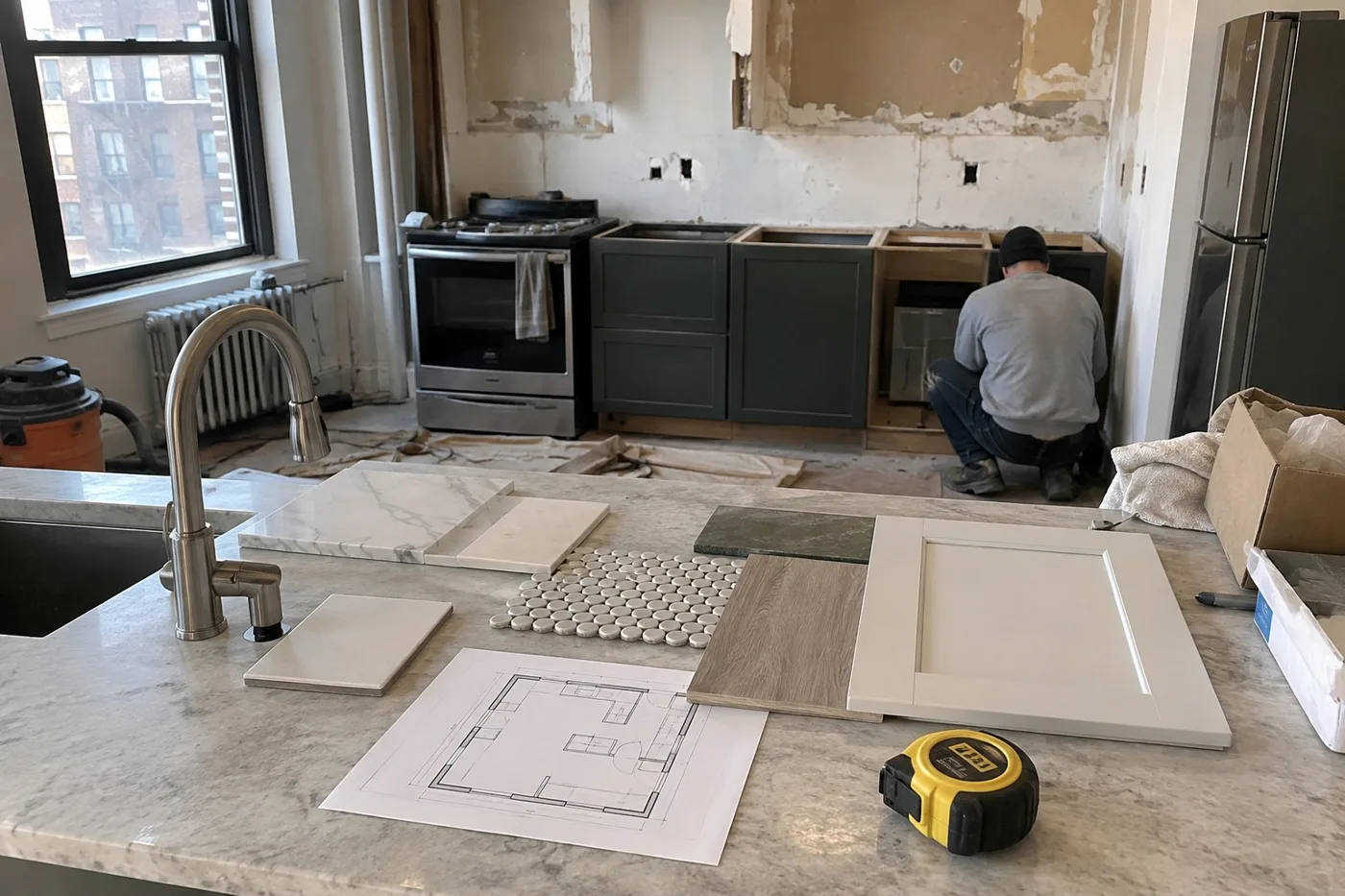
You cannot eliminate every change order, but you can make them smaller, fewer, and far less stressful.
Start With a Detailed Scope of Work
The clearer the scope, the fewer gaps there are to fill later. Specify materials, quantities, and responsibilities wherever possible. Our article on writing a scope of work for NYC apartment renovations walks through what to include.
Investigate Before Pricing
Exploratory openings, a review of building records, and early conversations with building management can reveal conditions before the contract is signed instead of halfway through demolition.
Make Selections Early
Choosing finishes, fixtures, and appliances before work begins reduces allowance overruns and keeps long lead times from stalling the job.
Agree on an Approval Process
Decide up front who can approve changes, how quickly decisions are needed, and that no changed work starts without a signed change order. That one rule prevents most billing disputes.
Hire a Contractor Who Documents Everything
A contractor who photographs conditions, explains options, and prices changes promptly makes the process transparent. Our tips on choosing a contractor in NYC cover the red flags to watch for.
Ready to plan a renovation with fewer surprises? Reach out and tell us about your project.
About Melani General Contractor
Melani General Contractor is a licensed and insured NYC general contractor (NYC DCWP Home Improvement Contractor License #2113624-DCA) headquartered at 343 4th Ave in Park Slope, Brooklyn. We handle apartment, brownstone, co-op, and commercial renovations across the five boroughs, with written scopes and documented change orders so owners always know where their project stands. We hold a 5.0 Google rating across 100+ reviews.
Frequently Asked Questions
Are change orders a sign of a bad contractor?
Not necessarily. Change orders are normal in NYC renovations, especially in older buildings with hidden conditions. The warning signs are vague original scopes, unexplained charges, or contractors who start changed work without written approval. A good contractor explains each change, prices it clearly, and gets your signature first.
Do change orders have to be in writing in New York?
Yes, for home improvement contracts. New York General Business Law Section 771 requires home improvement contracts and all amendments to be in writing and signed by all parties. NYC DCWP guidance also recommends written change orders signed by both the owner and contractor.
Can I refuse a change order?
You can decline an optional change, such as an upgrade. Changes caused by hidden conditions or code requirements are harder to skip, because the work may not pass inspection without them. Ask your contractor to explain the reason, show photos, and outline any alternatives before you decide.
How much contingency should I set aside for change orders?
There is no single right number, and it depends on the age of the building, how much will be opened up, and how complete your selections are. Older buildings and full gut renovations generally call for a larger cushion. Discuss a realistic contingency with your contractor during planning.
Do change orders affect my building permit?
Sometimes. If the change alters work already approved by the NYC Department of Buildings, your architect or engineer may need to file a Post Approval Amendment. Cosmetic changes usually do not require one. Your contractor and design professional can tell you which applies.
Who pays for a change order caused by a hidden condition?
That depends on your contract. Many contracts treat genuinely unforeseen conditions as the owner's responsibility, while errors in the contractor's own work are the contractor's to fix. Read how your contract handles unforeseen conditions before signing so there are no surprises.
Construction change orders do not have to wreck your budget or timeline. With a clear scope, early selections, and a written approval process, most changes become simple, documented decisions. If you are planning a renovation anywhere in NYC, call Melani General Contractor at (718) 283-4154 or reach out online. You can also visit our headquarters at 343 4th Ave in Park Slope, Brooklyn.
Disclaimer: The information in this article is provided for general informational purposes only and does not constitute legal advice. Laws, contract terms, and building policies vary and may change. Readers should review their contract and consult a licensed New York attorney regarding their specific situation.
Ready to Get Started with Melani General Contractor?
Whether you are planning a kitchen, a full apartment, or a brownstone, our team is ready to help. Call (718) 283-4154 to schedule a consultation.
Planning a Project in NYC?
Melani General Contractor is licensed, insured and based in Park Slope, working across all five boroughs.