
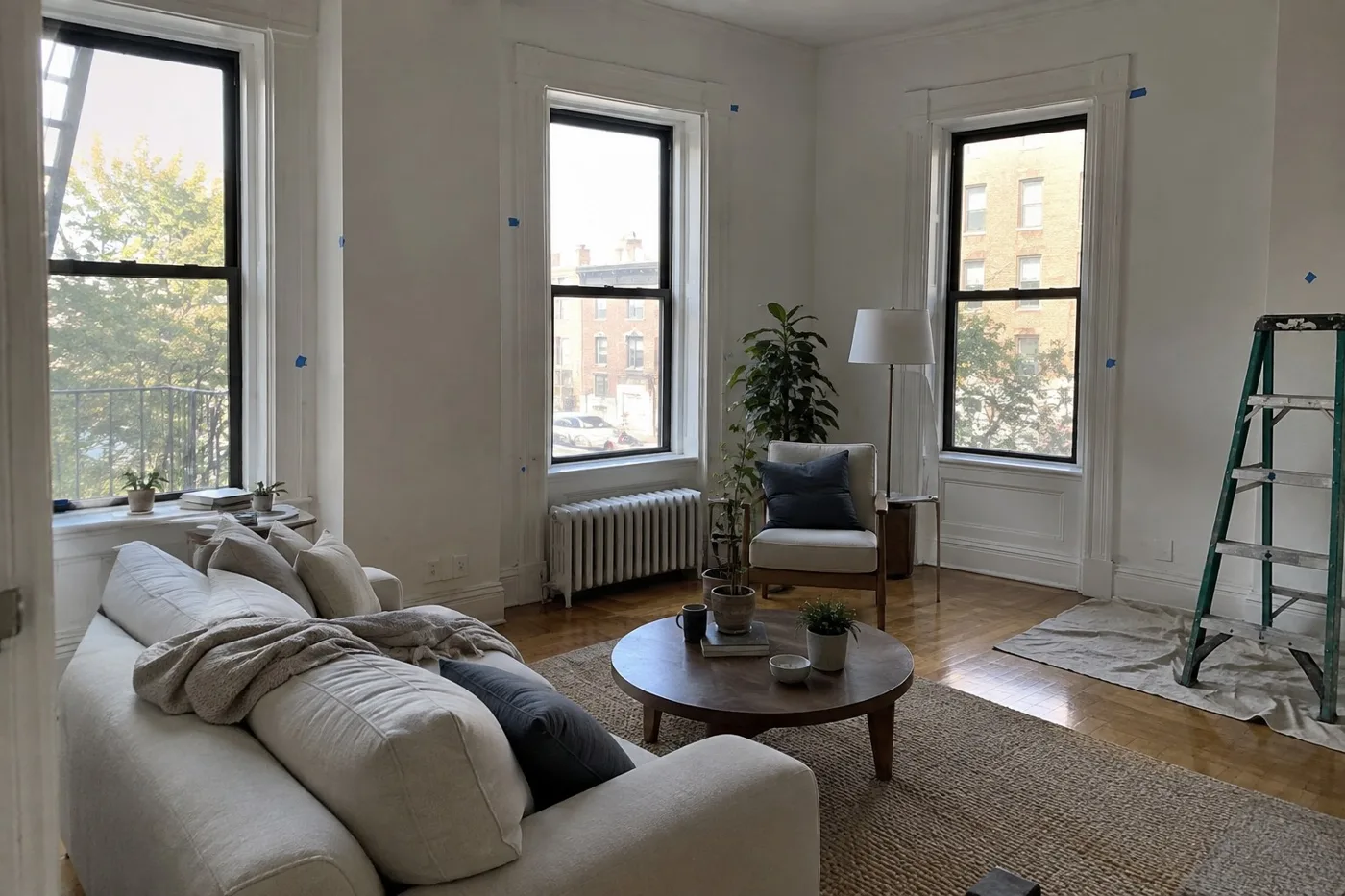
A construction punch list is the final list of items a contractor must finish or correct before a renovation is considered complete. In NYC, where projects often involve building management, co-op boards, and Department of Buildings inspections, a well-run punch list is what separates a clean finish from weeks of loose ends. At Melani General Contractor, our licensed team closes out apartment, brownstone, and commercial renovations across the five boroughs from our headquarters on 4th Avenue in Park Slope, Brooklyn. Here is what belongs on the list, how the walkthrough works, and who signs off at the end.
Getting close to the finish line on a project? Call our team with questions about closeout.
Key Takeaways
- A punch list documents the remaining unfinished or incorrect items near the end of a project, usually after the work is substantially complete.
- Common items include paint touch-ups, hardware adjustments, caulking, fixture issues, damaged finishes, and cleaning.
- The best punch lists are specific, photographed, assigned to a trade, and given a target completion date.
- For permitted work, DOB inspections and sign-offs are a separate closeout step from the punch list itself.
- Payment terms, building requirements, and permit rules vary by project, so confirm closeout steps with your contractor and building management.
What Is a Punch List in Construction?
A punch list is a written record of everything that still needs attention once the main work is finished. It is not a list of new work. It covers items in the original scope that are incomplete, damaged, or not built to the agreed specifications.
The term is widely used across the construction industry. Under the commonly used AIA A201 General Conditions, for example, the contractor prepares a comprehensive list of items to be completed or corrected when the work reaches substantial completion. Residential contracts in NYC are often simpler, but the idea is the same.
Substantial Completion vs. Final Completion
Substantial completion generally means the space can be used for its intended purpose, even if small items remain. Final completion means every punch list item is done and the project is fully closed out. Your contract should define both, because payments and warranties are often tied to these milestones.
Punch List vs. Change Order
A punch list fixes work that was already promised. A change order adds, removes, or alters work. If a walkthrough turns up a request that was never in the contract, such as an extra outlet, that belongs on a change order, not the punch list.
What Goes on a Construction Punch List
Punch lists vary by project, but most NYC renovations produce items in the same categories.
| Category | Common Punch List Items |
| Paint and walls | Touch-ups, drywall nail pops, uneven seams, paint on trim or hardware |
| Carpentry and doors | Doors that rub or do not latch, loose trim, cabinet doors out of alignment |
| Flooring | Scratches, gaps at transitions, missing thresholds or baseboard sections |
| Kitchens and baths | Missing caulk, grout touch-ups, loose fixtures, drawers that stick |
| Electrical and lighting | Missing cover plates, fixtures not working, switches mislabeled |
| Plumbing | Slow drains, minor drips, loose handles or escutcheons |
| Cleaning and protection | Construction dust, debris, protective film left on surfaces, common area cleanup |
Items Specific to NYC Buildings
Apartment and co-op projects often include building-related items, such as restoring protected hallway floors, repairing elevator pads, or cleaning common areas used during the job. Some buildings also require documents, such as updated insurance certificates or as-built drawings, before they close out the project. If you manage a building, our article on working with managing agents explains how those relationships shape a job.
How the Punch List Walkthrough Works
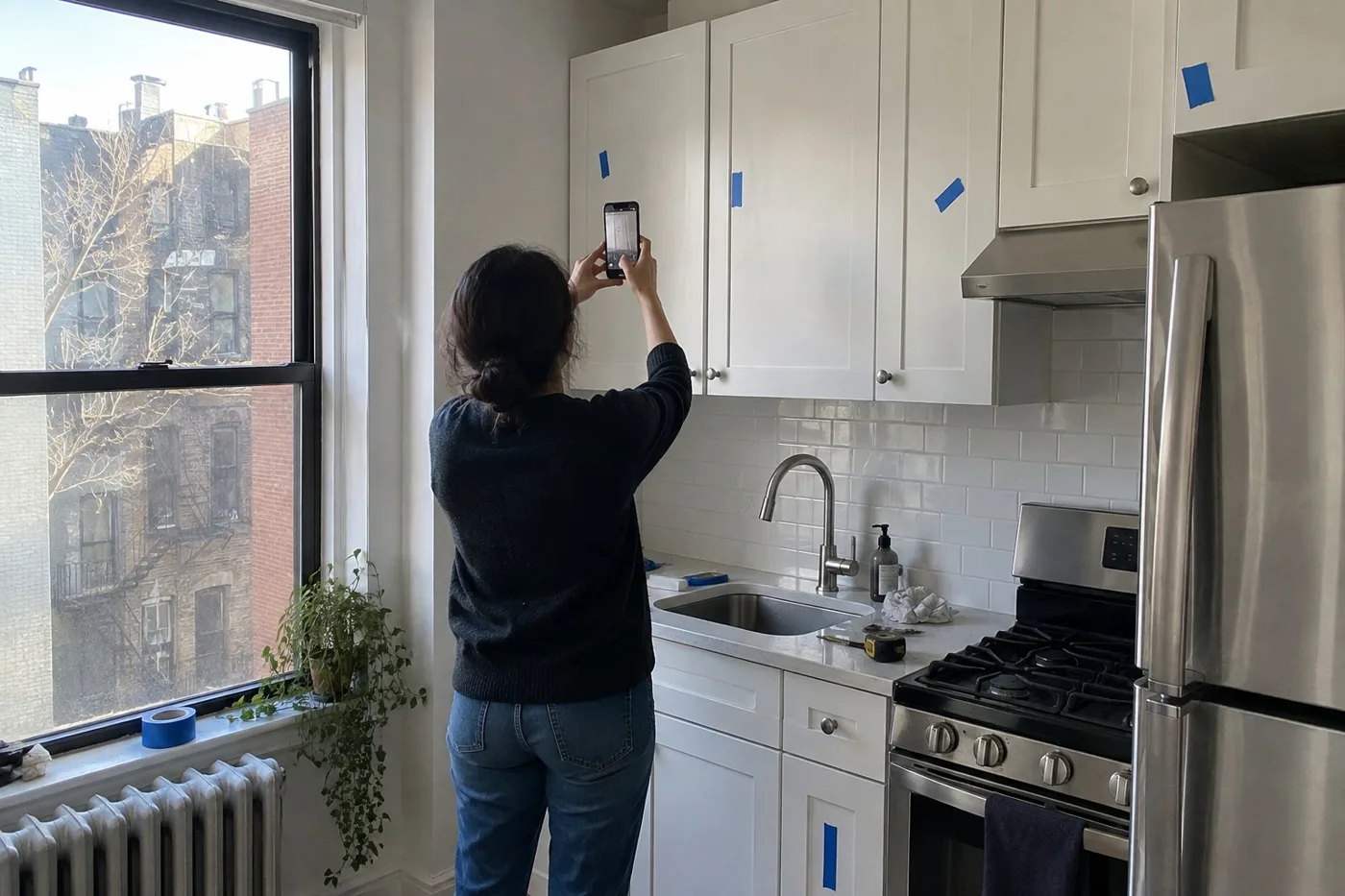
The walkthrough is where the list is created. A good one is organized, unhurried, and documented.
Step 1: Schedule the Walkthrough at the Right Time
Walk the space once the major work is done and the crew has cleaned up. Too early, and the list fills with items the crew was already planning to finish. Too late, and small issues can be buried under furniture.
Step 2: Go Room by Room
Move through the space in a consistent order and check every surface, door, fixture, and outlet. Use good lighting, because many paint and drywall flaws only show at an angle.
Step 3: Photograph and Describe Each Item
Write each item so anyone could find it, such as "primary bath, left vanity drawer sticks," and attach a photo. Vague notes like "fix bathroom" lead to disagreements.
Step 4: Assign Responsibility and Dates
Each item should have a trade responsible for it and a target completion date. Your general contractor coordinates the trades so you are not chasing individual subcontractors. Our explainer on contractor vs. subcontractor roles shows why that matters.
Want a contractor who runs closeout this way on every job? Talk with our team about your project.
Who Signs Off on a Renovation in NYC
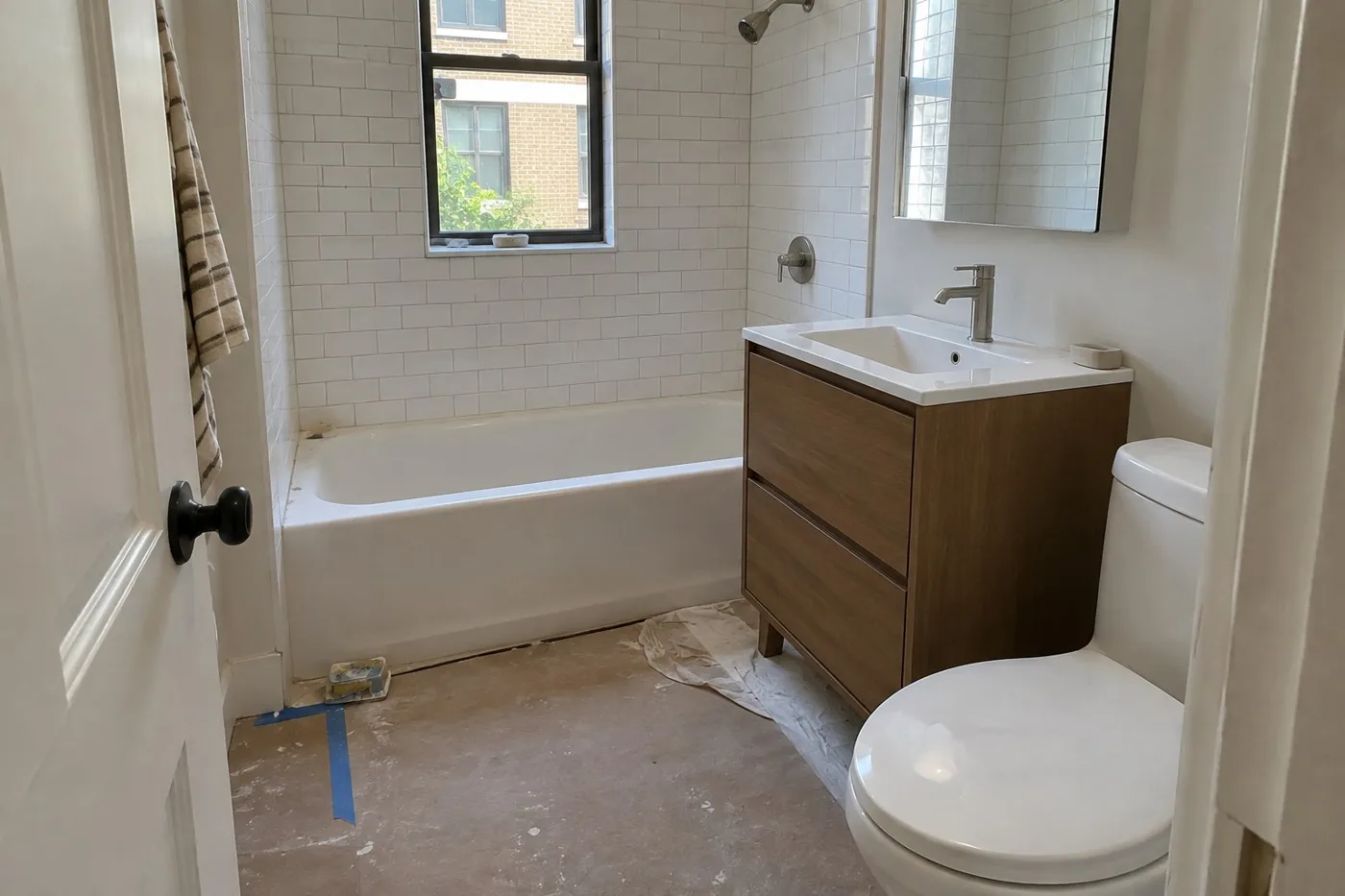
Closing a punch list and closing a permitted project are two different things. Owners in NYC often need both.
| Sign-Off | Who Handles It | What It Confirms |
| Punch list completion | Owner and contractor (and architect, if one is involved) | All listed items are finished to the contract standard |
| DOB inspections and sign-off | Contractor and design professional request inspections; DOB signs off | Permitted work meets code and the job can be closed out |
| Building or board closeout | Building management or the board, per the alteration agreement | Building requirements are met and any deposits can be addressed |
Department of Buildings Closeout
For work filed with the DOB, the DOB's project sign-off requirements list the inspections and documents needed before a job can be signed off. A finished punch list does not replace that step. Our post on why NYC DOB inspections fail covers common issues that delay sign-off.
Licensed Trade Sign-Offs
Electrical and plumbing work in NYC is filed and signed off by the licensed electricians and plumbers who perform it. Your general contractor coordinates those trades and keeps the schedule moving, but the licensed professionals handle their own filings.
Punch Lists, Final Payment, and Retainage
Many contracts hold back the final payment, or a portion of each payment called retainage, until the punch list is complete. That gives the contractor a clear incentive to finish every item and gives the owner leverage without withholding money unfairly.
Tie Final Payment to Clear Milestones
Your contract should say what triggers final payment, such as completion of the punch list, delivery of warranties and manuals, and any required sign-offs. Clear terms prevent the classic standoff where the owner will not pay until everything is done and the contractor will not return until they are paid.
Collect Closeout Documents
Before the final payment, ask for product warranties, appliance manuals, paint colors and finish specifications, and copies of any permit sign-offs. Keep these together for future repairs or a sale. Our guide on writing a scope of work shows how to put these expectations in writing from the start.
Avoid Common Punch List Mistakes
The most common mistakes are adding new work to the list, walking through too early, writing vague items, and releasing final payment before items are verified. A second short walkthrough to confirm completed items is a simple way to avoid all four.
Planning your next renovation and want a smooth finish? Reach out and tell us about the project.
About Melani General Contractor
Melani General Contractor is a licensed and insured NYC general contractor (NYC DCWP Home Improvement Contractor License #2113624-DCA) headquartered at 343 4th Ave in Park Slope, Brooklyn. We manage apartment renovations, brownstone, co-op, and commercial projects across the five boroughs, and we treat closeout as seriously as demolition day. We hold a 5.0 Google rating across 100+ reviews.
Frequently Asked Questions
When should a punch list be created?
Usually once the work is substantially complete, meaning the space is usable and the major work is done. Walking through earlier tends to produce a list of items the crew already planned to finish. Many contractors also do an internal pre-walk to catch issues before the owner sees the space.
Who creates the punch list?
It is often a joint effort. On larger projects using AIA contracts, the contractor prepares the list and the architect reviews it. On residential renovations, the owner and contractor typically walk the space together. What matters most is that the final list is written down and agreed on by both parties.
How long does it take to finish a punch list?
It depends on the number of items and whether any require ordered parts or a return visit from a specific trade. Simple touch-ups can wrap up quickly, while back-ordered fixtures can take longer. Ask your contractor for a target date for each item when the list is created.
Can I add new items to the punch list later?
You can note issues that appear after the walkthrough, especially defects in the contracted work. New requests that were never part of the original scope should be handled with a change order instead. Keeping the two separate avoids disputes over cost and timing.
Is a punch list the same as a DOB sign-off?
No. The punch list confirms the work meets the contract standard. A DOB sign-off confirms that permitted work passed the required inspections and the job can be closed with the Department of Buildings. Permitted projects in NYC typically need both before they are truly finished.
Should I hold back payment until the punch list is done?
Many contracts tie the final payment or retainage to punch list completion, which is reasonable when it is written into the agreement. Withholding money that the contract does not allow can create disputes. Review your payment terms before the walkthrough so expectations are clear on both sides.
A clear construction punch list is the last step between a nearly finished space and a project you can truly enjoy. With specific items, photos, assigned responsibilities, and the right sign-offs, closeout can be quick and painless. If you are planning a renovation in NYC, call Melani General Contractor at (718) 283-4154 or reach out online. You can also visit our headquarters at 343 4th Ave in Park Slope, Brooklyn.
Ready to Get Started with Melani General Contractor?
From the first walkthrough to the final sign-off, our team is here to help. Call (718) 283-4154 to schedule a consultation.
Planning a Project in NYC?
Melani General Contractor is licensed, insured and based in Park Slope, working across all five boroughs.